Jamie Yates
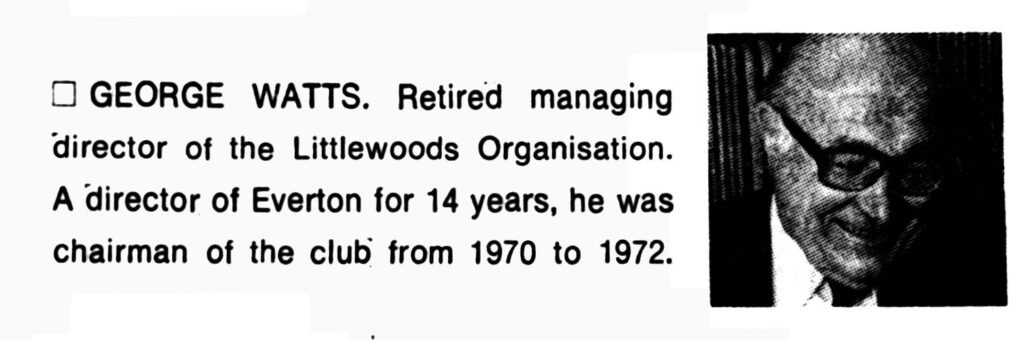
George Watts was born into abject poverty in the East End of London, but a combination of hard work and keen intellect saw him forge a highly successful career in business. This trajectory ultimately resulted in his election to the board of directors at Everton Football Club, a role he fulfilled with pride for twenty years. He also oversaw a difficult two-year period as chairman of the club from 1970 to 1972, as Harry Catterick’s great dynasty of the 1960s disintegrated in the blink of an eye.
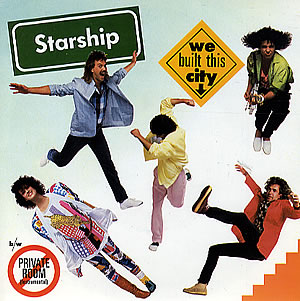
This is the story of George Watts’ remarkable life, touching on his military service during the Second World War, and dedication to excellence as family man, friend, executive at the Littlewoods Organisation and director at Goodison Park in the truest Nil Satis Nisi Optimum tradition. Look out also for previously undocumented Everton connections via George to the Merseybeat era, the legendary Woodstock music festival, why We Built This City by the band Starship was always destined to be an Everton anthem, and even the Harry Potter films!
Early Years
George Albert Saxon Watts was born on Sunday, 7 July 1912, at 43 Gopsall Street in Shoreditch, East London. He was baptised at St. Peter’s Church in De Beauvoir Square, West Hackney, on 28 July 1912.


Two hundred miles north, Everton Football Club had just achieved a second-place finish in the First Division at the end of the 1911/12 season, thanks in no small part to the nineteen goals scored in twenty-two games by teenage striker Tommy Browell, a £1,650 signing from Hull City in January.
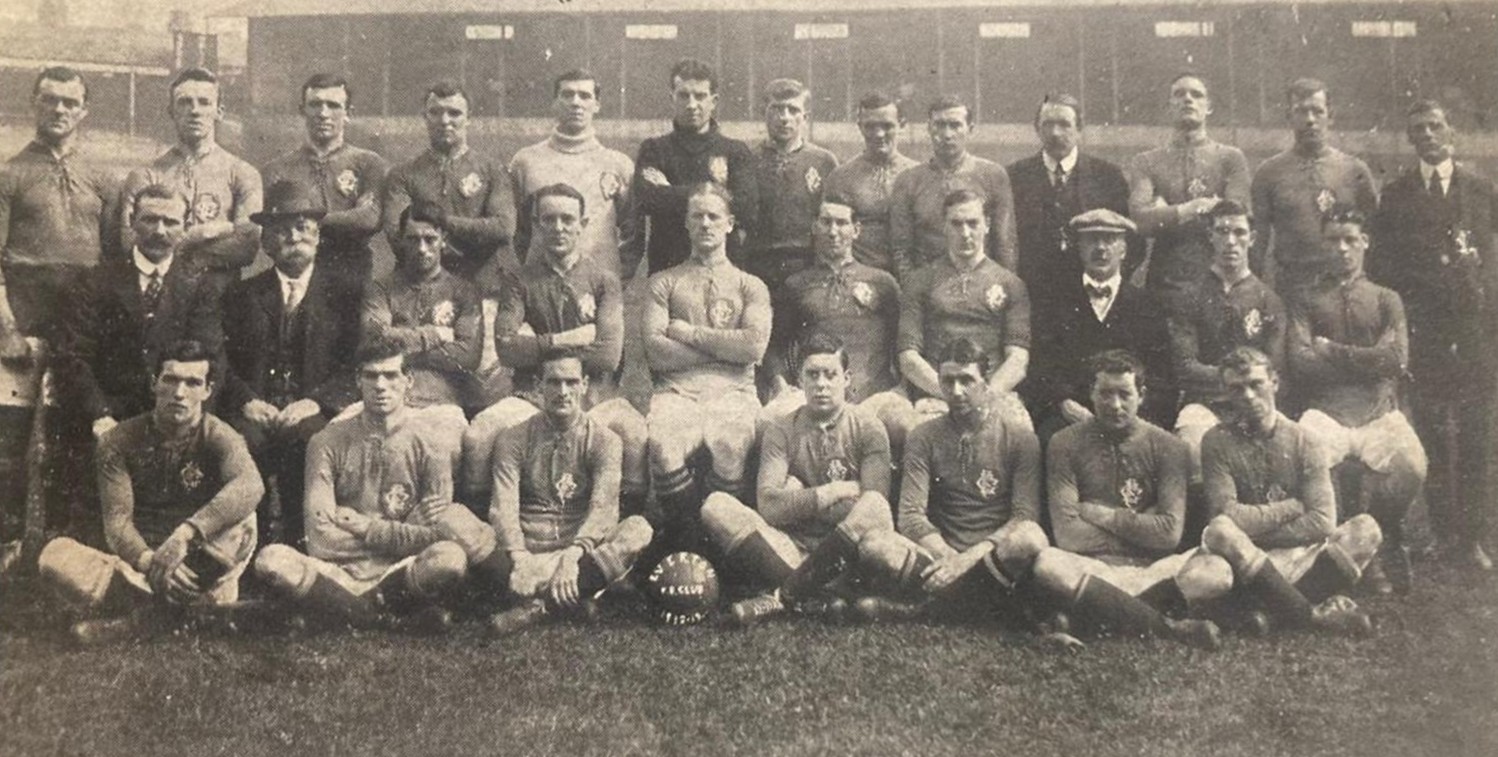
An infant George Watts grew up in the Bethnal Green area of London through the First World War. In later years he spoke of walking the cobbled streets without any shoes, and of a life very much of ‘making do.’ Any connection to the glamour of top-flight soccer on Merseyside, or anywhere else for that matter, would have seemed a million miles away.
George’s parents were Edward Watts, a French polisher, and Elizabeth Cowan, both Hoxton-born and raised. They married on 13 September 1908 at the Church of St. Simon Zelotes, Bethnal Green.
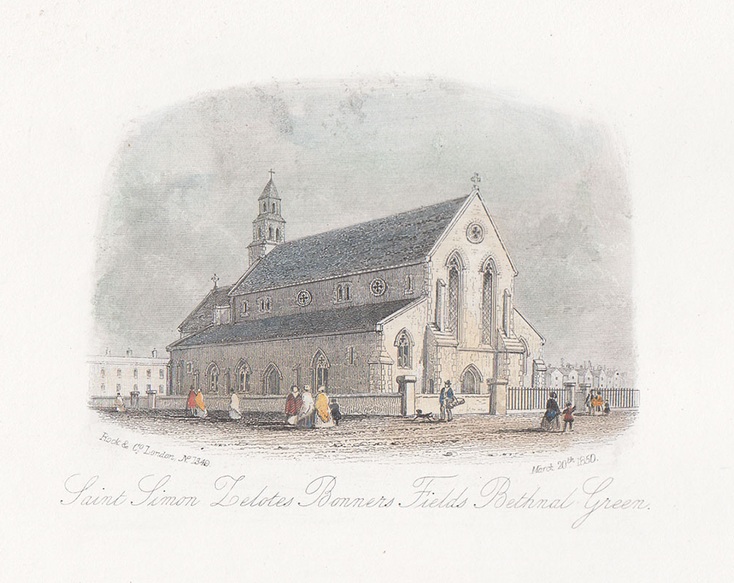
The couple had two sons prior to the outbreak of the First World War. Edward Saxon (Ted) Watts, born in June 1909, followed by George. A third son, Henry Albert (Harry) Watts, arrived in February 1916.
At the outbreak of the First World War, a thirty-year-old Edward Watts senior joined the 3/10th Battalion of the Duke of Cambridge’s Own (Middlesex) Regiment as a Private, regimental number 292892. Three years later, in July 1917, Edward’s battalion was deployed to the Third Battle of Ypres (also known as the Battle of Passchendaele) and it is almost certain that this was where he was killed in action, on 4 October 1917. Edward was buried in a Commonwealth War Grave at Cement House Cemetery in West-Vlaanderen, Belgium. Back home in London, by now approaching her mid-thirties, Elizabeth Watts found herself a widow with three young boys to raise on her own.
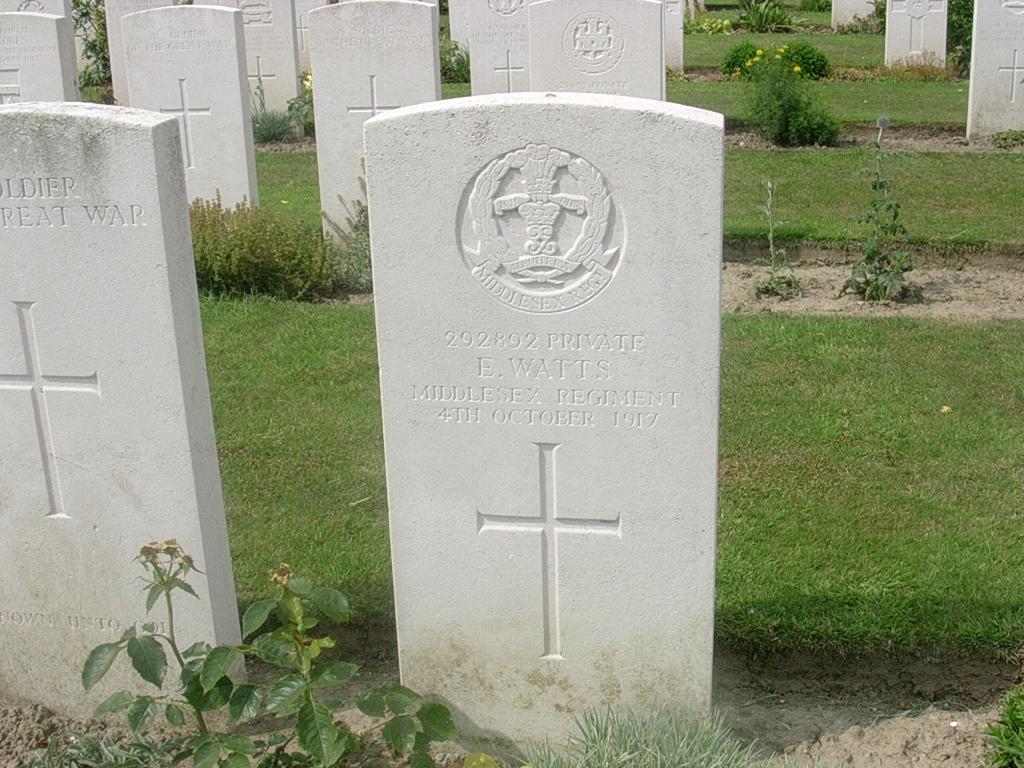
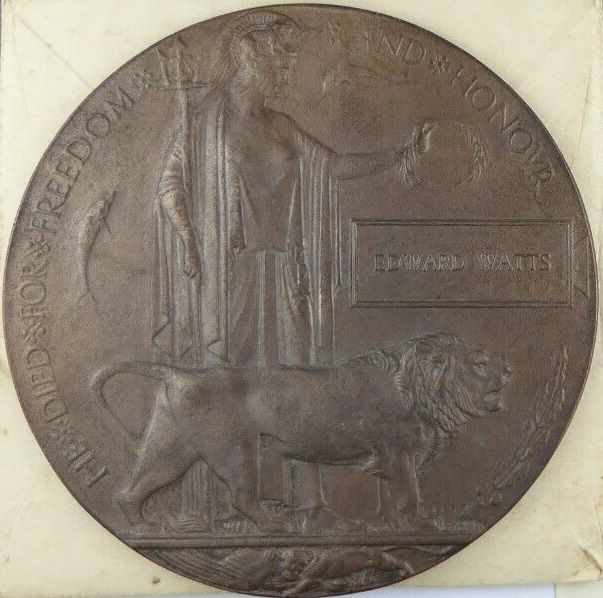
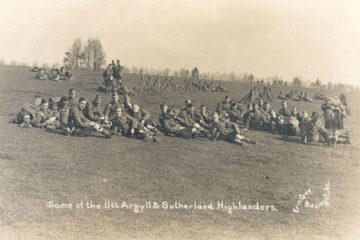
(picture found online, source to be confirmed)
In spring 1920, Elizabeth married James Frank (Jim) Poet, a bacon trader. Born in 1897 in Peckham, Jim was around fifteen years Elizabeth’s junior. Only partially sighted as a child, he was educated at the Blind School on Warwick Road in Hackney, and spent time in and out of the workhouse in Camberwell throughout his youth. Jim and Elizabeth had two daughters, Lilian and Violet – half-sisters to George Watts and his brothers – in 1921 and 1922 respectively. The family lived for several years at 20 Moravian Street, a five-minute walk from Bethnal Green underground station.
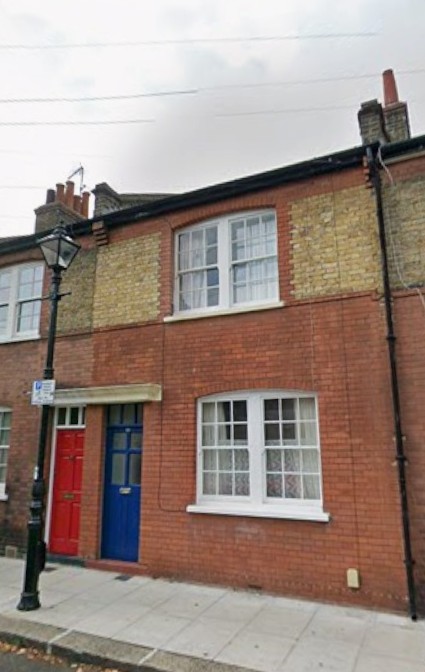
Elizabeth lived a long life, and died in Bethnal Green in 1962, aged around eighty-one. Jim Poet passed away in Poplar in 1972, aged seventy-four.
Only five years old when his father died, George was a bright, intelligent boy. He worked hard and won a scholarship to a good school, which gave him a fighting chance of making a better life for himself. He seized the opportunity with both hands and never looked back.
Into Adulthood
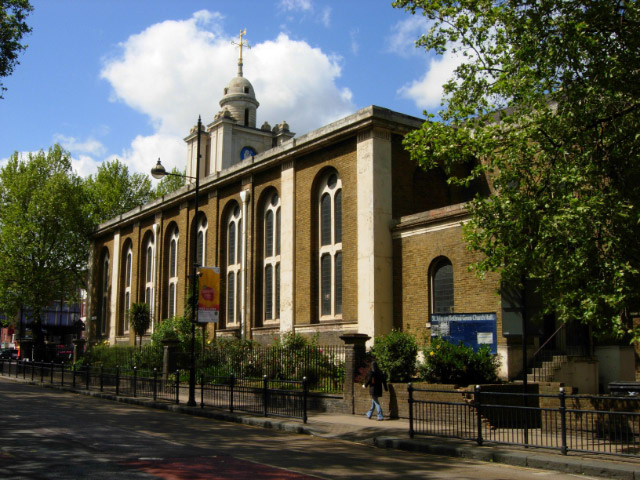
On 14 July 1934, a week after his twenty-second birthday, George married Willesden-born Doris Lillian Ottley (who went by the name Dorothy, or Dot), at the Church of St. John on Bethnal Green. At the time of the wedding, George was working as a clerk, and both he and Dot listed their current address as 20 Moravian Street. The couple soon moved to a semi-detached house on Melbourne Avenue in Ealing, West London.
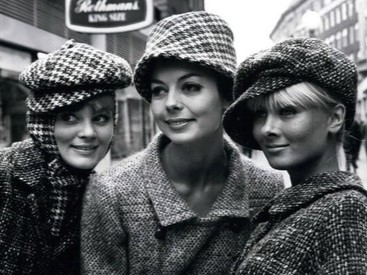
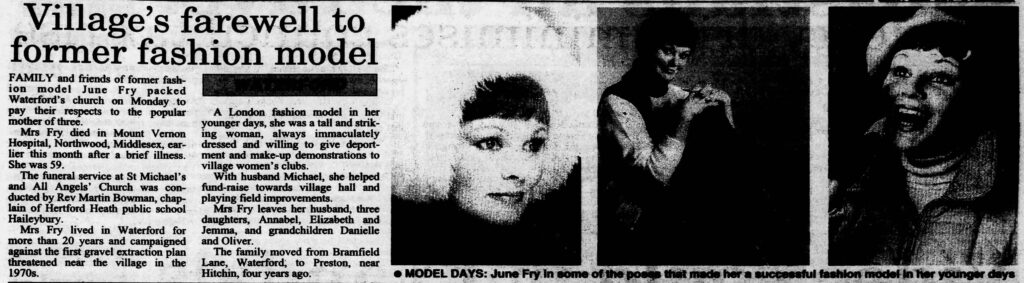
A year later, George served as best man when his older brother Ted married Beatrice Maud West at the Church of St. James the Less in Bethnal Green on 16 July 1935. The following year, Ted and Beatrice had a daughter, June, who went on to become a successful fashion model in the 1950s and 1960s, working with renowned designers including Irene Galitzine and Countess Zoltowska of Paris.
Both of George’s half-sisters, Lilian and Violet, were married, but I have not been able to trace whether they had any children. I have not found anything substantial on the later life of George’s younger brother Harry.
In 1938, Dot gave birth to a son, Derek, who sadly died shortly afterwards, leaving the couple devastated. In the years thereafter George bought Dot a jet-black Scottish terrier, which she named Blackie. She had two more ‘Scottie’ dogs over the years, both of whom she also named Blackie.
Prior to the Second World War, George worked at Unilever, a company formed in 1930 by the merger of Dutch margarine production giant Margarine Unie, with the renowned British soap manufacturer Lever Brothers. This may have been George Watts’ first connection to Merseyside, where in 1888 William Lever built a model village to house his company’s workers at Port Sunlight on the Wirral Peninsula where George would later settle.
Unilever was the largest company in Britain at the time George Watts was in their employment. George and Dot had moved to 116 Draycott Avenue, two and a half miles north of Wembley Stadium, by the time the 1939 Register for England and Wales was taken (an impromptu census recorded at the outbreak of the Second World War), and the upwardly mobile George Watts’ occupation was listed as departmental manager, just as his career was interrupted by the outbreak of hostilities in Europe.
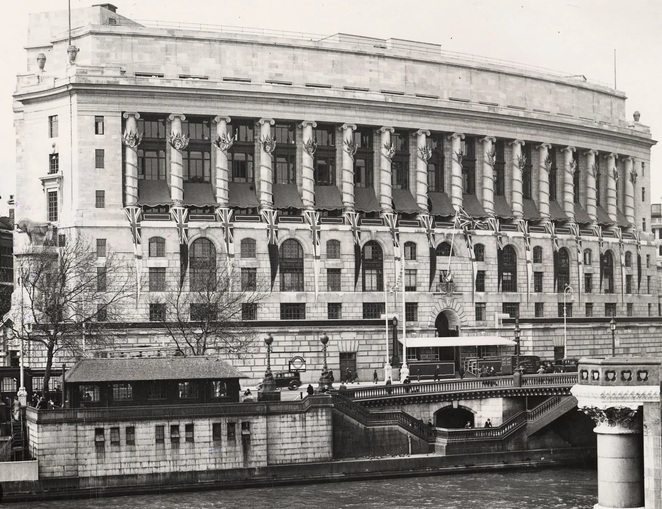
George joined the Royal Air Force VolunteerReserve on 3 August 1940 as an Acting Pilot Officer and rose to the rank of Acting Wing Commander. The London Gazette of 4 June 1946 revealed that George Watts would be made an Officer of the Order of the British Empire (OBE). He was awarded the honour on 13 June 1946. George signed the Official Secrets Act during the war and never spoke in detail about his military service, although his daughter Jacky was able to share the following details:
‘Good luck finding any specifics about why my father received the OBE (a great honour in those days), I do think that the document I have framed on my wall, from June 1946, is significant. The only thing I was ever told was that he had a lot to do with the planning and execution of the saving of Paris. He had signed the Official Secrets Act and never broke that; just like my birth mother, Alys, who had been a member of the Women’s Auxillary Air Force (WAAF) during the war and never ever spoke of what she did, although I did learn that she had sailed to Egypt with thousands of other WAAFs to combat Rommel, ‘the Desert Fox.‘ “
John Moores Calling!
After the war, George and Dot settled in Kenton, Middlesex, and adopted two (biologically unrelated) children, a son Alan, and daughter Jacky.
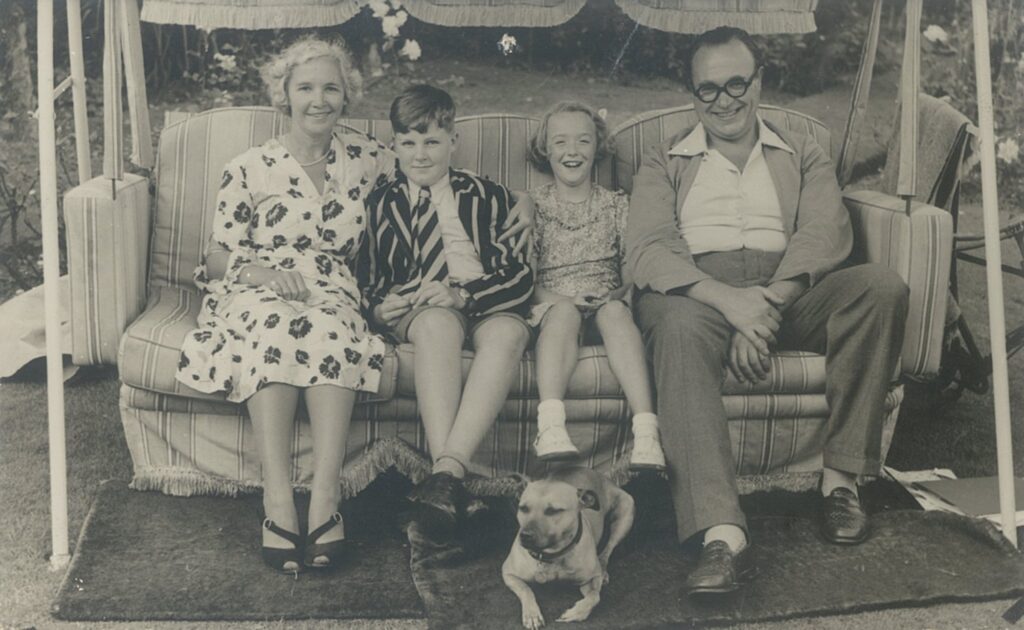
George Watts joined the Littlewoods retail and football pools empire in 1945, travelling to the United States on business trips with John Moores junior on multiple occasions. He was appointed as an executive director of Littlewoods in 1952, and made weekly business trips to Liverpool by train throughout the early 1950s. The Watts family moved to Merseyside in 1956, to Abbotsford, a detached house with a large garden, at 3 Monks Way in West Kirby. George continued as a director on board at Littlewoods and in 1962 and rose to the position of managing director.
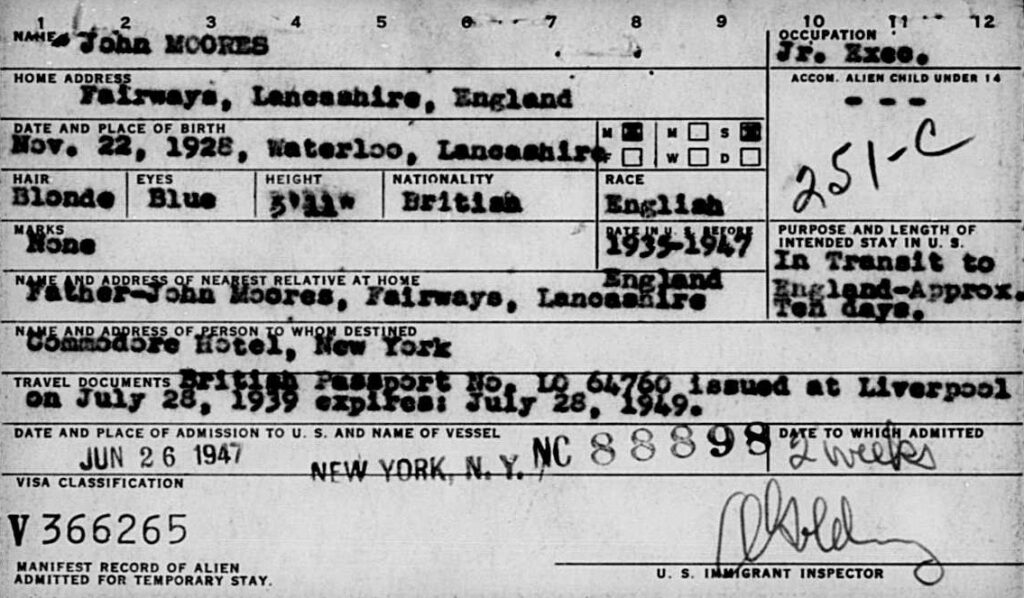
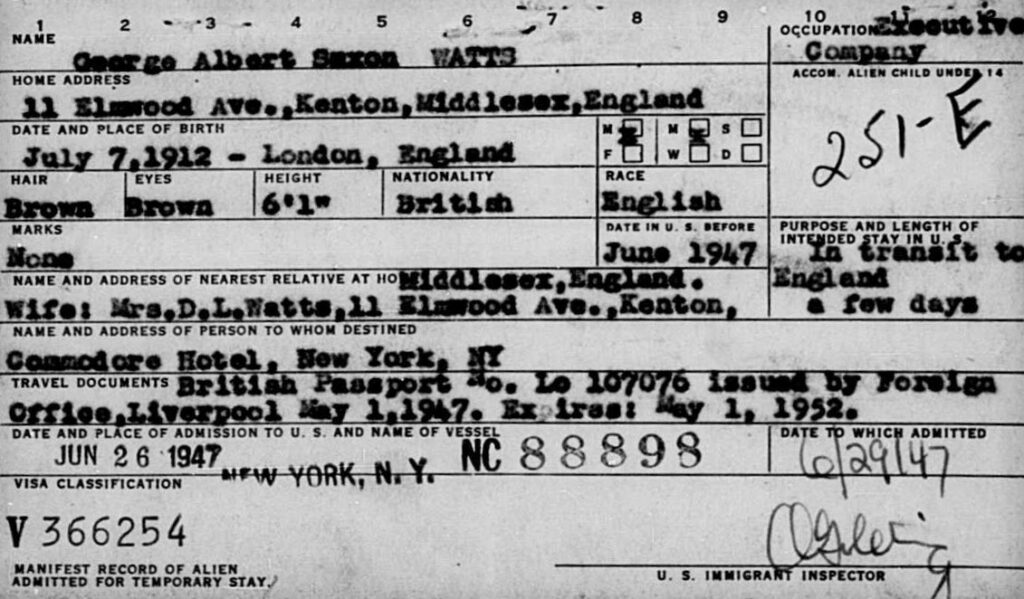
for John Moores junior and George Watts, 26 June 1947
The Liverpool Echo of 30 May 1967 provided an overview of George Watts’ career to date:
‘A fellow of the Chartered Institute of Secretaries, Mr. Watts, worked for Unilever until 1940, when he joined the RAF Volunteer Reserve and reached the rank of Wing Commander. He was awarded the OBE in 1946. On leaving the RAFVR in 1945 he joined Littlewoods and now controls the operations of the Chain Store Division.’
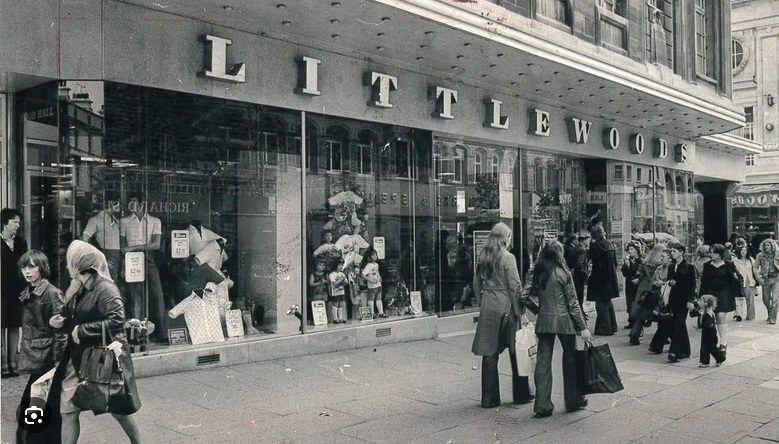
A Liverpool Echo article published a decade later, on 15 July 1977, upon the occasion of George Watts’ retirement from his role at Littlewoods, detailed several additional areas in which he was active throughout his career:
‘[Watts] served on various trade bodies and Government committees, including the Multiple Shops’ Federation, of which he was Chairman for three years and latterly Vice-President, and the Rail Consortium, of which he was Deputy Chairman, and also the Mail Order Traders’ Association, of which he was also a director.’
A trusted aide to Littlewoods founder John Moores senior, it came as little surprise when George Watts was elected to the board of directors at Everton Football Club in July 1967, after the abrupt resignation and subsequent death a few weeks later of long-serving director and club chairman Edward Holland Hughes. A former president of the Liverpool Law Society and secretary of the Pools Promoters’ Association, Hughes was a senior partner at Liverpool law firm North Kirk and Company, and provided legal services to the Littlewoods organisation for many years.
Upon joining the Everton Board, the by-now fifty-five-year-old George Watts stated:
‘Apart from playing centre forward, I will do all I can to further the interests of Everton.’
Over the next three years George and his fellow board members could justifiably congratulate themselves on a job well done.
Harry Catterick’s team, having won the FA Cup in 1966, played some truly dazzling football during the 1967/68 and 1968/69 seasons, with the new midfield triumvirate of Colin Harvey, Howard Kendall, and World Cup winner Alan Ball wowing all who saw them play.
The departure of crowd hero Alex Young and a narrow defeat in the 1968 FA Cup Final was a huge disappointment for supporters, but all was forgiven two years later when Catterick’s vibrant young team stormed to the First Division title, finishing nine points clear of Don Revie’s Leeds United. The stage was set for Everton to dominate English football for years to come.
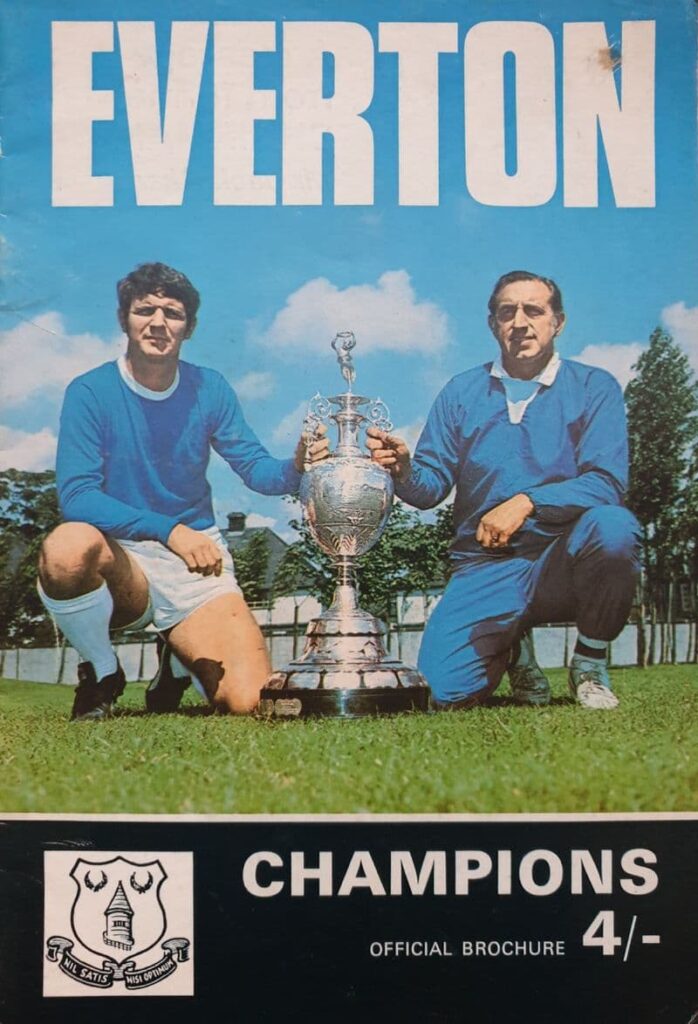
Chairman… After the Lord Mayor’s Show
Following Everton’s glorious 1969/70 League Championship success, George Watts was elected as the club’s new chairman in August 1970, succeeding Jack Sharp junior, son of the legendary Everton winger of the early 1900s who had also served a lengthy term as a club director.
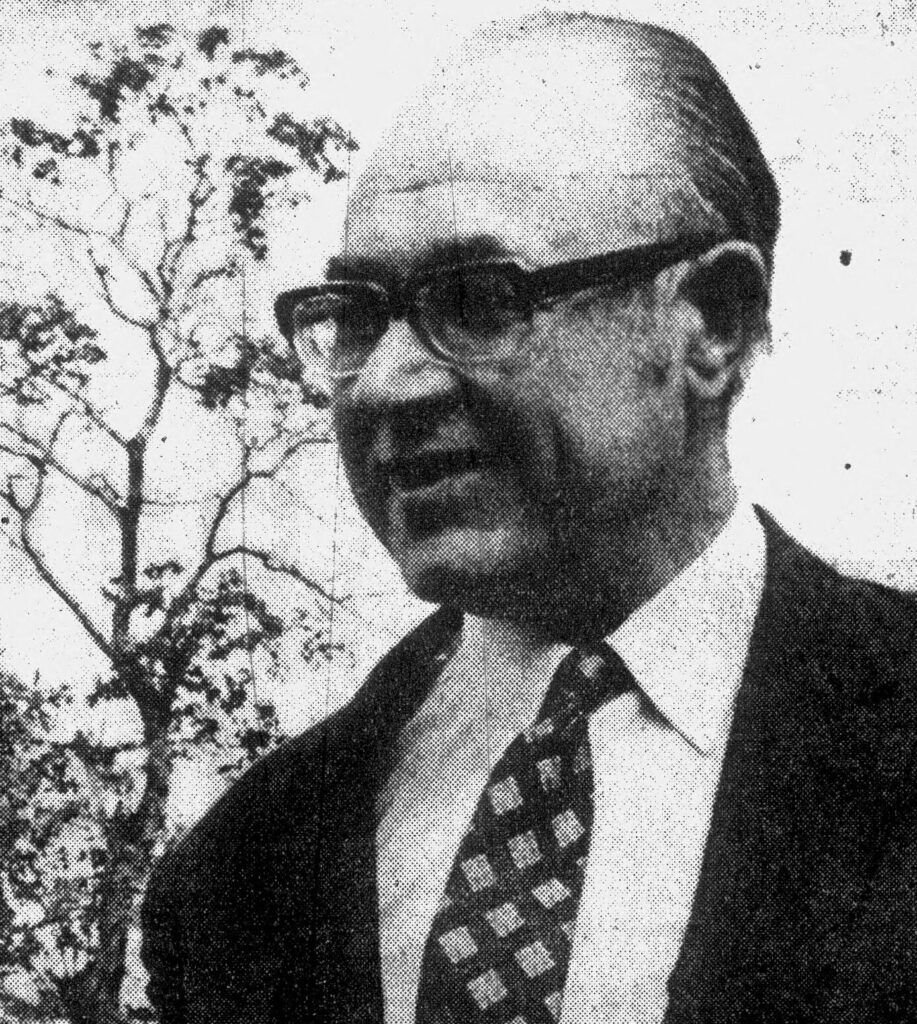
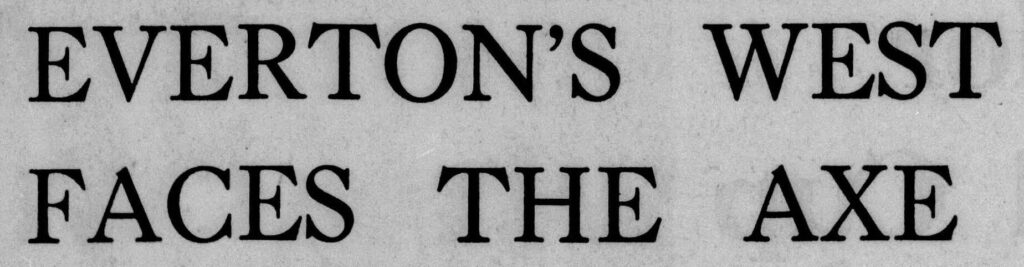
During 1970/71, George Watts’ first season as Chairman, Everton’s England contingent returned from the gruelling heat and rigours of playing at altitude in the World Cup in Mexico. Long-serving goalkeeper Gordon West suffered a dip in form, and fell out with supporters, to the extent that he was rested completely from first team action and never regained a permanent starting position.
At the same time, manager Harry Catterick’s Midas touch appeared to have deserted him. Despite reaching the quarter-finals of the European Cup, losing in controversial circumstances to Greek club Panathinaikos, and the semi-final of the FA Cup against old rivals Liverpool, – in a match which saw Brian Labone carried off with a serious injury – a fourteenth place finish in the First Division was an embarrassment for a club of Everton’s stature at the time. Notably, during the season George Watts stood in unison with the ultra-cautious Catterick, in opposing plans for more live televised broadcasts of English football
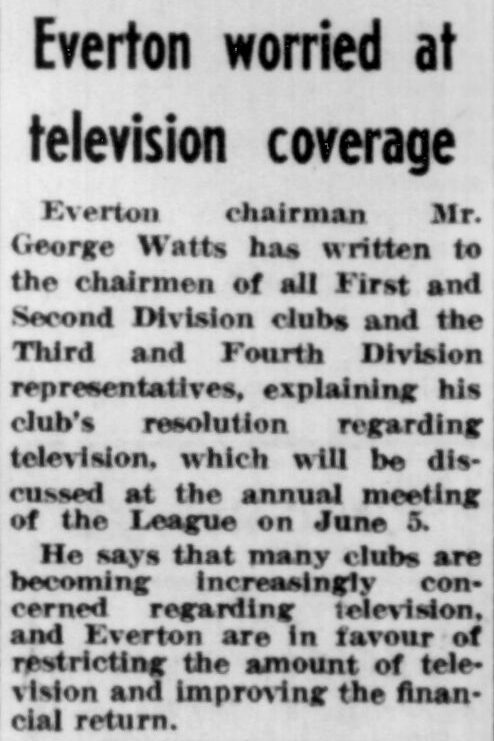
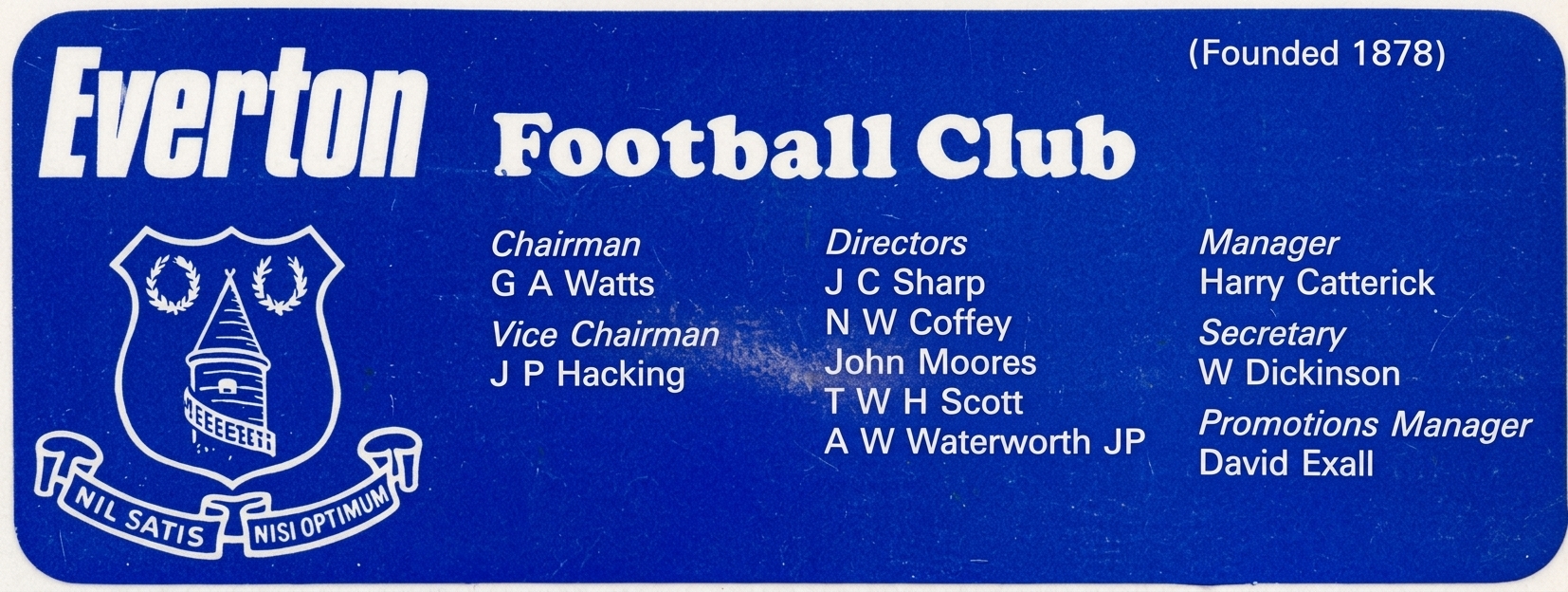
In a double-page spread in the programme for the opening home match of the 1971/72 season against Sheffield United on 21 August 1971, George Watts sent the following message to supporters:
‘All at Goodison Park hope that this will be a season of re-establishment… a year when an outstanding group of players will re-produce their known form and once again make an impact in the country’s major competitions.
There was much to regret at the end of last season when the elimination from the European Cup and the FA Cup in the space of three days, threw a shattering cloud of disappointment over the team. The players were understandably upset at being so near – the quarter-final in Europe and the semi-final in the Cup – and then failing when at least one of the game’s most prized trophies was so close to hand.
Our manager, Mr. Harry Catterick, and the Board of Directors recognised that the lads had given all they had in the two Cup competitions, and perhaps it was understandable that a reaction should set in afterwards.
BUT THAT IS ALL BEHIND US NOW.
I can assure you that the main concern is with our marvellous supporters. Throughout last season there was great encouragement for the team, and it says much for your loyalty that the average League attendance was the fourth highest in the country. I shall long remember the evening match against West Ham United which came only a few days after the end of the Cup trail at Old Trafford. The reception given to the Blues that night was an occasion I shall treasure for years to come.
The Cup games also bring back vivid recollections of wonderful support. It really was exciting to see so many people prepared to devote time, and a considerable amount of money, to support Everton in our European Cup matches in Germany and Greece. With so much for which to repay the Goodison regulars, everybody on the staff is resolved to put things right and make this a happy season.
You know, when all things are considered, Everton Football Club belongs to the supporters – not to the Directors, the Management or the Players. WITHOUT LOYAL FOLLOWERS, THERE WOULD BE NO EVERTON. Although I regard myself as ‘captain’ of the Directors, one is always conscious of responsibility to the club and the supporters. Directors come and go, but the club goes on.
With this in mind, the Board never relaxes its efforts to improve on the complex, and, I believe, outstanding organisation of the club. We have a set-up second to none, right from the football club itself and through to the Development Association with their marvellous band of agents who contribute so much to the well-being of Everton.
When one assesses the financial accumulated wealth in recent years, I think the supporters appreciate the need to balance out spending between the team and the ground. The Goodison Stand is now a monument to our planning for the future, but I hope that people do not accept the nonsense talked about us caring only for the spectator who wants a seat. We are always aware of the needs of the standing supporter, and, to this end, extensive alterations have taken place during the summer to provide extra safety measures which will both assist in crowd control and improve your comfort.
I noted from correspondence in last year’s ‘Blue Mail’ columns that various supporters had voiced the need for completing covering the Gwladys Street End. This, I can assure you, is now in the forefront of our plans for future development. To continue this theme of looking after supporters’ requirements, we have now formed an Everton Travellers’ Club, which grants members the opportunity to travel on our train, ‘The Blue Streak,’ to all away matches.
Whilst it is easy to disown the trouble-makers who blight our national game, we must accept the fact that their reason for travelling to all parts of the country is not unconnected with the clubs they support. We recognise the Everton fans already possess a wonderful reputation for good conduct, but we are determined to ensure this is maintained. A very successful first trip was organised last Saturday to Ipswich Town, when all travellers were required to sign the pledge of good behaviour. We believe that this scheme is an excellent way of keeping supporters entertained and together for each other’s entertainment.
After all, ‘togetherness”’is the secret of any successful organisation – and that is always our aim at Goodison Park.
George A. Watts.’
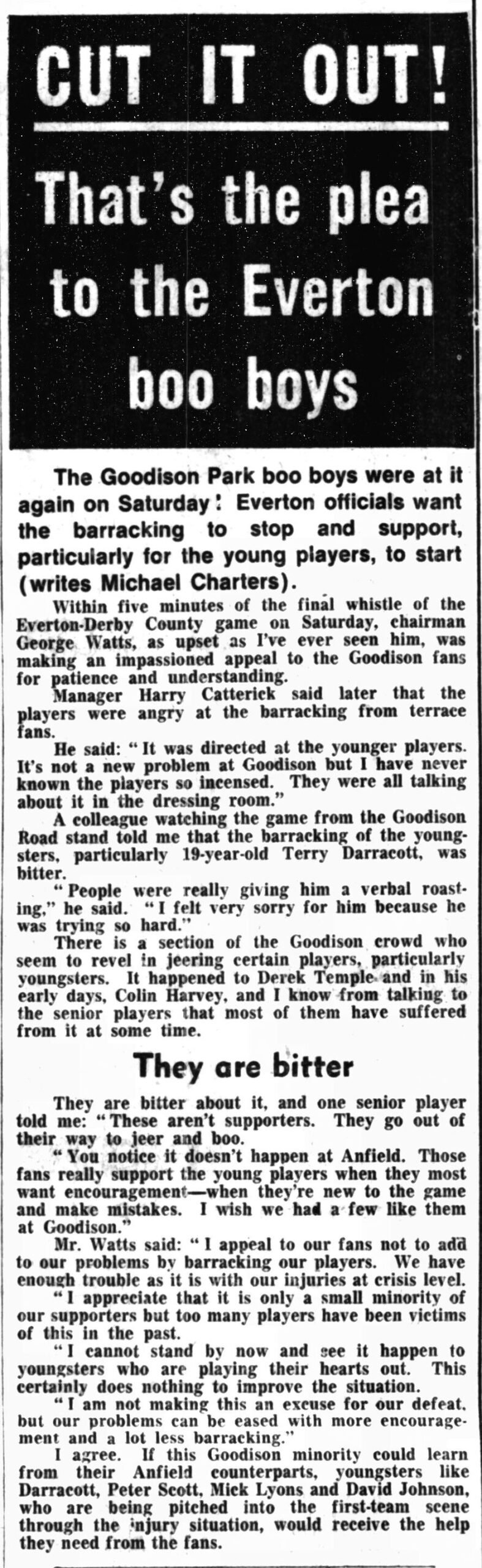
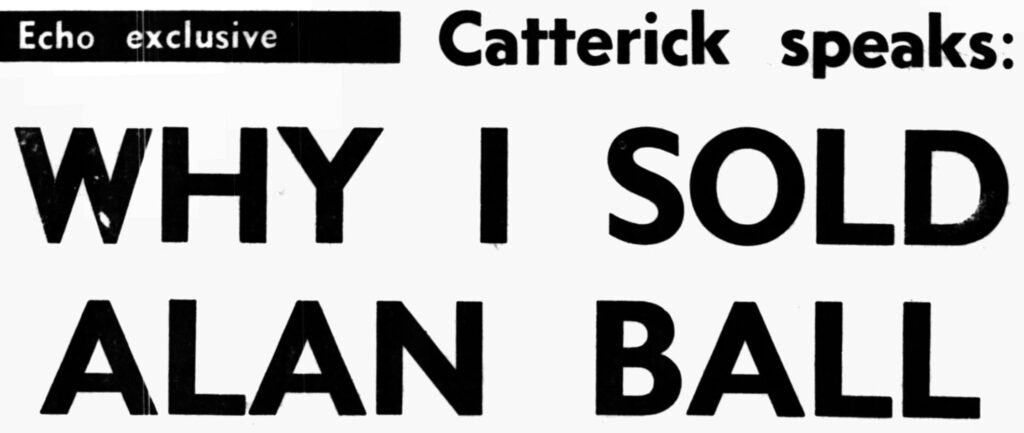
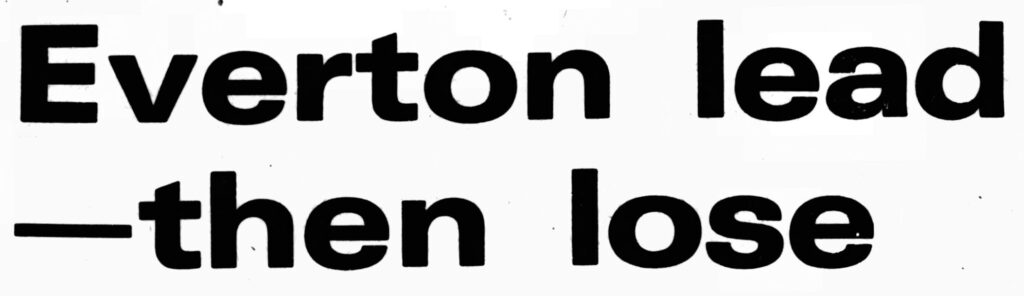
Unfortunately for all concerned, Everton’s form dipped alarmingly. Star players Joe Royle and Colin Harvey struggled with long-term injuries, club legend Brian Labone was forced into premature retirement at the age of thirty-two, and replacement signings proved incapable of matching their predecessors’ quality, nor winning over the Goodison Park crowd. To top things off, Christmas 1971 was ruined early for most Evertonians as they saw their hero and team captain Alan Ball sold to reigning champions Arsenal for a British record fee.
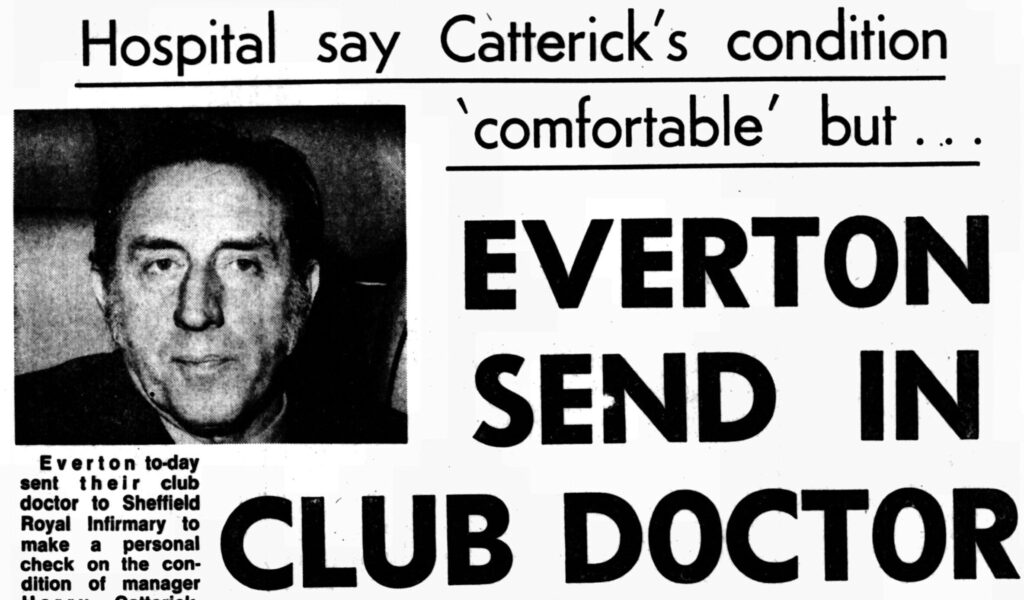
During what must have been an incredibly fraught period, George Watts attempted to manage the situation with positive statements but also publicly criticised the club’s supporters in the local press for barracking young players (including Terry Darracott) during first team matches. Manager Catterick’s health faltered significantly, and he was hospitalised in Sheffield in January 1972, after suffering a heart attack on his way home from watching the League Cup semi-final replay between Stoke City and West Ham United at Hillsborough.
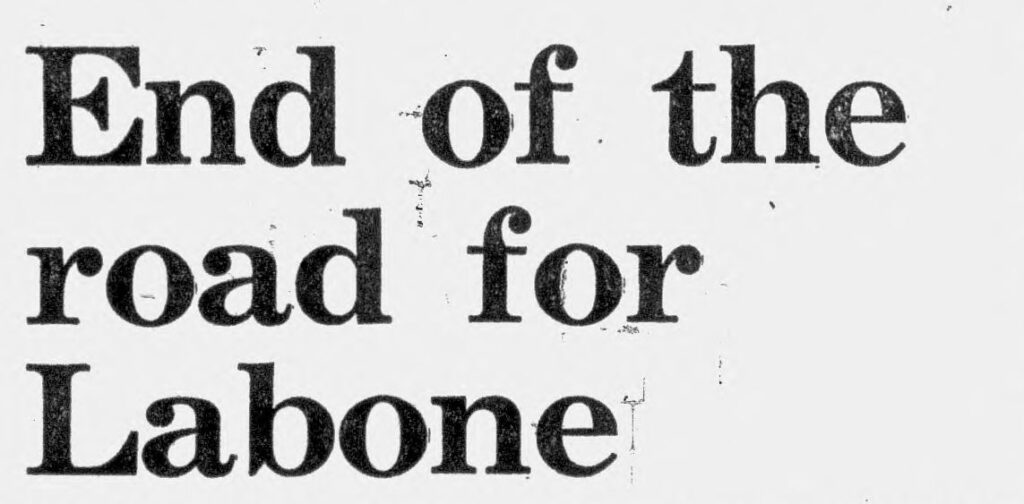
The headlines did not make happy reading throughout a season of turmoil:
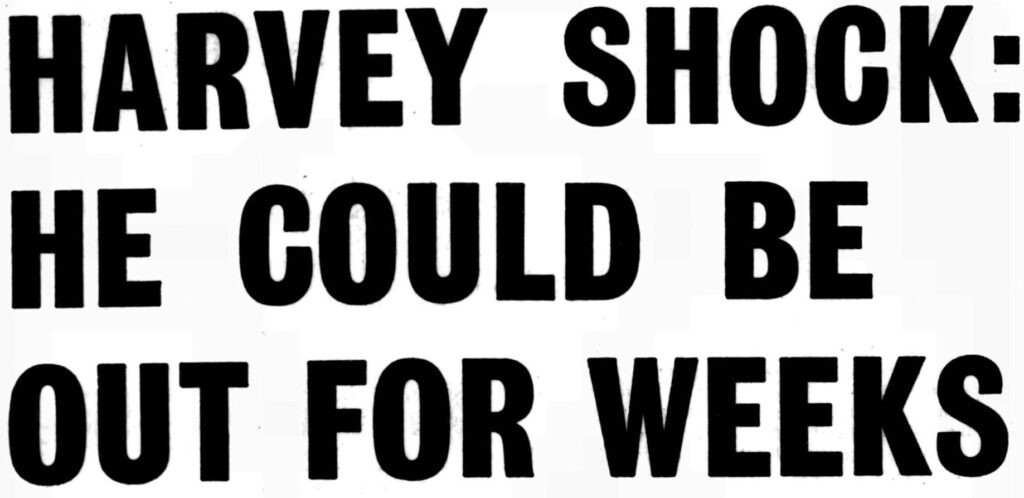
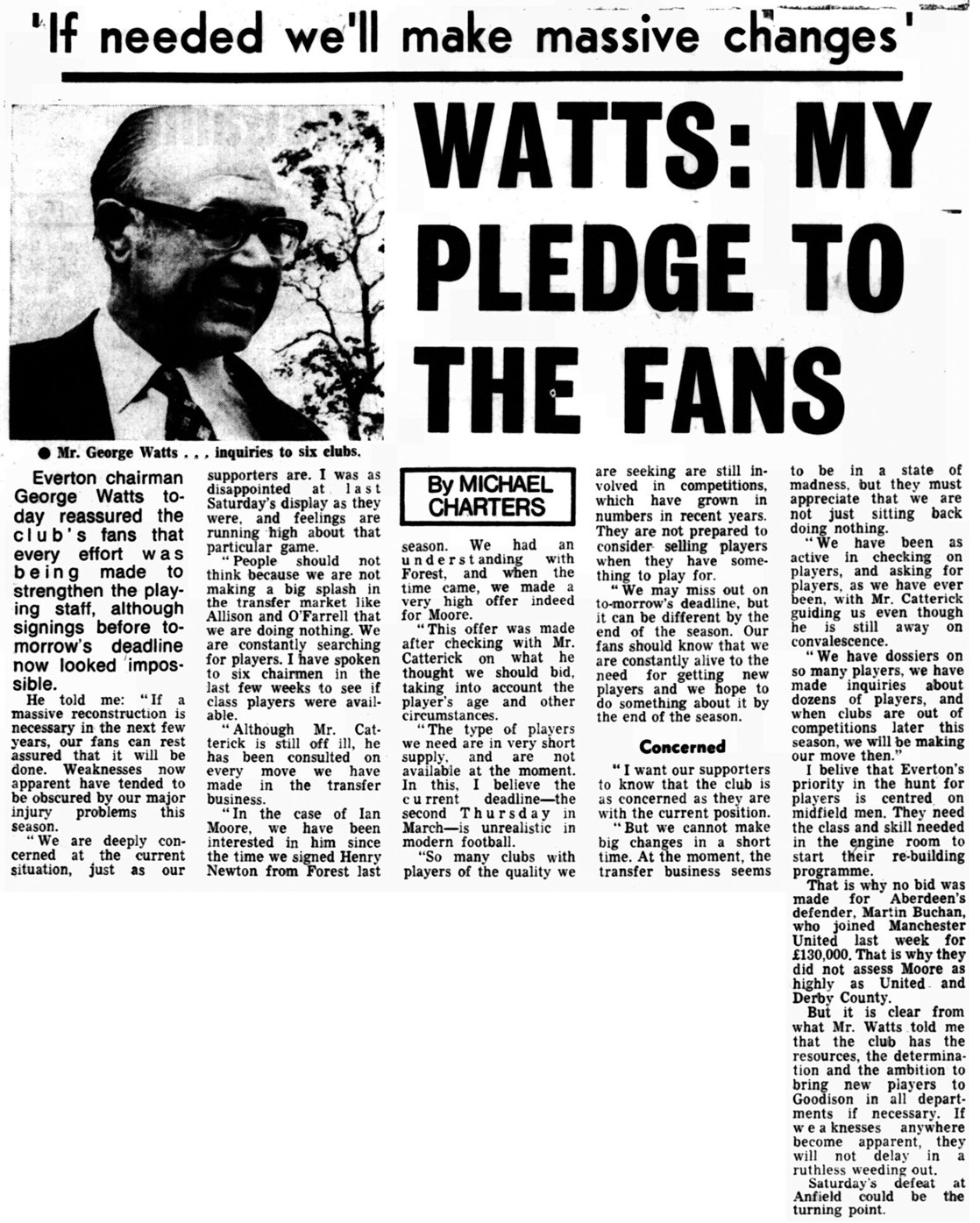
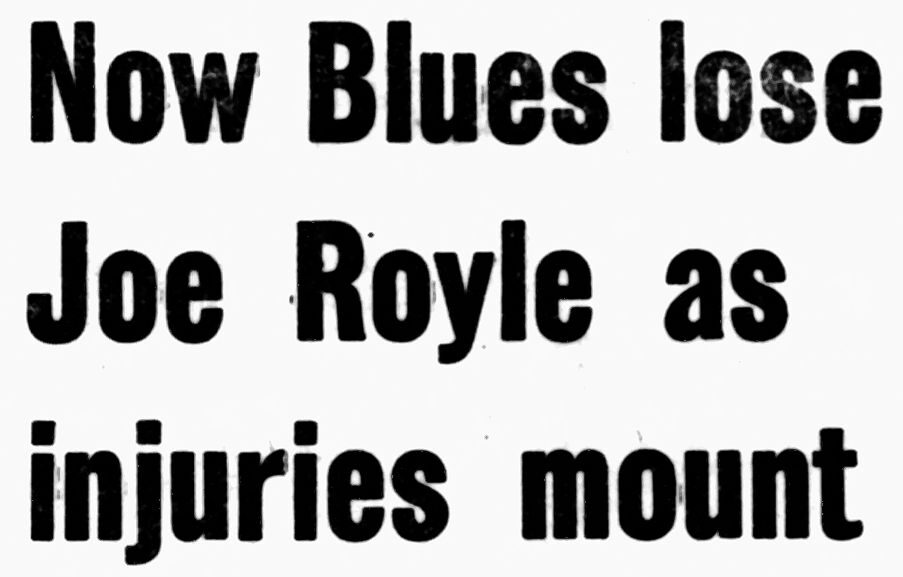
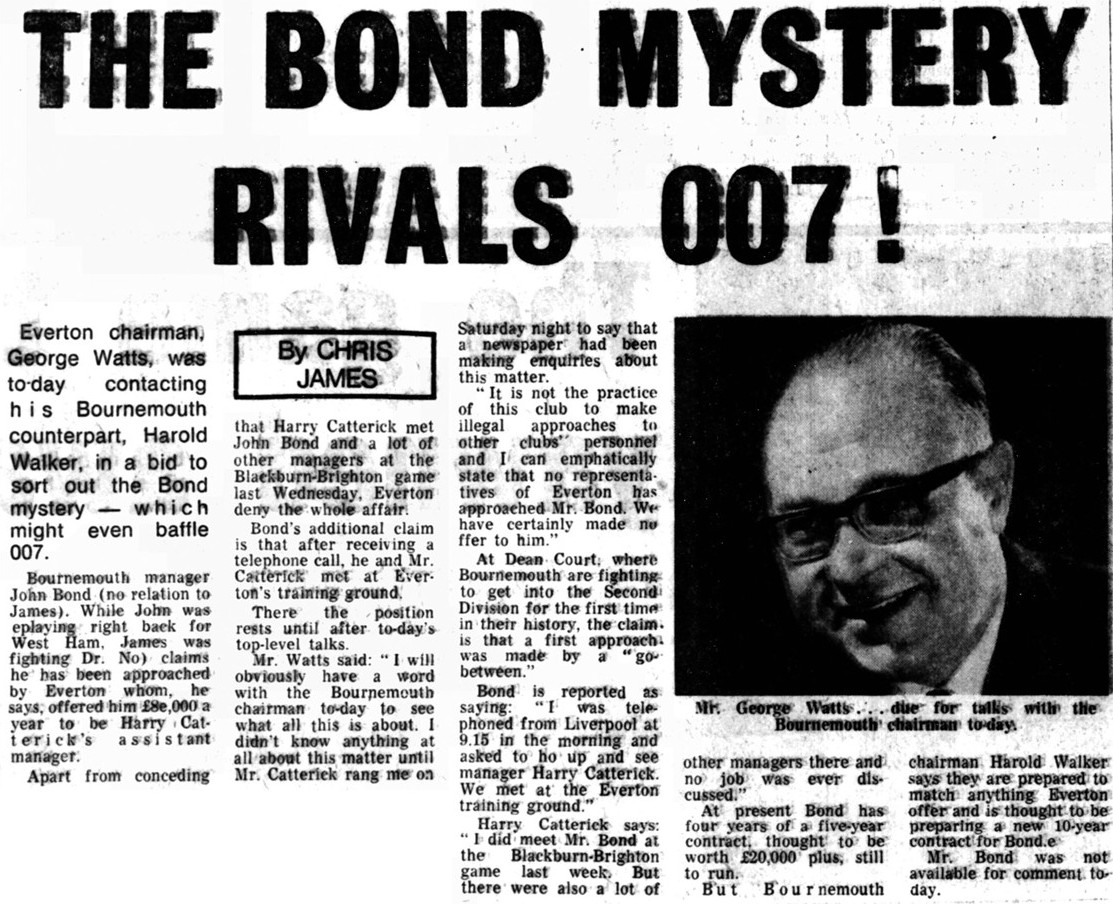
Reports of an illegal approach to Bournemouth manager John Bond proved an embarrassment to
George Watts and the Everton board of directors; Liverpool Echo, 17 April 1972
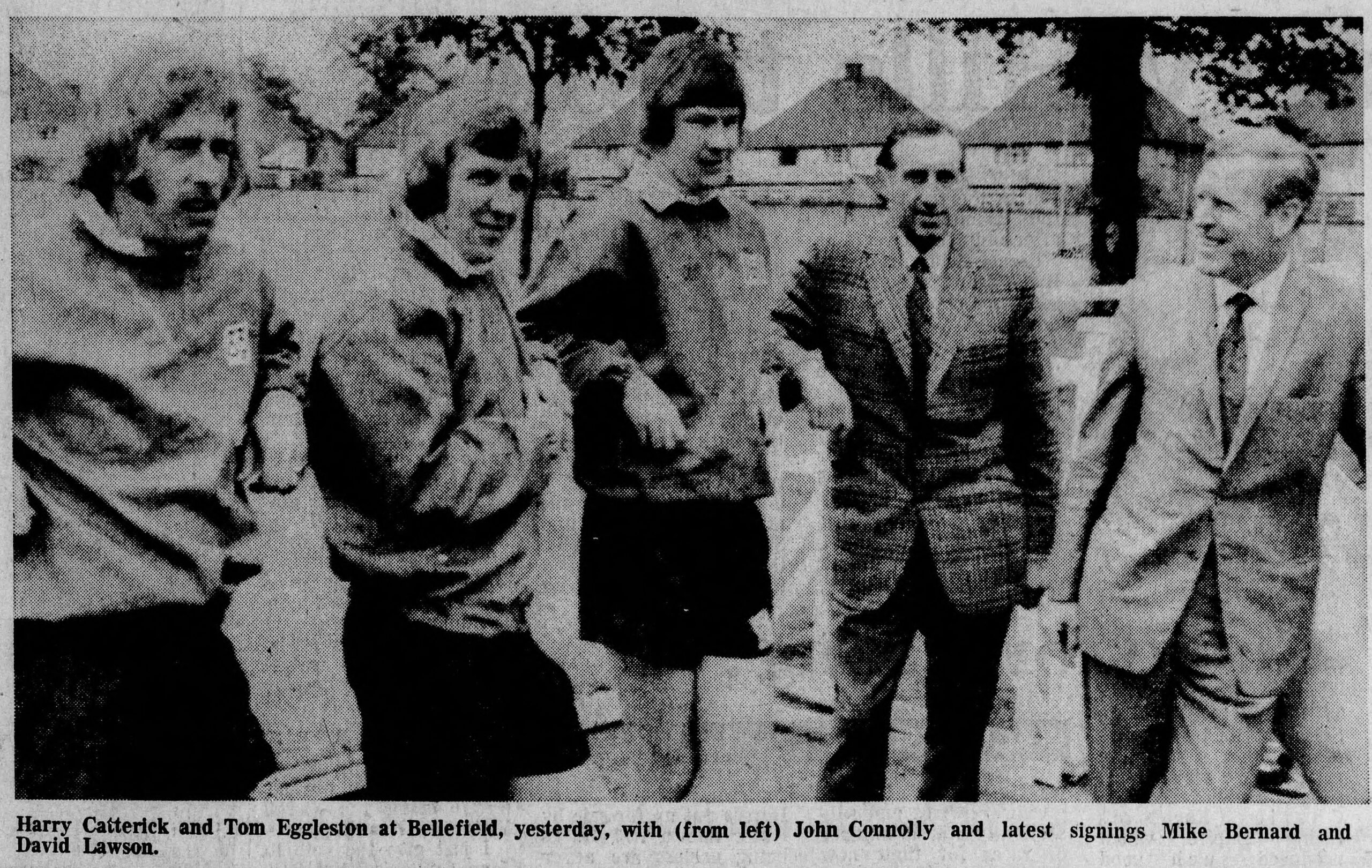
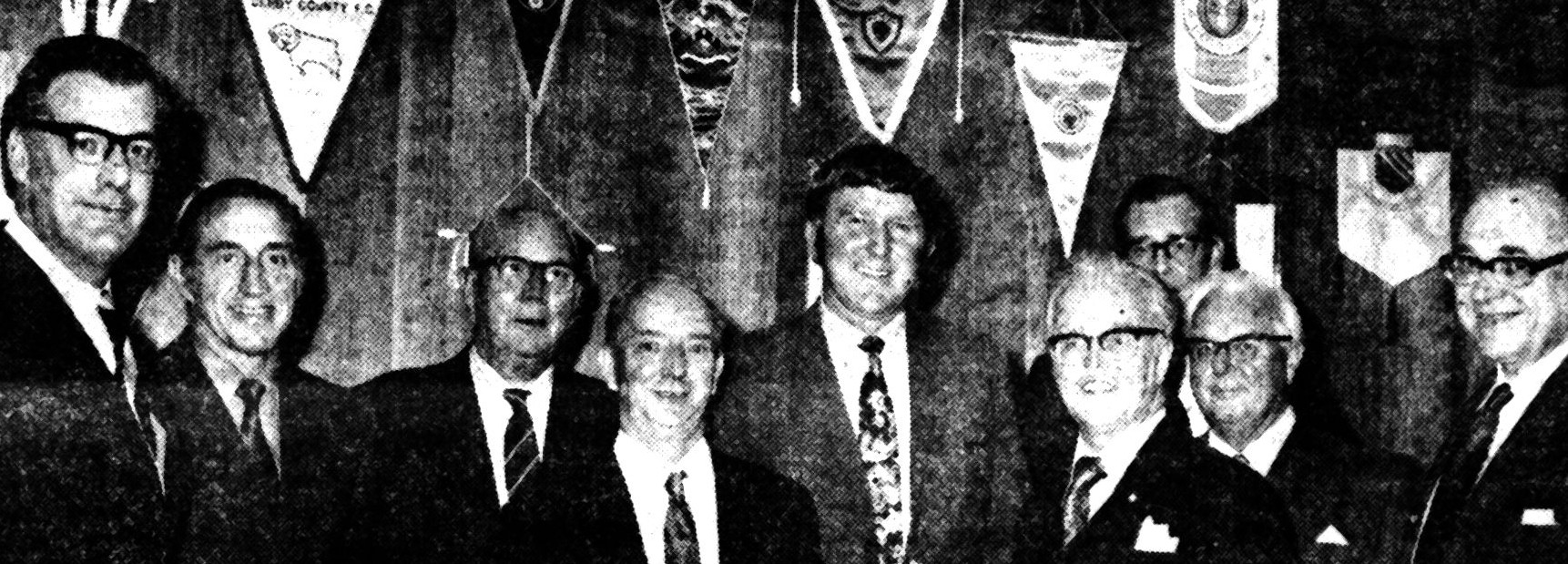
Alas, the next intake of new players fared little better, the team continued to struggle and Harry Catterick’s health remained a concern. George Watts resigned from the role of chairman in August 1972 and was succeeded by his boss, the returning John Moores senior. Everton’s abject form continued and Catterick was moved to a non-executive director role by Moores, before being replaced by one of his former players, Billy Bingham, in the summer of 1973 after Everton had failed in their pursuit of Don Revie from Leeds United.
NEW BEGINNINGS
George and Dot separated in 1977 after forty-three years of marriage, and George married Barbara Pope (nee Wakeman) the following year. After her own divorce, Barbara and her three children had moved to a flat in West Kirby, not far from the home of George Watts. Barbara was a nurse but earned extra money doing cleaning jobs. She began cleaning at George Watts’ home at the time when he was going through his divorce and they became close. George was eventually introduced to Barbara’s children Jane, Adam and James, who referred to him as Uncle George. Adam Pope vividly remembers George’s Rolls Royce pulling up outside whenever he came to visit. Barbara and the children eventually moved in with George shortly before he and their mother got married.
Remaining as a valued board member for a further fifteen years after his short stint as chairman, George Watts handled the ultimately abortive negotiations to lure Ipswich Town manager Bobby Robson to Everton, in the vain hope to replace Billy Bingham in the Everton hot-seat in January 1977, and oversaw the subsequent appointment of Gordon Lee. The 1970s really was a decade of ‘what ifs’ for Everton Football Club and its loyal supporters.
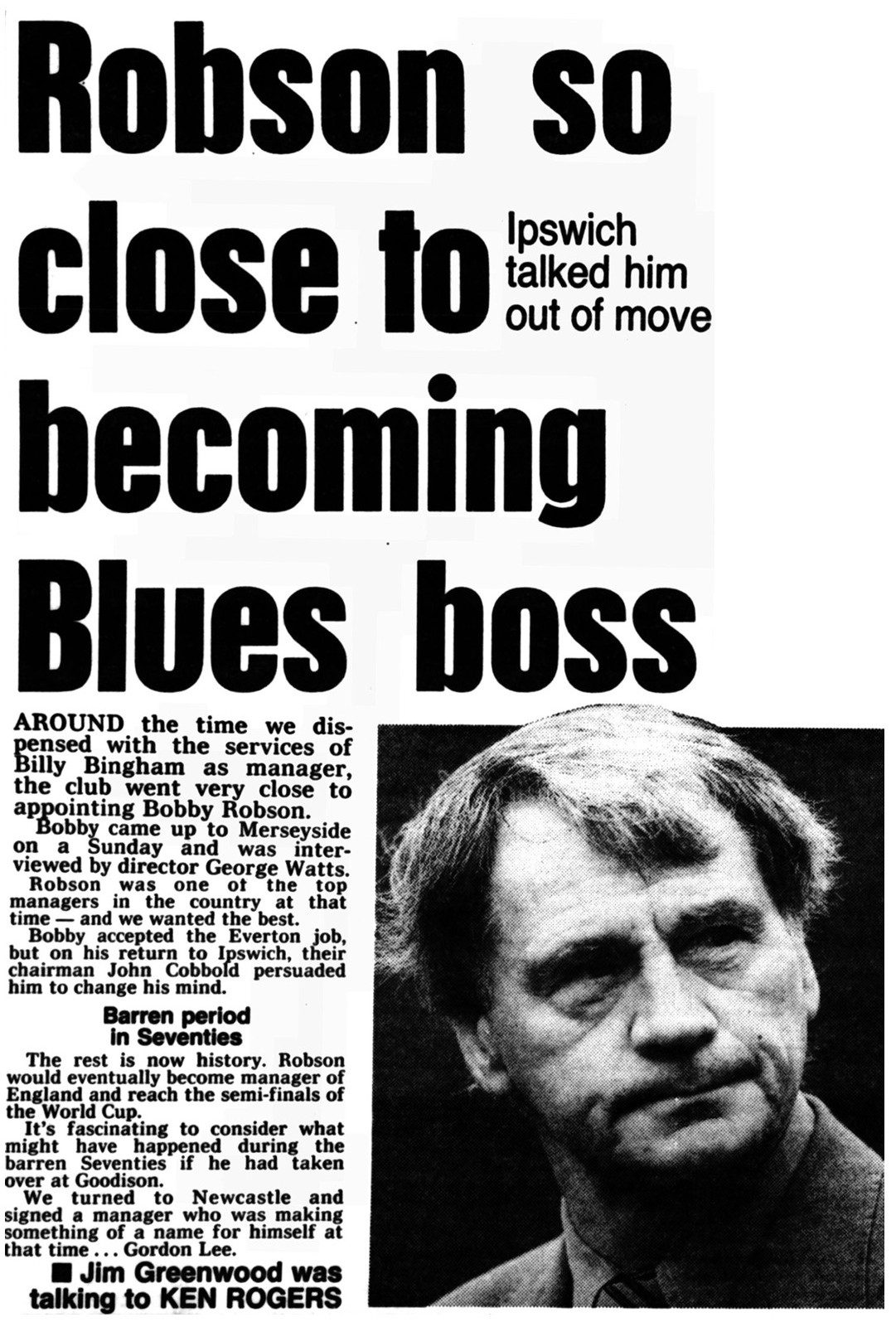
In an interview with future Everton FC Heritage Society chairman Ken Rogers (then Sports Editor of the Liverpool Echo) in June 1993, Everton’s chief executive officer Jim Greenwood recalled the first time Bobby Robson almost took over as Everton manager, in 1977
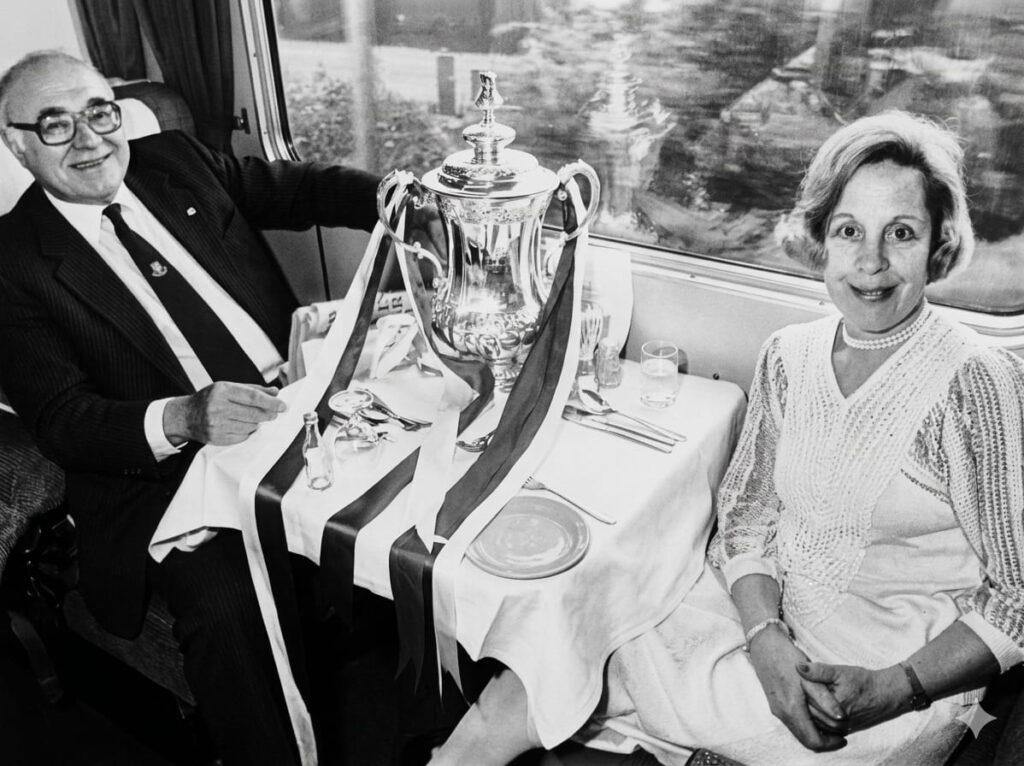
George remained an experienced head at board room level throughout the great resurgence of the club under another returning hero, Howard Kendall, in the mid-1980s. George and Barbara were photographed on the train back to Liverpool with the FA Cup on the way home from Wembley in 1984. The following season they travelled together to every away game during Everton’s triumphant 1984/85 European Cup Winners’ Cup campaign. Visiting Dublin, Bratislava, Sittard, Munich and Rotterdam along the way, they brought back numerous mementoes from the host clubs.
(Pope family archive)
A Runcorn Weekly News article published in March 1972, stated that George Watts followed Clapton Orient (now Leyton Orient) in his youth. Jacky recalls that George was an Arsenal supporter during her childhood, prior to his becoming involved at Everton. Adam’s mother Barbara was from a family of Liverpool supporters, and, while James followed his mother in supporting the Reds, both Jane and Adam became Evertonians. Visits to sit with Uncle George in the director’s box at Goodison Park for Everton home matches would certainly have done little to dissuade them from following their royal blue instincts!
California Dreaming
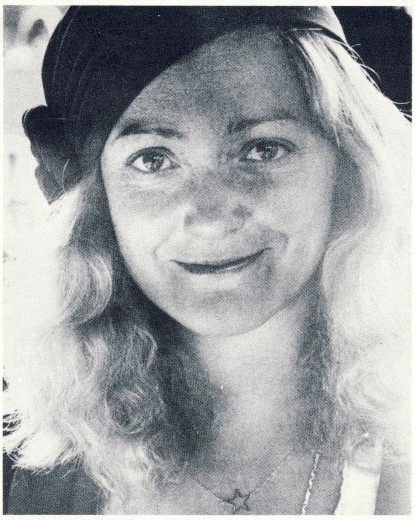
I spoke to Jacky Sarti (nee Watts) from her home in California in summer 2026, and she kindly shared her memories of her childhood and early life with her adoptive family in England:
‘I was eighteen months old when I was adopted. I later found out that my birth mother was in Australia. My christened name was Joyce Mary, but George and Dot added Jacqueline, so I have four names now! My first home with them was on Aston Avenue in Kenton, Middlesex. Of course, I was much too young to have any recollections of that – I do have quite a lot of baby photos though! We then moved to 11 Elmwood Avenue, also in Kenton, and I have lots of memories of that. It was a happy time.
‘My mother hated the name Doris, she unofficially changed her name to Dorothy (aka Dot, she was a little woman). I have a photo album with pictures of their early years together – they looked like they were having a good time! My mother had a terrible childhood, she was taken out of school when she was twelve to look after her grossly overweight mother, who I never met and never even learned her name. So, she was not an educated woman, and this was very detrimental to her in her marriage, she always felt that she was less.’
Both Alan and Jacky were sent away to boarding school, and Jacky’s memories of those days are not positive – ‘it was horrible!’
‘My brother was sent to St. Alban’s School in Hertfordshire, and later (I was eleven or twelve), because my father was moving up to Liverpool with Littlewoods, I was sent to Liverpool College for Girls (also known as Huyton College) in Huyton. It was a rough and tumble town, and we were kept very strictly within the school boundaries. I hated it!
‘Cynthia Lennon was an art teacher there, still married to John at the time. I was pretty naughty, but I got all my ‘O’ levels there, and later on three ‘A’ levels, and the teachers liked me, mostly, so I survived! As a reward reward for passing my ‘O’ levels my parents bought me a portable record player which I later had confiscated after I was caught playing my Buddy Holly and Elvis records behind the shed! I have horrible stories and memories from my time at Huyton College, all in all it was a really bad experience – and I’m sure paved the way for my departure to the United States in 1964.’
Jacky has happy memories of learning to sail the fourteen-foot boat George bought her and her brother when the family moved to West Kirby. She figured out that, if she judged the tide correctly, she could sail across the Dee estuary to Mostyn in North Wales and back, with time to stop for a beer!
Jacky was a regular at the Cavern Club as a teenager in the early 1960s and worked for the Cunard Line at their iconic Pier Head premises just a short walk from Mathew Street:
‘I used to go to the original Cavern Club in Liverpool to see The Beatles, with Pete Best on drums, not Ringo! I was working for a few months in the Cunard Building, but often we would just take the train from West Kirby, and back. I used to have a Cavern Club membership card, but it was stolen in the USA!’
In May 1964, with sponsorship arranged by George Watts’ stepfather Jim Poet, who had family in the United States, Jacky set off aboard a Cunard liner to New York for a four-week visit. Travelling alone, Jacky was treated like royalty on the ship, partaking in games at the onboard casino, and charming all who met her. As she stepped down the gangplank at the harbour in New York, she remembers being greeted with a cry from the dockside of ‘Blimey, it’s a Limey!’
Jacky arrived in New York on 5 May, ‘Cinco de Mayo’ – a national holiday celebrating Mexican-American culture. She befriended a group of fellow Brits, three young men and one woman, who were planning to drive west across the country to California, and asked Jacky if she would like to join them. A free-spirited nineteen-year-old, Jacky chose to go with her new companions and never looked back. She arranged for a friend she had made in New York to post pre-written letters back to her parents in England over the next month, filled with made-up stories about how much she was enjoying her time in the Big Apple!
Meanwhile, Jacky and her friends were headed west to San Francisco, stopping along the way at various points to ride horses and pan for gold. Passing through Salt Lake City, the group decided to visit the Mormon Tabernacle, only for Jacky to be refused entry as women are not permitted to enter the building during male-only priesthood sessions. When she arrived on the west coast three weeks later, Jacky wrote an eighteen-page letter home to George and Dot in West Kirby, telling them the truth, that she was safe and having a lovely time!
Before Jacky had left New York, George got in touch from England to let her know that reigning league champions Liverpool were on a tour of North America and would be playing a New York Select XI on 10 May at the Downing Stadium on Randall’s Island. He had arranged for the Liverpool staff to welcome Jacky, and she attended the match which Liverpool won by seven goals to one. At the same time, Everton were touring in Australia.
Later that month, England played the United States under floodlights at the same venue and won 10-0 with four goals from Liverpool’s Roger Hunt and a hat-trick from Everton’s Fred Pickering.
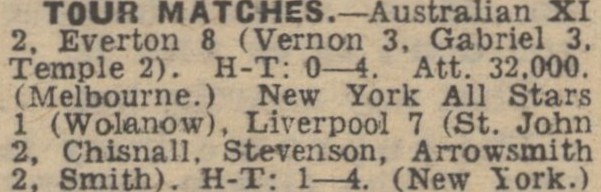
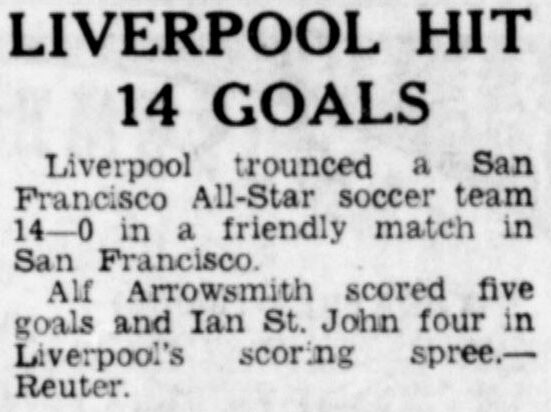
Upon arrival in San Francisco, Jacky learned that Liverpool had made the same trip, via stops for matches in Detroit and Chicago. On 3 June she watched the Reds play again, and this time they doubled their tally, trouncing a San Francisco Select XI by fourteen goals to nil before a crowd of 10,500 at the Kezar Stadium.
The Beatles had made their groundbreaking first trip to the United States earlier that same year, in February 1964, appearing on The Ed Sullivan Show before television audiences of over seventy million. They returned for a second tour that autumn, but Jacky didn’t see them play. She did however find being an English girl fresh off the boat from Liverpool of all places, a real advantage when introducing herself to new people. On her journey from coast to coast that summer, her English friends all enjoyed being made a fuss of because of their accents. One of the boys was asked for his autograph and signed it ‘Charlie Watts’ after The Rolling Stones drummer, much to Jacky’s amusement, particularly with Watts being her actual surname!
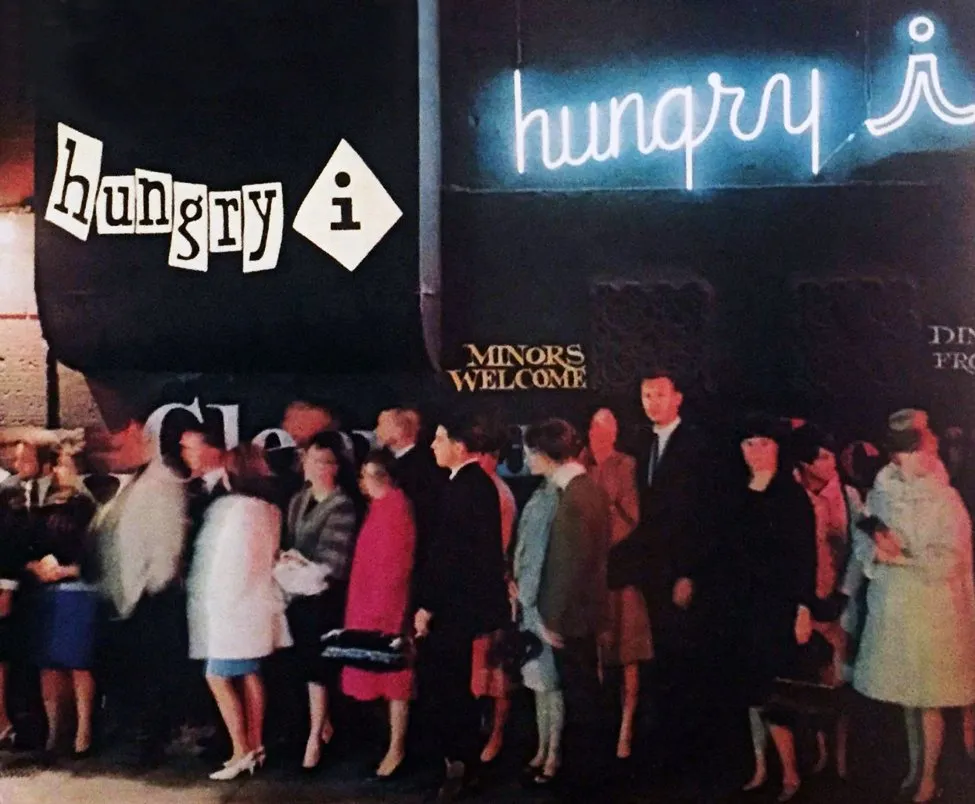
Once settled in California, Jacky quickly began to make more friends and contacts on the bustling local music scene. That first summer she saw the legendary comedian Lenny Bruce live on stage at the iconic ‘hungry i’ (short for ‘hungry intellectual’) nightclub in North Beach, California, the venue which helped launch the careers of stars including Barbra Streisand, Joan Rivers and Laura Nyro.
Jacky married musician Peter Kaukonen in 1971. Peter is the younger brother of Jorma Kaukonen, guitarist and songwriter with Jefferson Airplane, one of the biggest bands on the San Francisco music scene in the mid-late 1960s and early 1970s. Jacky was employed by the band for seventeen years, arranging their first European tour, processing royalties and taking care of other administrative duties, as well as lugging equipment and all manner of other jobs. Peter was a good friend of guitarist and singer Johnny Winter, who once offered Jacky – who had some experience of motor racing – a job as his chauffeur, or ‘chauffeuse’, not a job often associated with women in those days.
In summer 1969 Jacky attended the Woodstock Festival with Jefferson Airplane, who performed a memorable sunrise set early on the morning of Monday 17 August, featuring their huge hits Somebody to Love and White Rabbit. Jacky is clearly visible in documentary footage from the day before, onstage while the group Santana played an epic forty-five-minute set to a crowd of half a million people. She is wearing a wide-brimmed purple hat and dancing beside the amplifiers directly behind drummer Michael Shrieve and bassist David Brown.
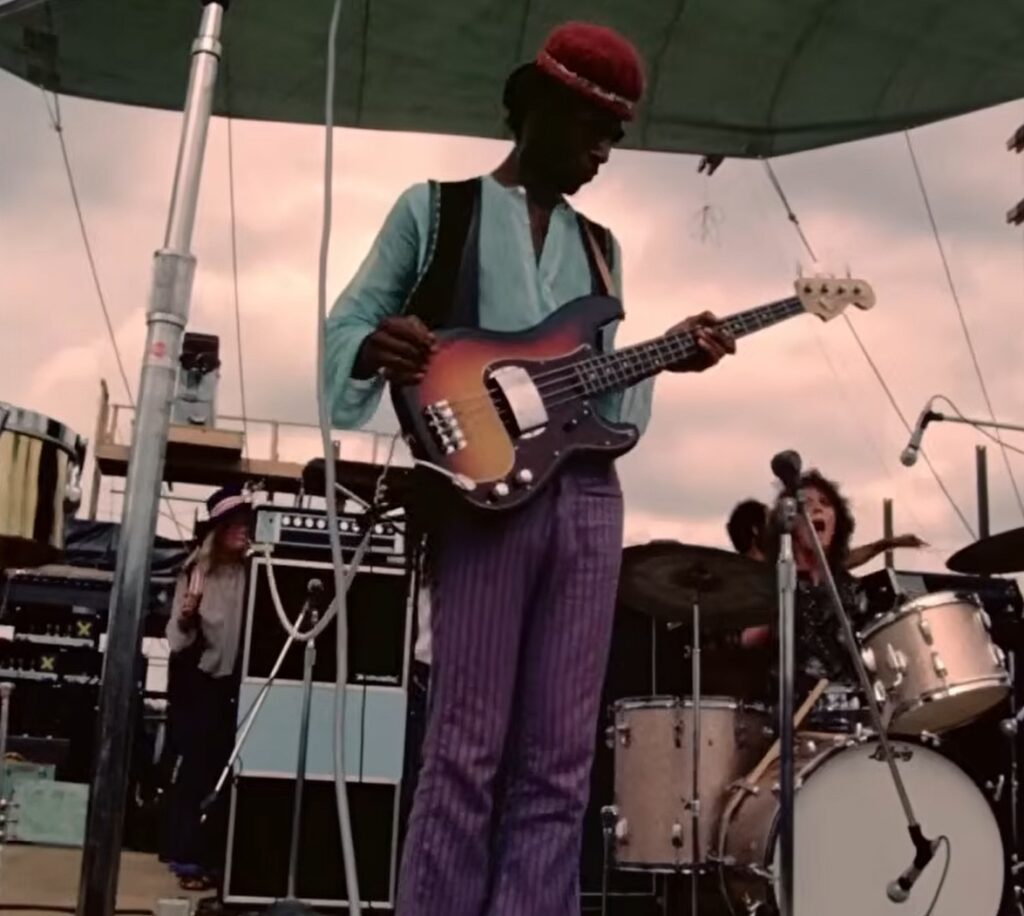
(from the Woodstock movie, Warner Brothers Pictures, 1970)
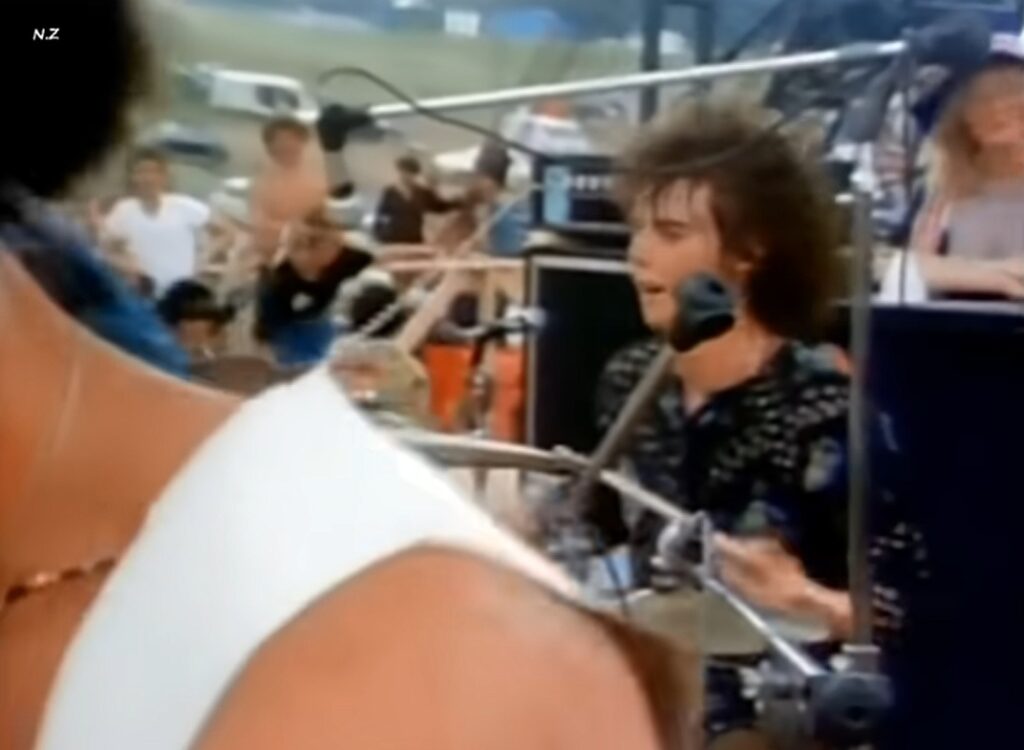
In a 2019 Seattle Times article about Michael Shrieve, journalist Hugo Kugiya stated that ‘forty years ago (Shrieve) executed one of rock music’s greatest drum solos in a moment of history documented on film.’ At just twenty years of age, Shrieve was one of the youngest musicians to perform at Woodstock, and his four-minute solo that day on the track Soul Survivor was described as ‘electrifying’ by author Bob Cianci in his book Great Rock Drummers of the Sixties (Hal Leonard Corporation, 2006), and a performance which is remembered (according to Andrea Reiher’s article published in Parade on Shrieve’s seventy-seventh birthday, 6 July 2026) as ‘one of the festival’s defining moments.’
Jacky shared her memories of the experience:
‘Yes, I was at Woodstock! Onstage with Santana, and very early the next morning (after a long night) with the Jefferson Airplane, preceded by Tanglewood with The Who and BB King… and so many more!
How many people can claim to have danced to The Beatles pre-Ringo Starr at The Cavern and onstage to Santana and Jefferson Airplane at Woodstock? The daughter of an ex-Everton Football Club chairman can!
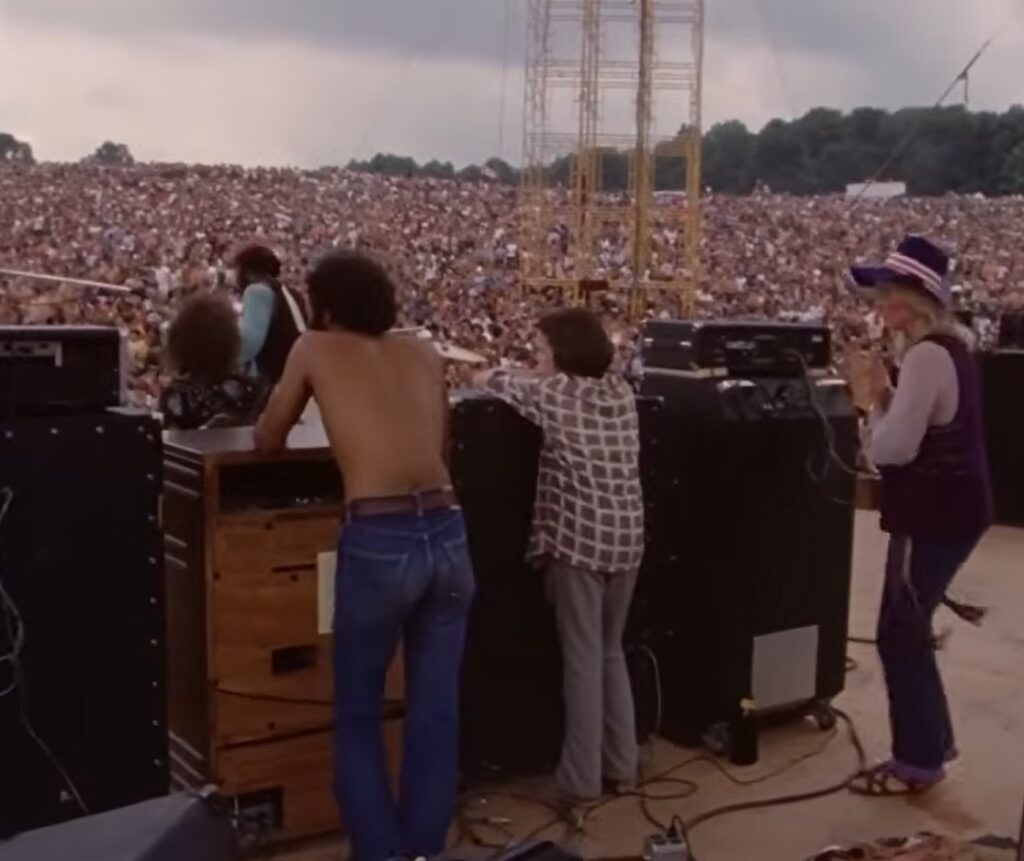
(from the Woodstock movie, Warner Brothers Pictures, 1970)
That same day, 3,000 miles east across the Atlantic Ocean, the Everton players, with George Watts in attendance, were hoping to continue their perfect start to the 1969/70 season with a third successive victory. By the time Santana (and Jacky!) took to the stage at Woodstock around 2pm local time in front of 500,000 people, a healthy percentage of the 50,000 Evertonians who had been to the match that day were already dispersed in pubs across Merseyside and beyond following a 2-1 win at Goodison Park. Despite taking an early lead, Crystal Palace had succumbed to goals from Johnny Morrissey and Joe Royle.
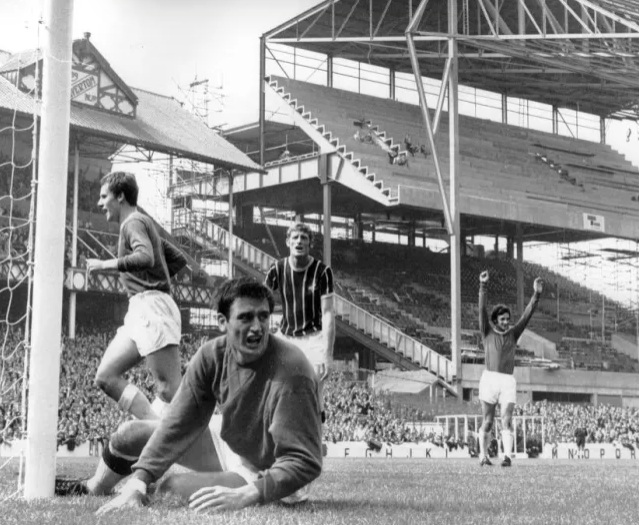
Playing sparkling football of the finest School of Science vintage, Everton lost only five times throughout the season and won the title comfortably.
After her marriage to Peter ended, Jacky started a new job as office manager with Ultrasound, still one of the leading providers of live audio services to the music industry today. During Jacky’s time with the business, clients included The Grateful Dead, Stevie Ray Vaughan and Tracy Chapman. In September 1983, Jacky married Randy Sarti on the Hawaiian island of Maui, and gave birth to their daughter, Gina, later that year. Randy worked in transport and logistics for many of the major touring acts of the era:
‘I quit Starship, as the band were called by that time, after seventeen years, on a Friday, and started with Ultrasound the following Monday. I had a two-year-old by then and the job was closer to home, so suited me much better. I was the only woman working at the company in those days, running the office, but the guys were great. Computers were just coming in at the time and we all learned to use them together! It was a wonderful place to work.
‘I am so proud of the job my father did at Everton Football Club. He was a smart, honorable man and I loved him very much. On my last visit to England I took the Goodison Park tour – it was wonderful stepping out into the Director’s Box where my father spent so much time. I look forward to visiting Hill Dickinson on my next trip. ‘Up the Toffees!’ ‘
Jacky also worked extensively as a photographer throughout her career and hopes one day to organise the catalogue of pictures she has taken throughout her astonishing life.
We Built This City
During the 2024/25 Premier League season, Everton’s last at Goodison Park after 133 years, the song We Built This City by the band Starship (formerly Jefferson Starship and featuring Jefferson Airplane founder members Mickey Thomas and Grace Slick), rang out around the old ground prior to several matches.
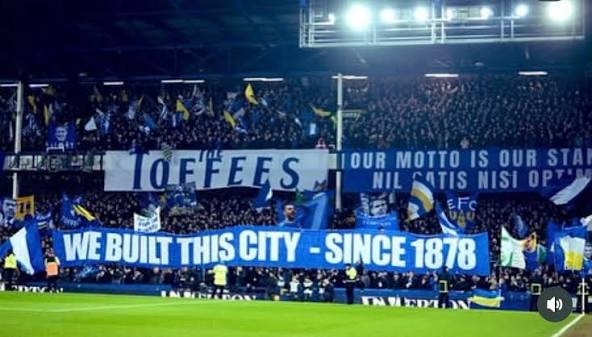
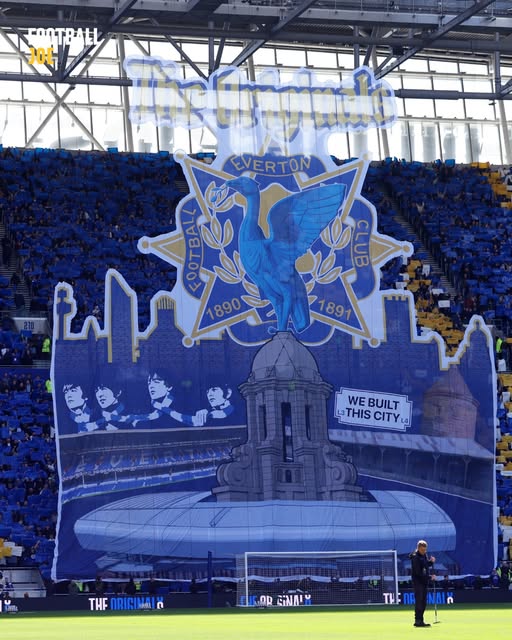
Before the final Merseyside Derby at Goodison Park, on 12 February 2025, a huge banner produced by supporter-led group the 1878s, was unveiled across the front of the Gwladys Street stand bearing the title of the song. A gigantic tifo featuring the slogan was displayed at Hill Dickinson Stadium in April 2026.
The Starship single We Built This City was originally released in 1985 – the most successful year in terms of trophies in the history of Everton Football Club. It topped the Billboard Hot 100 in the United States and reached number twelve in the UK charts.
The song was written by English lyricists Martin Page and Bernie Taupin. Taupin of course wrote the lyrics to Elton John’s hit I Guess That’s Why They Call It The Blues, which was released in April 1983, a year before Everton defeated Elton John’s Watford in the FA Cup Final at Wembley. The song has also been adopted as an Evertonian anthem, with the lyrics subtly amended to ‘I guess that’s why they call us the Blues,’ after another famous Evertonian banner which was displayed at the cup final in 1984.
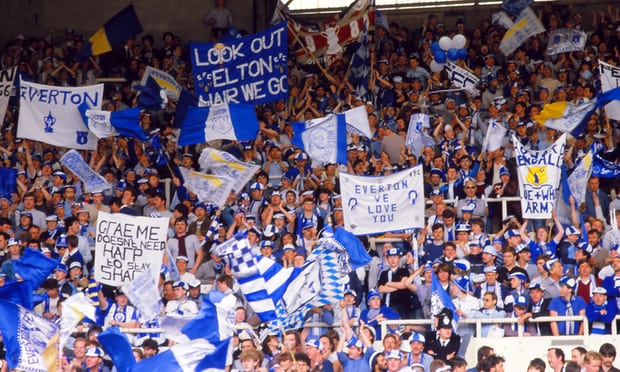
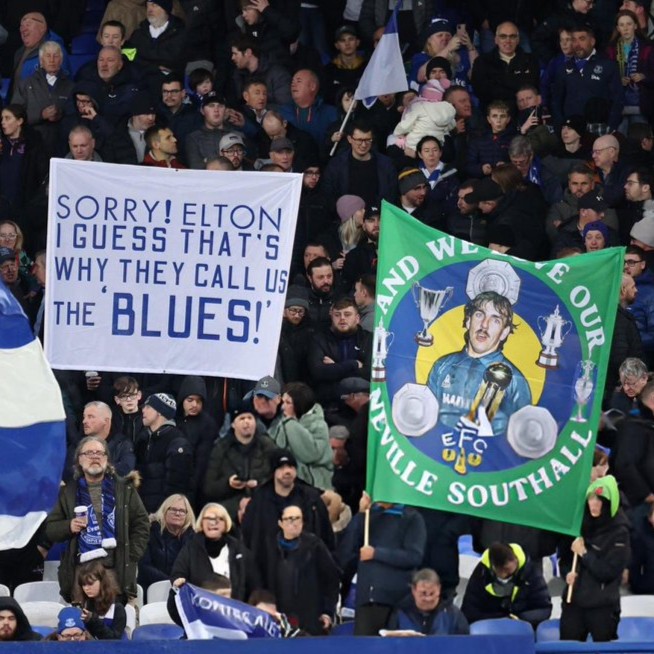
displayed during the final season of men’s first team football at Goodison Park
Brotherly Love
Jacky’s adoptive brother Alan Watts has also led a colourful life on either side of the Atlantic. A gifted musician, Alan performed at venues across the Merseybeat scene in the early 1960s, including The Cavern club. He worked for a while with a young performer by the name of Freddie Fowell, better known to most as eccentric comedian (and lifelong Evertonian) Freddie Starr.
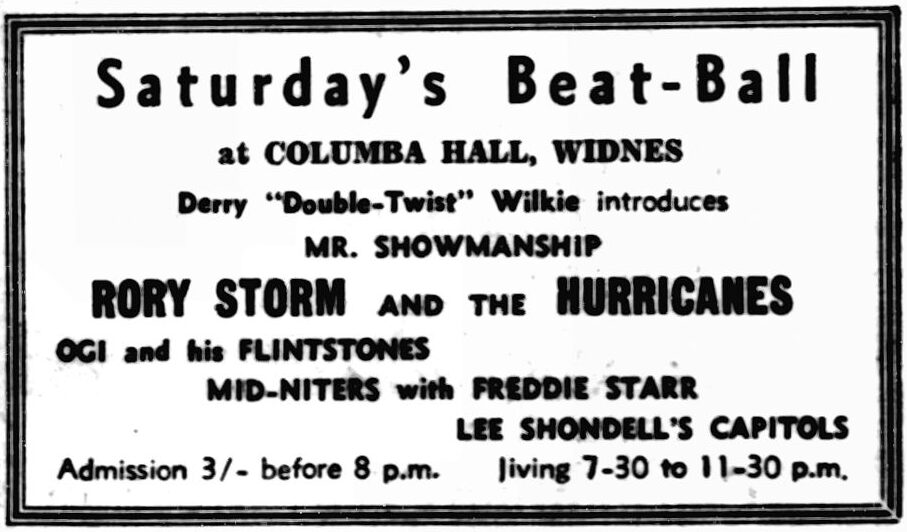
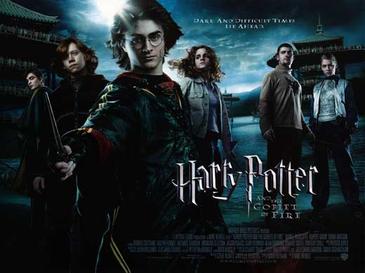
(Warner Brothers Pictures, 2005)
Jacky explained that, after returning to England and settling in Banbury, Oxfordshire, Alan worked as a private chauffeur at Pinewood Studios on the outskirts of London:
‘Alan was indeed the official chauffeur (in his own car, which he kept in spotless condition) for Tim Burton at Pinewood Studios. He then drove the director (and other dignitaries) during the making of all eight of the Harry Potter films. He even ‘acted’ in the fourth one (Harry Potter and the Goblet of Fire). He was cast as a judge because he looked the part. I only saw it once, but it was very exciting! I also remember going to see The Muppet Movie (the first one in 1979) with a friend. We were watching the credits and there was my brother’s name under ‘transportation’ which was a real thrill for me!’
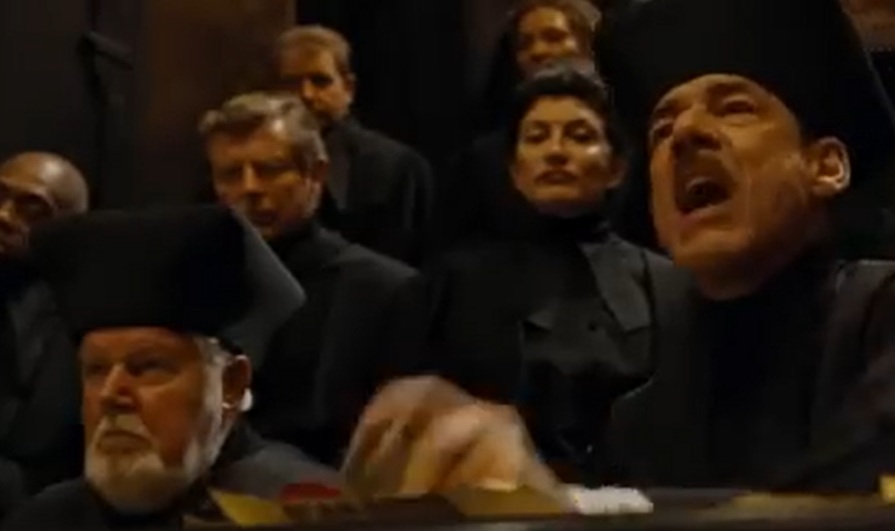
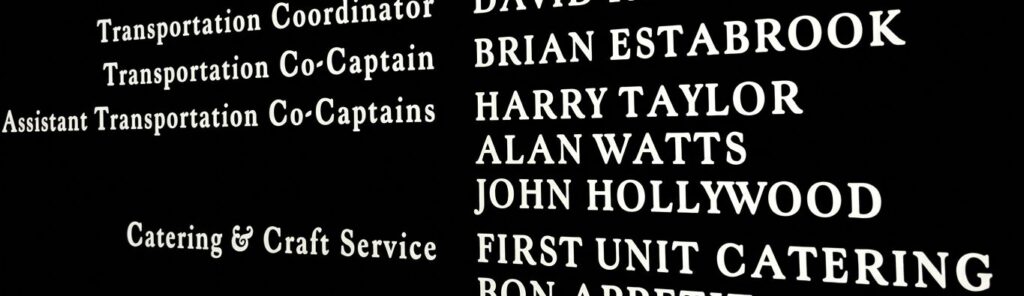
Although Jacky and her older brother were not close as children, they have built a warm relationship as adults, despite the distance between them.
Royal Blue Memories
George’s step-son, Adam Pope, the respected BBC Radio Leeds journalist, revealed in a BBC Sounds podcast recorded in 2025, that he had discovered the unsigned contract offered by Everton’s board of directors (including George Watts) to Leeds United manager Don Revie in 1973 – Adam had found it among his late mother Barbara’s possessions following her passing in June 2025. Things might have been very different for Everton in the 1970s had Revie replaced the ailing Harry Catterick. We will never know.
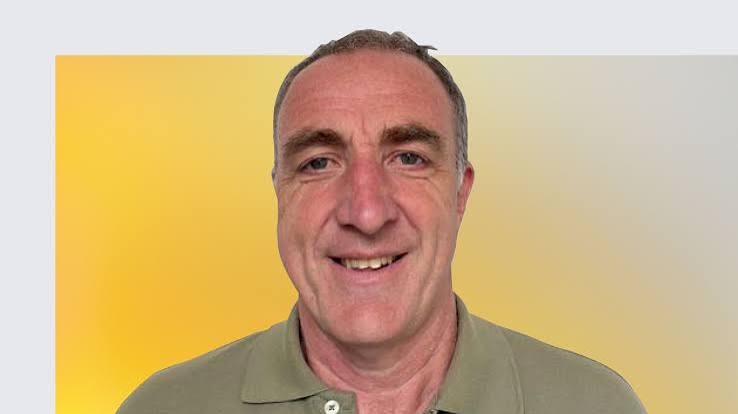
In another Everton connection on his paternal side, Adam’s grandfather (Edward) Ted Pope (1901-1982) played as a goalkeeper for Everton’s A and B team in the 1920s. On 7 January 1922 Everton faced Second Division Crystal Palace in the FA Cup third round. First choice goalkeeper Tom Fern had injured his wrist two games previously in a First Division match against Bolton, and reserve team goalkeeper Ernie Salt had filled in for the following game at home to Sunderland. With Fern claiming he was fit, Salt was put on standby for the cup tie. Had Fern not made it and anything happened to Salt in the meantime, Ted Pope may have hoped for an emergency call up. As events unfolded, Everton – with the injured Fern playing with his wrist bandaged – lost 0-6, the club’s biggest defeat at Goodison Park to date. Ted Pope later became a detective sergeant with the Liverpool City Police.
I spoke to Adam at length, and he had fond memories of George Watts. He recalled an elderly couple who were long-standing Everton shareholders once stopping him at Goodison Park and making a point of telling him how wonderfully well George always spoke at shareholders’ meetings. Adam remembers Jack Sharp junior as a very funny man and his fellow director Bill Scott as always willing to volunteer to travel on away trips. Bill was single and enjoyed a drink and a socialise!
George thought nothing of taking Adam on away trips with him, a real treat for any young football fan. Barbara had friends in Hull, so the family often visited East Yorkshire around the Christmas holidays. At Christmas 1977, Everton played at Leeds United and Adam travelled with George, stopping on the way to Humberside at a freezing Elland Road to watch Everton lose 3-1, Martin Dobson scoring a late consolation goal. Adam also remembers doing his homework in the back of George’s Rolls Royce on the way to the 1980 FA Cup semi-final against West Ham United. This game also took place at Elland Road, a venue which would play a huge role in Adam’s future career as a sports journalist and broadcaster, having settled in Yorkshire after graduating with a bachelor’s degree in history and politics from the University of Huddersfield in 1989.
One of Adam’s most vivid memories is the day his hero Bob Latchford visited the family home in West Kirby for a meeting with George. Adam had roared with delight while watching ‘The Latch’ amass his thirty-goal haul during the 1977/78 season but was speechless when the Everton centre-forward walked into the living room!
Adam was also at the fateful Merseyside derby at Goodison on 1 March 1980, when legendary former Everton striker William Ralph ‘Dixie’ Dean passed away. The Pope siblings got their programmes signed by Dixie, and Adam was the last to do so, just before the second half kicked off. Dean had a heart attack in the closing stages of game after Peter Eastoe pulled a goal back for Everton and passed away shortly afterwards. Adam is confident he was one of the last people (if not the very last) ever to get the great man’s autograph.
Another of Adam’s treasured recollections was the day of a charity event at Caldy Golf Club on the Wirral. George Watts was a member at Caldy, along with fellow Everton directors Bill Scott and Jim Hacking, and Adam caddied for him, while Everton manager Gordon Lee brought most of his first-team squad to take part in the competition.
Adam recalls the excitement at Everton matches of cushions whizzing over his head in the Main Stand at Goodison Park when the crowd turned against Lee as his team’s form faltered in the late-1970s. After one game, while waiting for George, he and his siblings looked out of the window from the corridors of the Main Stand onto Goodison Road, where a group of fans had congregated outside the Winslow Hotel to chant ‘Lee out!’
On 24 April 1985, the day of Everton’s legendary European Cup Winners’ Cup semi-final second leg versus Bayern Munich tie at Goodison, Adam was on a school field trip in Chorley. Finishing school late as a result he had to sprint home, finding George in a panic as there wasn’t much time left to get through the traffic to Goodison Park. They sped to the game, and Adam made the long journey up the escalator to watch the historic events unfold from the giddy heights of the Top Balcony.
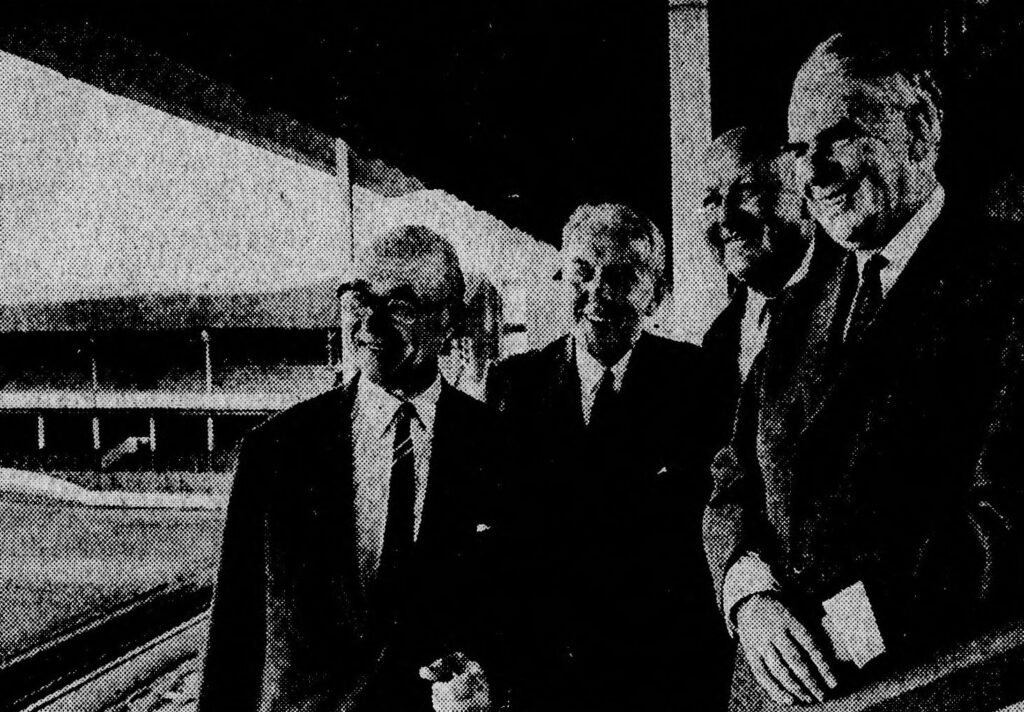
to Goodison Park, Liverpool Daily Post (Welsh Edition), 6 July 1971
Adam remembers George as a big man, portly; a figure of stature and presence who was very kind to him and his siblings:
‘George was not religious but lived by Christian values of kindness and decency. He loved gardening, keeping a well-tended greenhouse where he grew tomatoes. He never sought recognition for the kindness he showed. He preferred to do things discreetly, quietly, without fuss or fanfare. He was a humble, warm man, who never tried to pretend he was our dad.’
George rarely drank, other than the occasional Campari, and spoke candidly of having witnessed the negative impact of alcohol (gin in particular) as a child growing up in Bethnal Green during and after the First World War, where alcoholism ravaged families and many people were left with nothing.
Throughout his working life George Watts was a fierce businessman who did not suffer fools. He was used to working under pressure alongside John Moores at both Littlewoods and Everton. Adam recalled stories of Mr. Moores calling at all hours with demands and suggestions. On one occasion George arrived at work to find his office was empty and his job no longer existed, before returning the next day to find his desk back in position and John Moores behaving as though nothing had happened.
Adam attended Caldy Grammar School, where the main sports were rugby and hockey. Occasionally George would pick Adam and his brother James up in his Rolls Royce, much to their embarrassment – although their friends thought it was great! Barbara learned to drive after she met George and he bought her an Austin Allegro. Adam remembers how incredibly intelligent George was, and as a result how helpful he could be with homework assignments!
At Christmas a Littlewoods hamper would arrive at George’s house, along with a huge turkey and a mountain of goodies. Littlewoods staff would be sent to clean George’s car, and the house was maintained and later extended to the highest specification by Littlewoods-approved contractors. Adam’s older sister Jane worked for Littlewoods as a young woman. Jane and Adam’s brother James died tragically, aged only forty-one, in a road traffic accident in 2009.
Adam remembers George and his mother as a couple who adored each other and were very much in love.
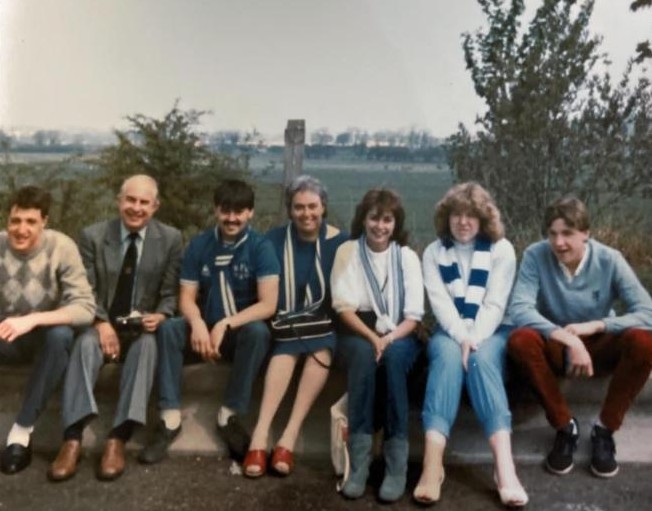
(note the Liverpool fan resplendent in red trousers!)
Martin Reaney is a staunch Evertonian who first watched his beloved Toffees from the Lower Bullens stand as a young boy in 1969, before relocating his season ticket to the Lower Gwladys in 1973.
Martin’s mother, Barbara, and George’s second wife, also Barbara, grew up as friends in the Liverpool suburb of Fazakerley. Martin remembers meeting up with his parents, Barbara and Gordon, outside the old programme shop on the corner of Goodison Avenue after a disappointing League Cup exit (copyright Everton Football Club!) at home to West Bromwich Albion on 24 September 1980. They had just bumped into Barbara Watts and learned she was now married to George Watts, the Everton director. This chance reunion meant that Martin suddenly found himself regularly in the company of one of Everton’s longest serving board members, a former chairman no less! He soon met and befriended Barbara Watts’ children Jane, Adam and James.
I spoke to Martin in early autumn 2026, and he described George Watts as having ‘the most unbelievable brain.’ He recalled the advice George later gave him as he went about setting up his own business, and how endlessly kind and generous he was, always keen to help people.
George arranged four season tickets in the director’s box for Martin and his family and suddenly the boy from the Gwladys Street found himself seated amongst some of English football’s biggest names. He recalled meeting several of George’s friends from the world of football, including Matt Busby and Lawrie McMenemy. Martin asked George whether he would be allowed to wear his colours to the match, and George replied: ‘of course, bring some life to the director’s box!’
Regularly attending reserve team matches at Goodison Park in the early 1980s alongside George, Martin was always struck by his warmth and willingness to go the extra mile for others. He remembered how much George appreciated connecting with what he called ‘the real fans,’ salt of the earth characters from the terraces, perhaps the Scouse equivalent of people George had grown up with in his own youth back in Bethnal Green. Martin described George as well-spoken, understated and incredibly intelligent, but not somebody to be trifled with. As well as advising Martin on his business plans, George helped Jane Pope find her way as a trainee at Littlewoods.
In May 1985, as Everton prepared to face Manchester United in the FA Cup Final in pursuit of a unique treble of trophies alongside the League Championship and European Cup Winners’ Cup, Martin Reaney was attacked as he got off the coach near Wembley Stadium. He suffered knife wounds to his back and was rushed to Northwick Park Hospital. George Watts was already at Wembley in his capacity as a senior club official and due to take his seat in the Royal Box. Instead, he spent most of the match frantically searching for a telephone and calling repeatedly to check that Martin was in a stable condition. Thankfully the wounds were not as serious as they might have been, and Martin was released from hospital the following day. Jane Pope and Martin Reaney were married five weeks later, and a very proud stepfather George Watts gave Jane away.
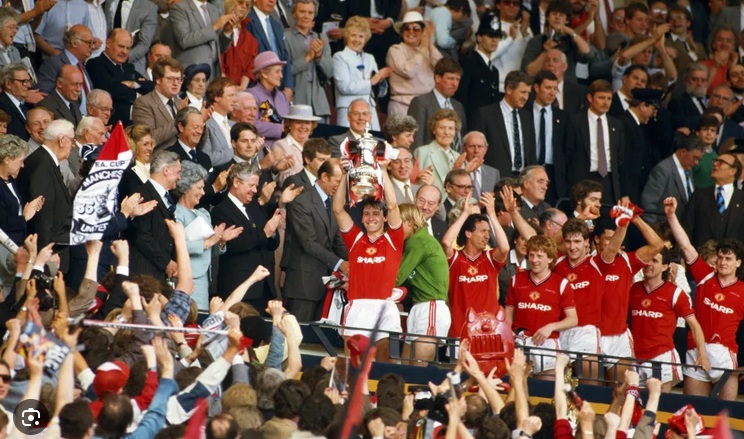
Sir John Moores is present, but George Watts is notably absent from the Royal Box. (Sir John is at the top left between Bill Scott, Neil Kinnock and Graham Kelly, then secretary of The Football League. Sir Phillip Carter is at the front of the Royal Box, to the left of the Duke of Kent). )
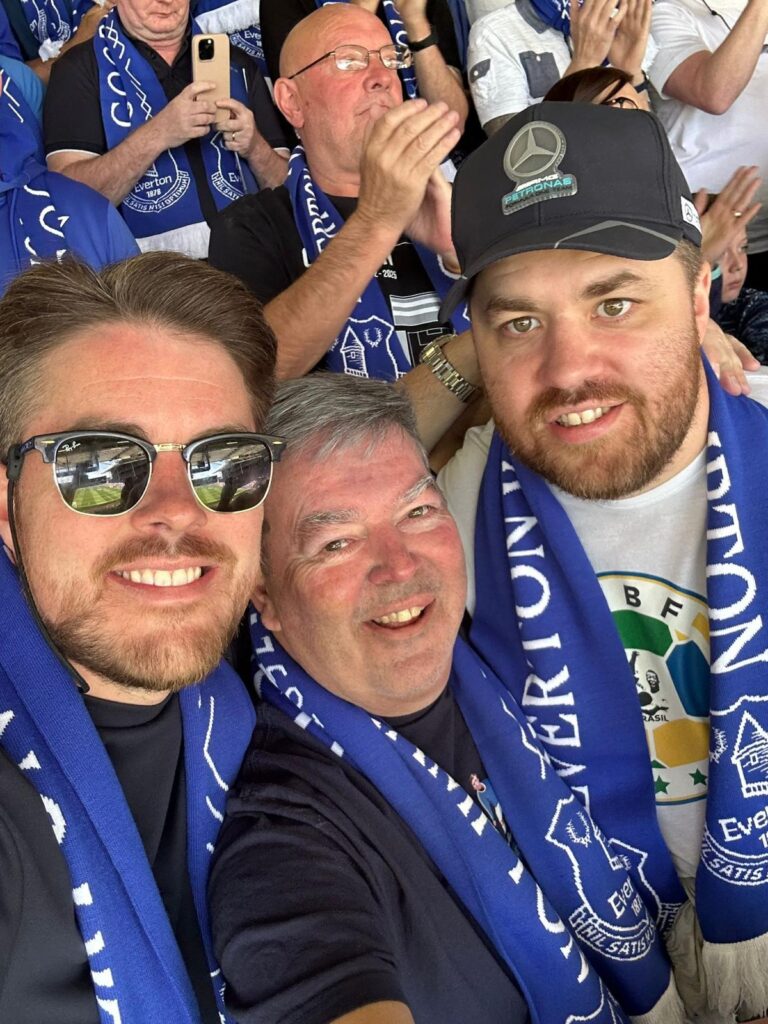
in May 2025, with sons Jacob (left) and Sam (right)
Nothing But The Best…
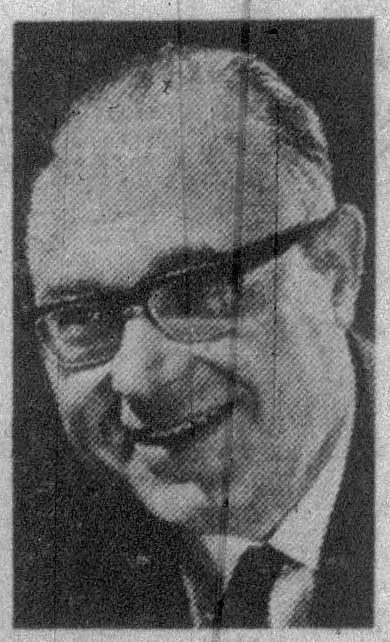
George Watts retired as a director of Everton Football Club on 13 August 1987, after twenty years loyal service to the club. He died, suddenly, aged 76, from a coronary thrombosis, on 5 December 1988, at his home in West Kirby.
George’s funeral was held at St. Bridget’s Church, West Kirby on 9 December 1988, followed by cremation at Landican Cemetery. His estate was handled by Cuff Roberts North Kirk, Solicitors, of 25 Castle Street, Liverpool. Cuff Roberts was previously the legal practice of former St. Domingo choirboy and long-serving Everton director, secretary and chairman, William Charles Cuff. North Kirk, which had merged with Cuff Roberts, was the firm of Everton director and chairman, Edward Holland Hughes, who’s passing in 1967 created the vacancy on the Everton board which was filled by George Watts.
George Watts’ time as a director of Everton Football Club encompassed no less than three League Championship title winning seasons, four FA Cup finals (including the 1984 victory), a League Cup final and the 1985 European Cup Winner’s Cup triumph. His period as chairman proved a thankless task, with nobody having predicted how quickly the celebrated team of 1969/70 under Harry Catterick would fall to pieces and the Everton manager’s own health would take such a serious downturn. George and the Everton board had overseen the building of the new Main Stand at Goodison during that golden era at the end of the 1960s into the early 1970s, and everything seemed set for the club to dominate English football for years to come. Alas, it was not to be.
Having steered the club through what turned out to be a couple of very difficult years, George did not walk away. He remained a constant behind the scenes, connecting the glorious success of Catterick’s era with the epic resurgence under one of Harry’s key players, Howard Kendall, in the 1980s. He also played a key role in supporting John Moores – who was knighted in 1980 – in building and maintaining the Littlewoods organisation to such high standards.
Nil Satis Nisi Optimum, indeed!
Author’s Note
In June of 2026 with the assistance of Everton Football Club, and funded by the Everton FC Heritage Society (EFCHS), a commemorative stone was commissioned in George Watts’ memory for the Docklines display inlaid between the historic railway lines on the fan plaza outside Hill Dickinson Stadium. The stone is due for installation in summer 2027 and, per Jacky Sarti’s request, will read:
GEORGE WATTS
EFC DIRECTOR 1967-1987
VERY MUCH LOVED
With thanks on behalf of EFCHS to Everton Football Club for their help with making this possible. Once George Watts’ Docklines stone is installed we will be sure to update this article and intend to make a short film with the family to unveil it. Watch this space!
Acknowledgements
With huge thanks to Jacky Sarti (nee Watts), her stepbrother Adam Pope and his brother-in-law Martin Reaney for their wonderful recollections of George Watts and for sharing their pictures and background information. Thanks also to Jacky’s daughter Gina for her help with family photographs.
You can read more about Adam’s discovery of Don Revie’s unsigned Everton contract by clicking on the headline below:
BIBLIOGRAPHY
Belfast Newsletter
Daily Mirror
Liverpool Daily Post and Echo
London Evening News
London Gazette
Runcorn Weekly News
Parade
Seattle Times
Cianci, Bob, Great Rock Drummers of the Sixties (Hal Leonard Corporation, 2006)
The Everton Collection (Liverpool Record Office)
Various Everton matchday programmes
Johnson, Steve, Everton Results – www.evertonresults.com
–