Mike Royden
.
Private David Bruce Murray
(1882-1915)
11th (Service) Battalion, Princess Louise’s,
(Argyll & Sutherland Highlanders)
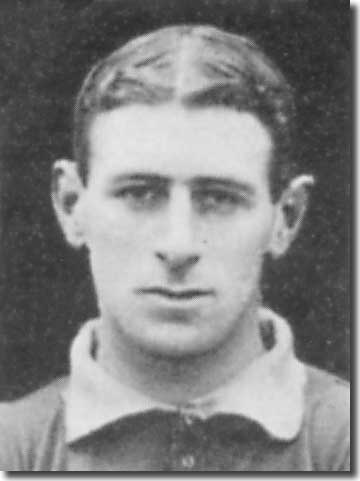
David Bruce Murray may not be a name familiar to most Everton fans, but what he does have in common with several more legendary players, such as Johnny Morrissey, Kevin Sheedy and Peter Beardsley, is that he is on that rather short list of players who have crossed the Park to play for both clubs.
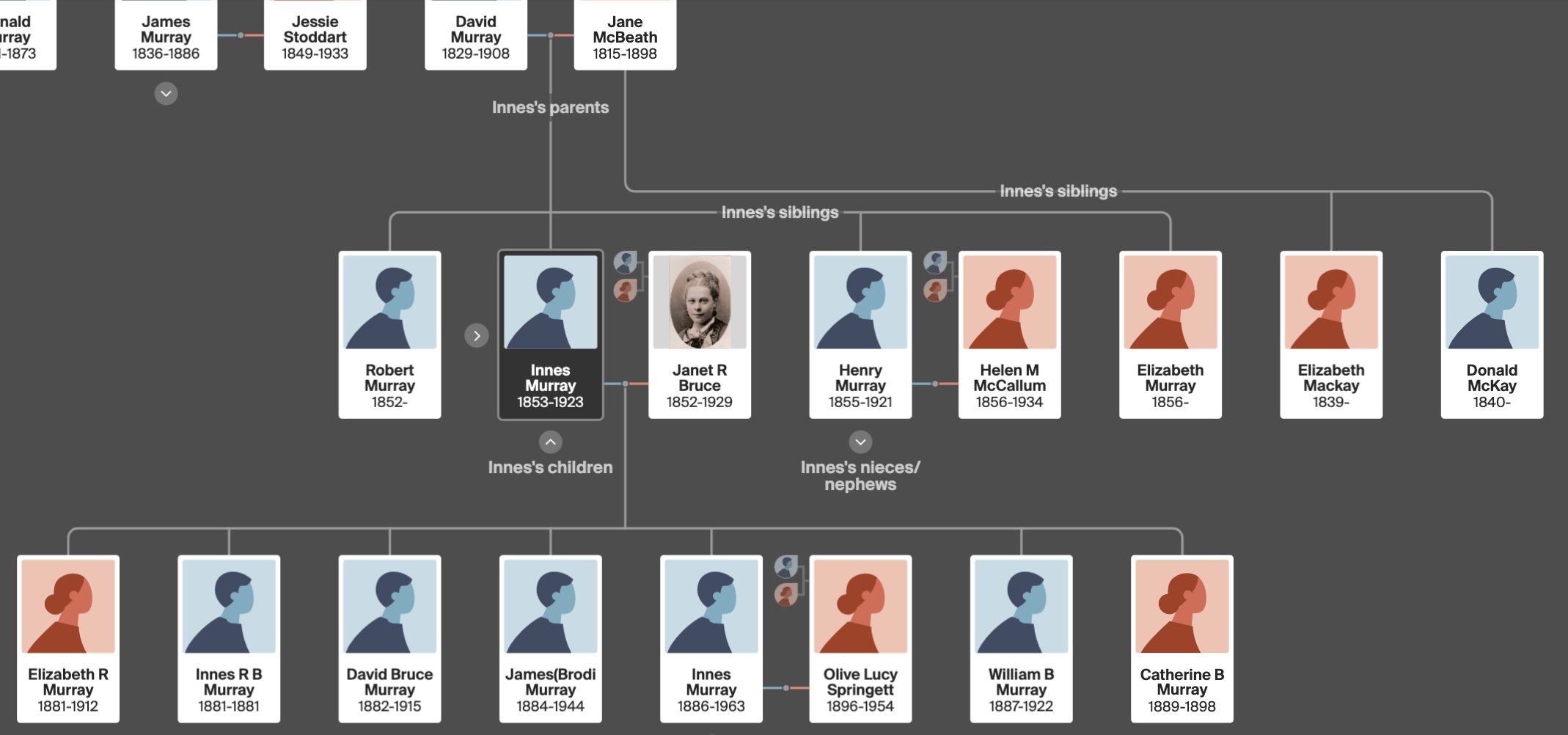
David Murray was born on 4 December 1882 in Busby, East Renfrewshire, south of Glasgow, to Janet Robertson Bruce, aged twenty nine, and Innes Murray aged twenty-eight, and was part of a family of three brothers and a sister.
While still living in Busby, he achieved a level of local notoriety when he was awarded the Royal Humane Society’s Certificate for Bravery, when he saved the life of a child from drowning in a mill-dam in his home village.
His career as a footballer began with Busby Rosemount in 1898, where he featured as a full back, playing on both flanks. Within two years he had moved to Leven Victoria in 1900, following which he moved to Glasgow Rangers. However, this may have been a loan or trial period, as he did not make the First XI, and the deal to bring him south of the border to Everton after being ‘strongly recommended’ was concluded with Leven Victoria in advance of the 1903/04 season.
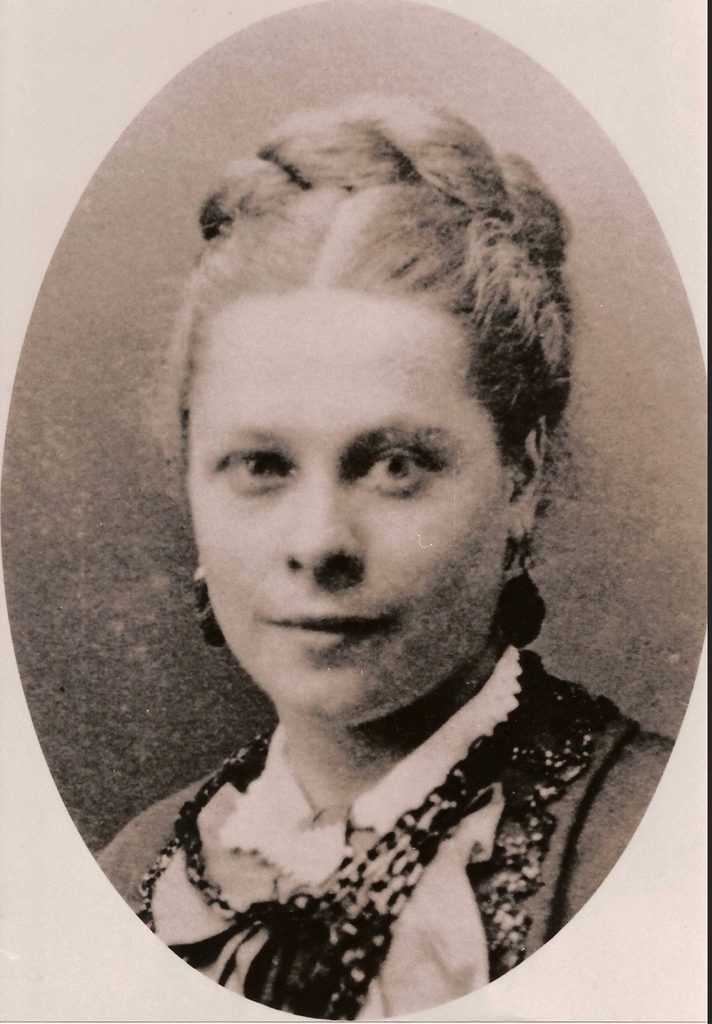
Everton FC
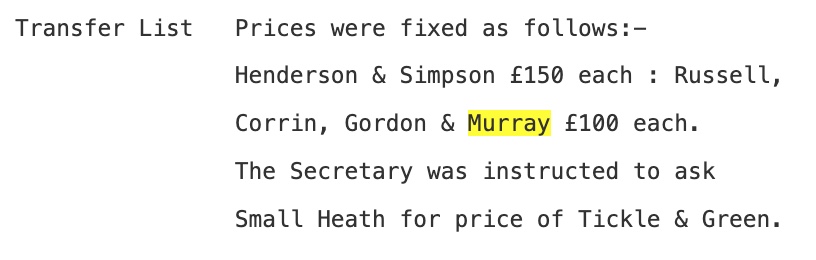
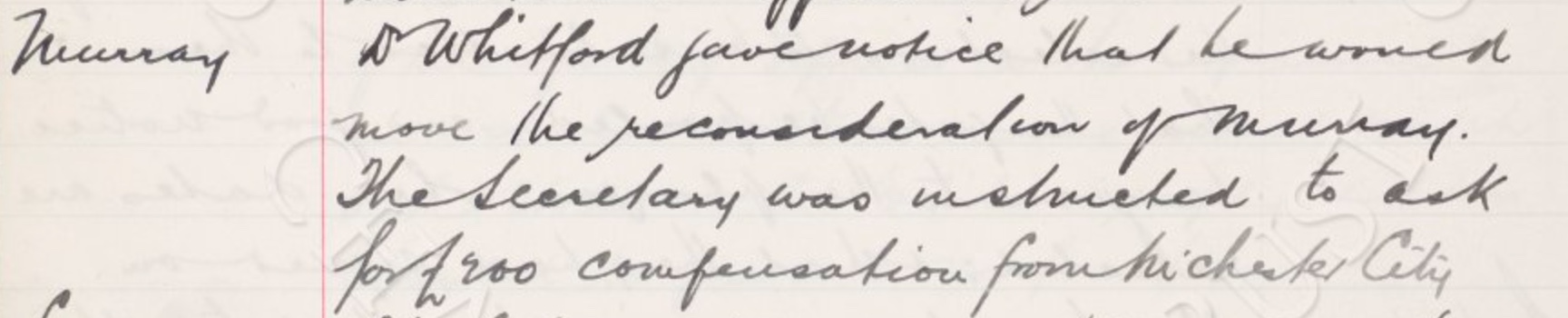
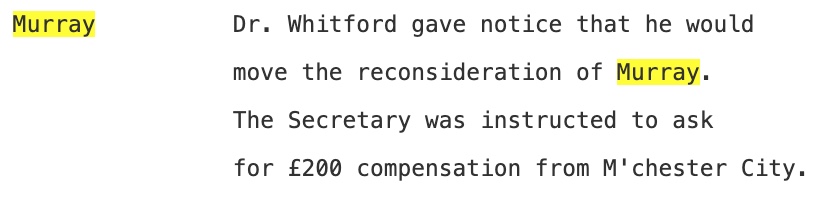
The transfer of Murray is recorded in the Everton FC Board of Directors Minutes,



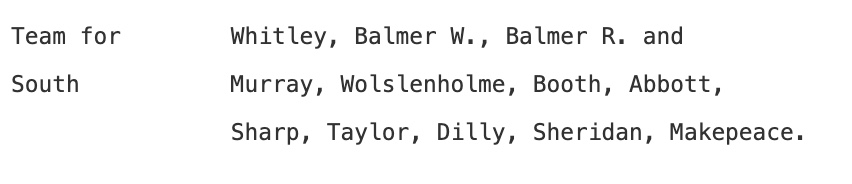
After successfully coming through the trial against South Liverpool as recorded above, he was offered terms by the Board, which he duly accepted,


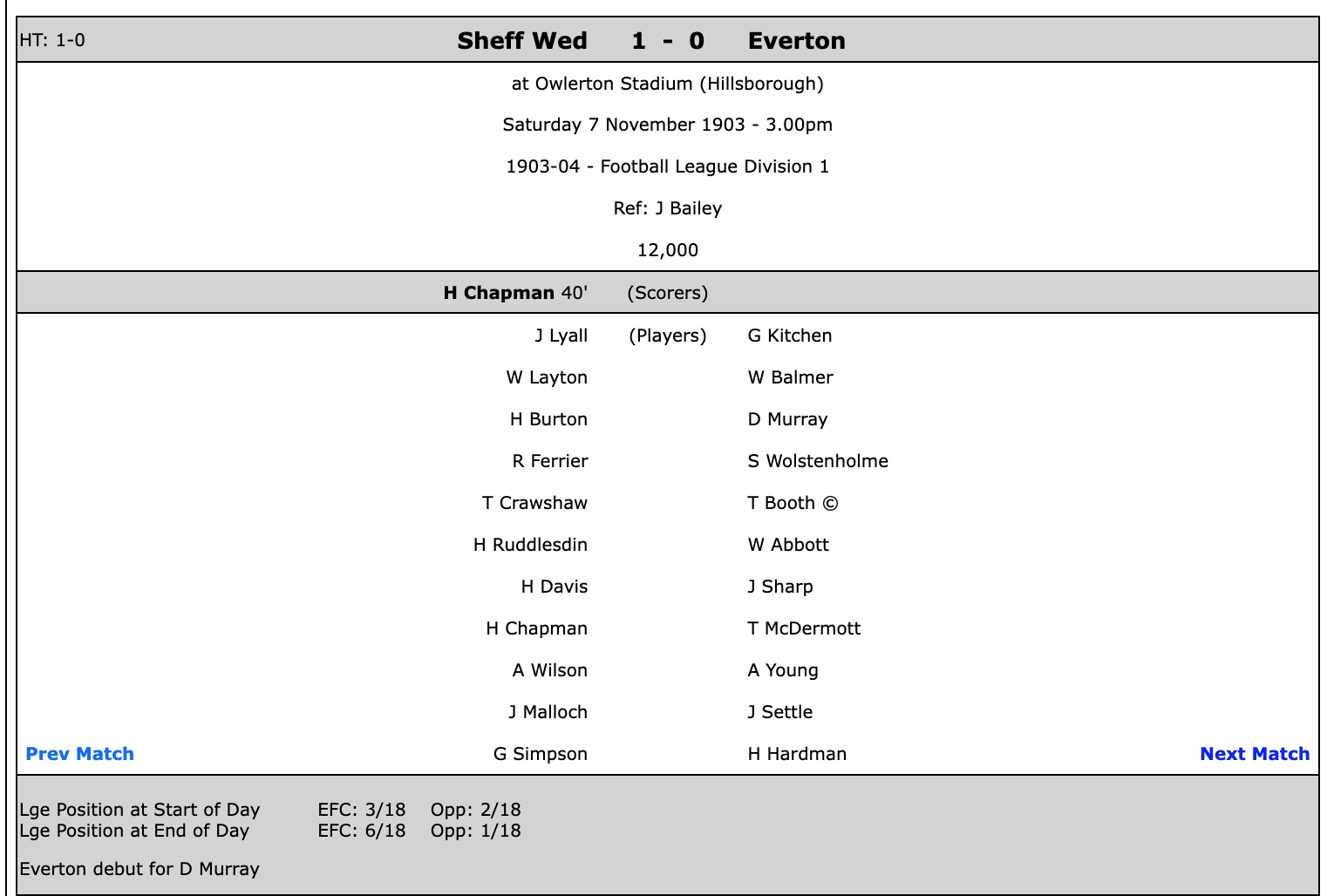
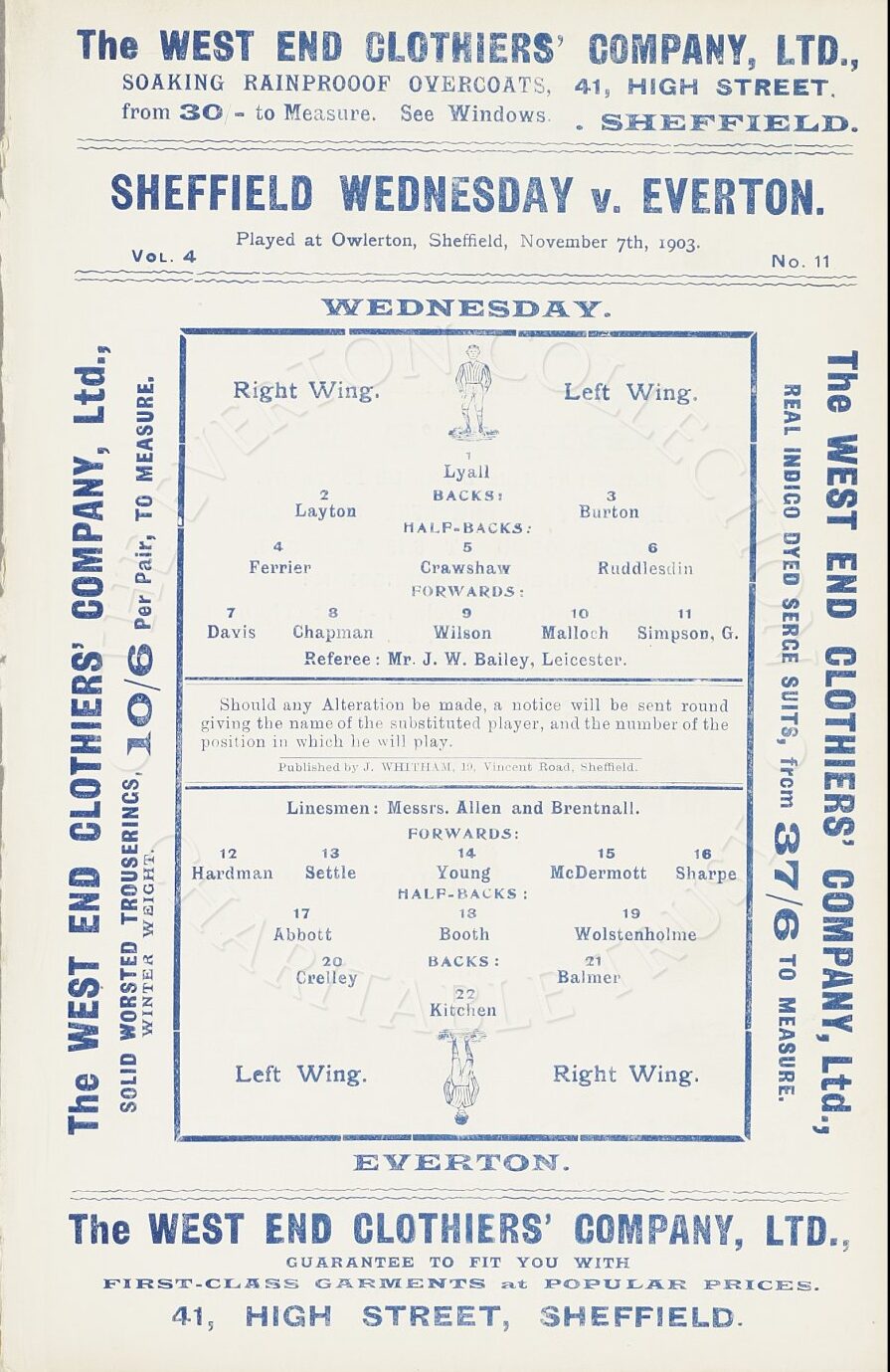
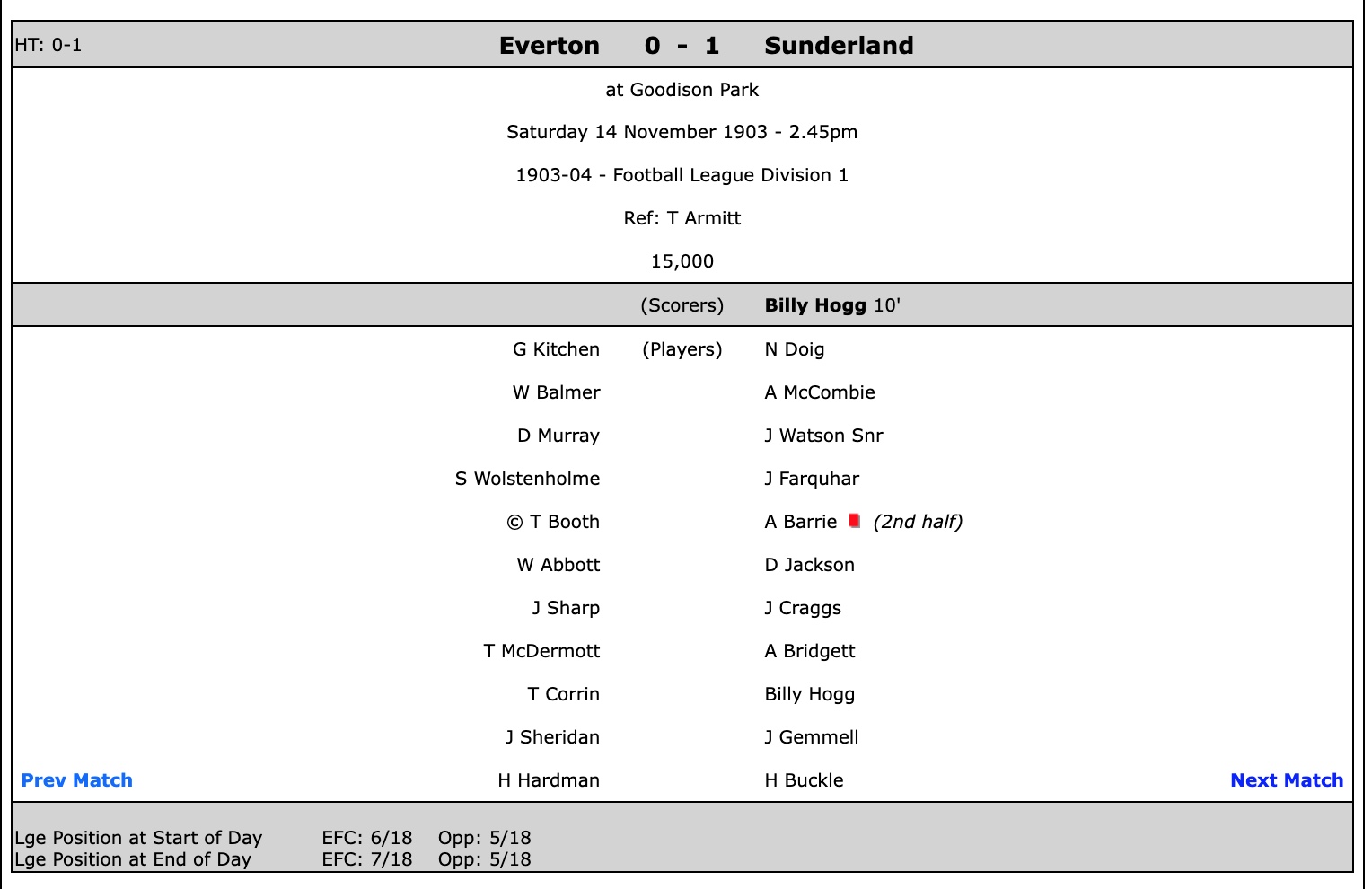
He made his Everton debut playing left-back in a 1-0 defeat at Sheffield Wednesday in November 1903, before playing his only other senior game for the Toffees the following week in another 1-0 defeat, this time to Sunderland.
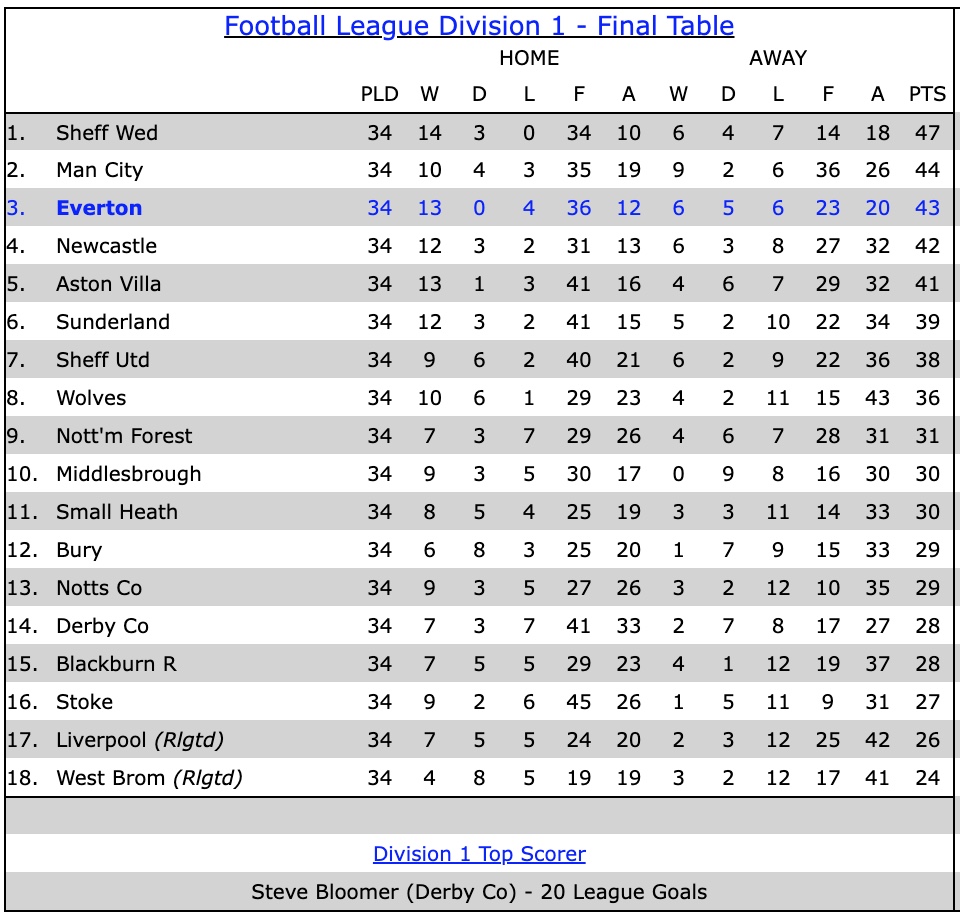
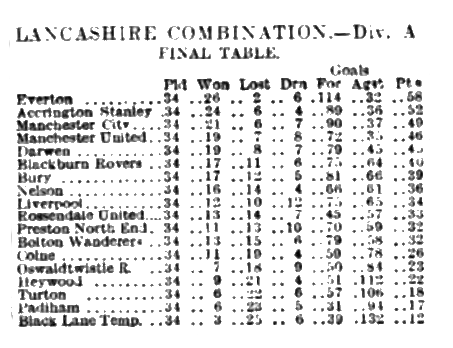
For the rest of his time at Everton, David regularly played reserve team football in a strong side which saw them finish on top of the table and him earning a Combination League Championship Medal in 1904. (The equivalent of the later Central League).
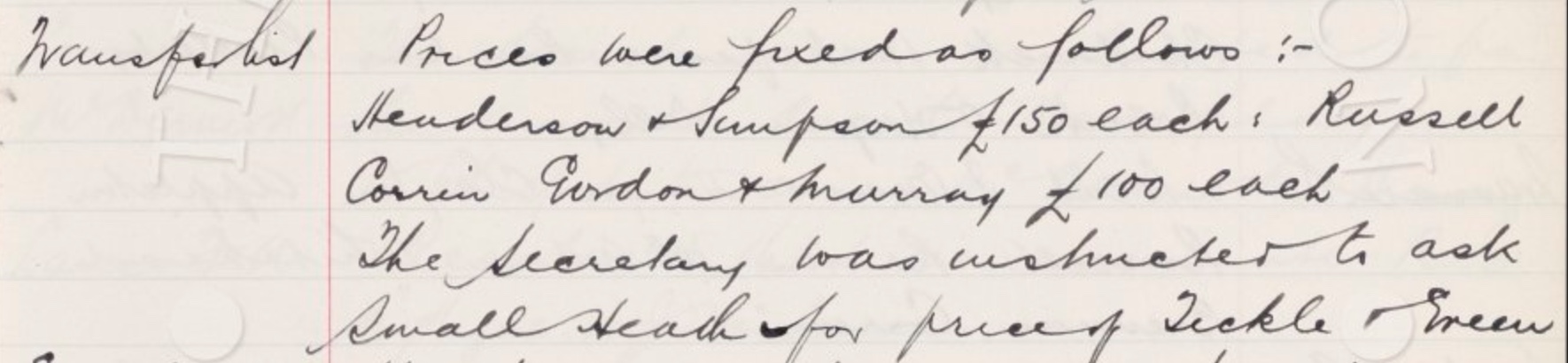
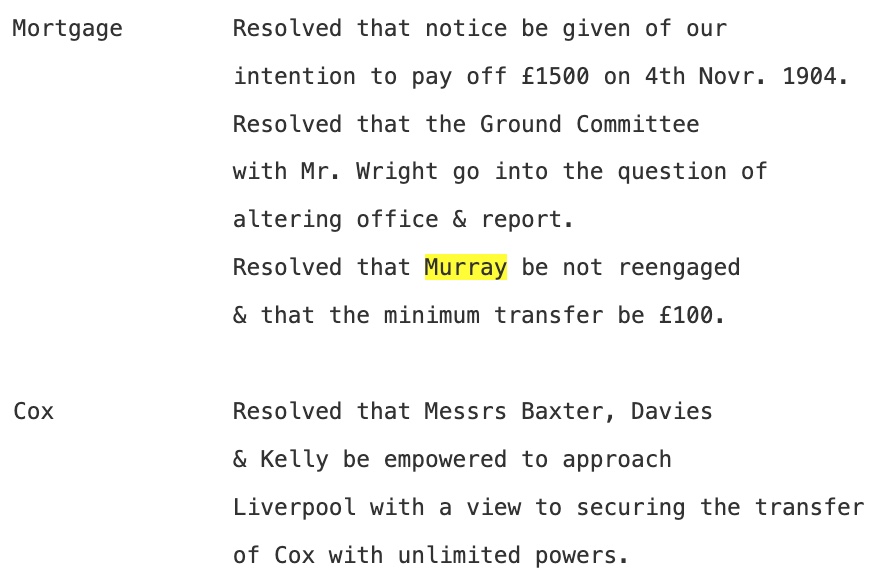
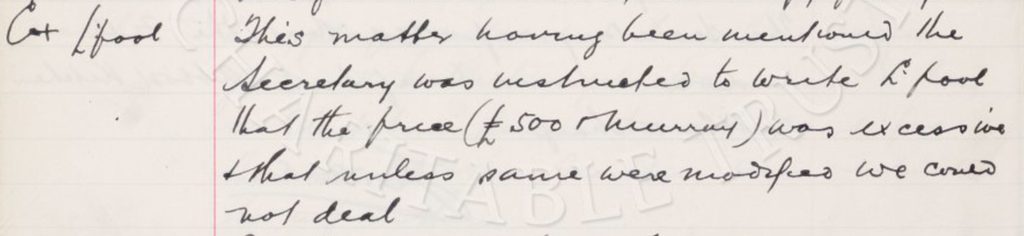
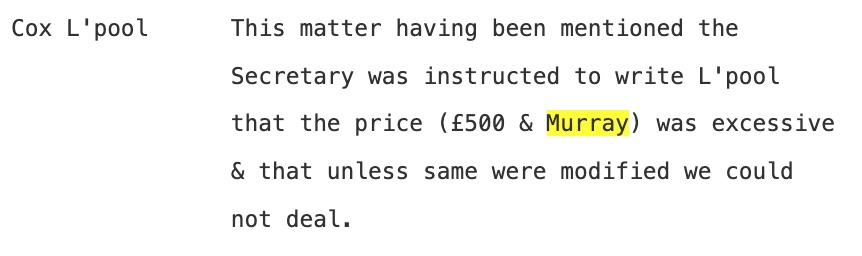
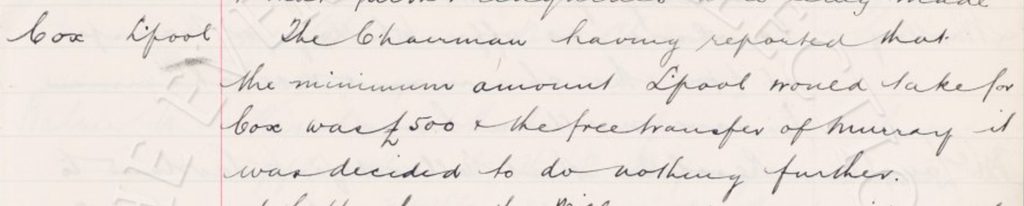
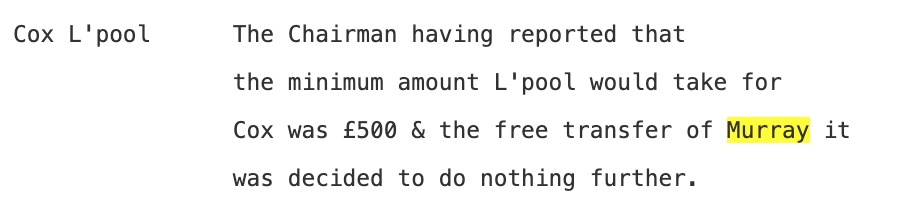
However, it was decided by the Board not to retain his services at the end of the 1903-04 season, which began a series of negotiations with other clubs, such as Manchester City who declined to pay the £200 asking price. Second Division Liverpool entered the pursuit, and offered their player Fox (who had recently scored against Everton in their 5-2 defeat at Goodison in April) plus cash to the tune of £500. The deal for Fox was rejected, nevertheless, the move eventually came off in August 1904, which saw Murray cross the Park to join the relegated Reds, (although they went on to win the Second Division Championship in 1904-05).

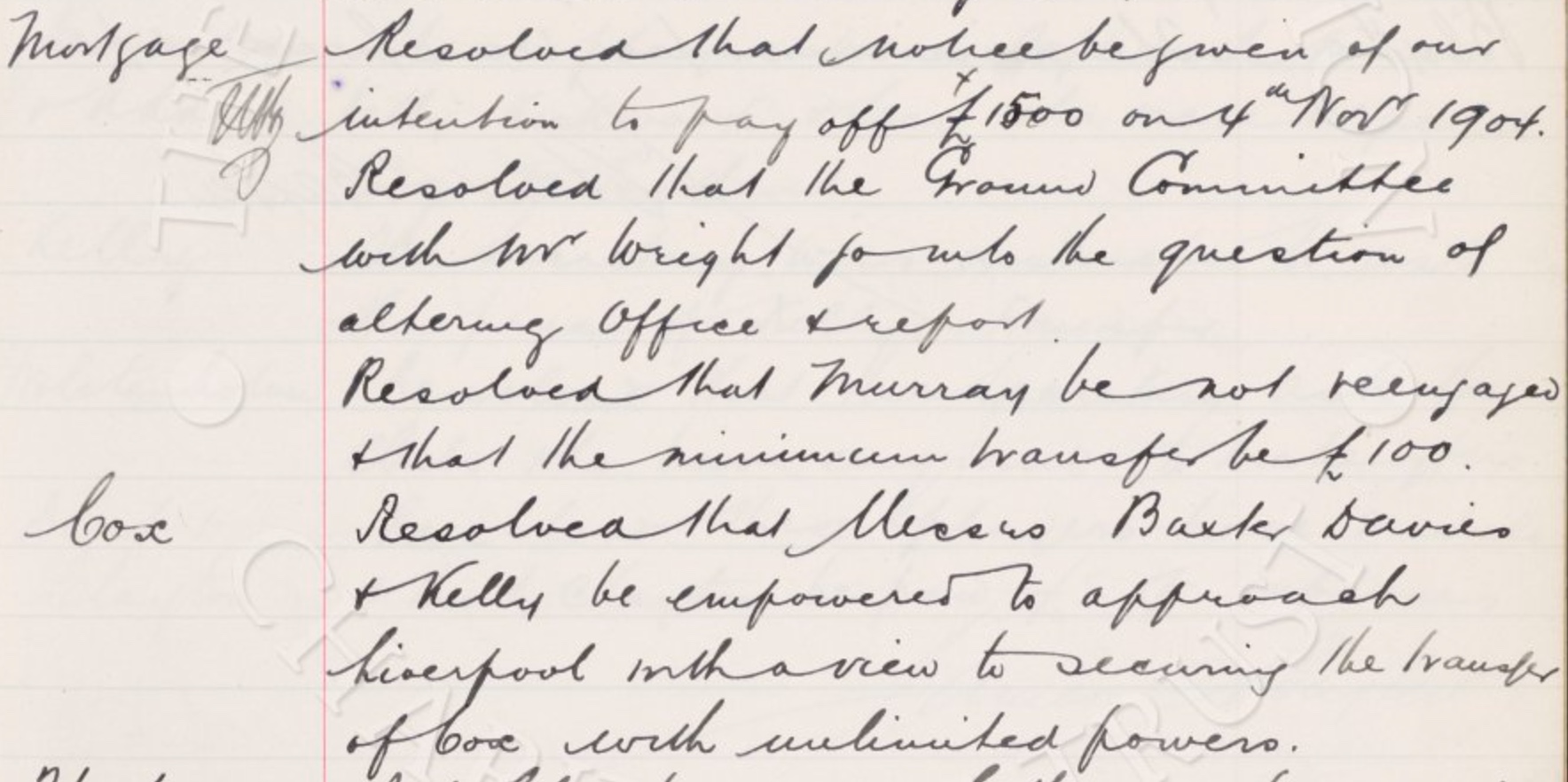
Liverpool
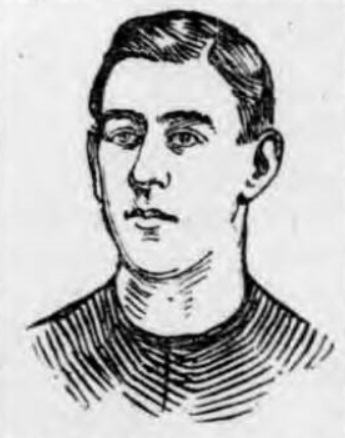
After making twelve appearances at right back during the 1904-05 season, Liverpool returned once more to the top flight, but unfortunately for Murray, he would again have little experience of it, playing only three games, all in September 1905, before he was released once more. It was no doubt a source of disappointment for him to see Liverpool go on to win the Championship that season without him.
However, newly elected Leeds City were on the hunt for decent defenders for their expanding squad. Later, on 20 December 1915, The Yorkshire Post and Leeds Intelligencer wrote about his next move,
Early in the history of the Leeds City club, the latter’s directors were in search of a full back to partner their first captain Ray, and on approaching the late Tom Watson of the Liverpool Club, that excellent judge of a player, consented to transfer Murray, for whom there was no permanent place at that time in the Liverpool team. Murray was a powerfully built young man and a fine kicker, and there was disappointment among the City club’s followers, when after three or four seasons he was allowed to drop out of first class football.
Leeds City
Second Division newcomers Leeds City (who had only been elected to the expanding Second Division on 29 May 1905), paid Liverpool £150 for Murray in December 1905, and thus began the next phase of his life living and working in Yorkshire.
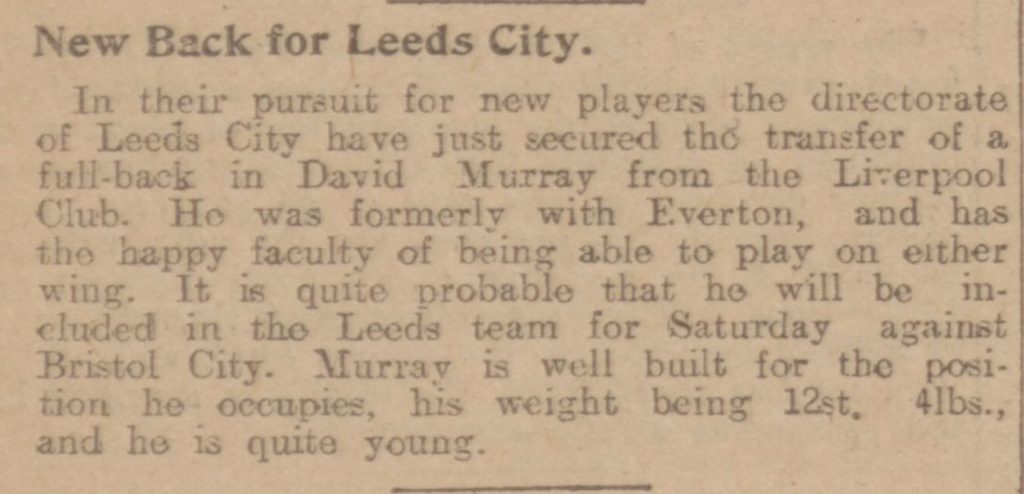
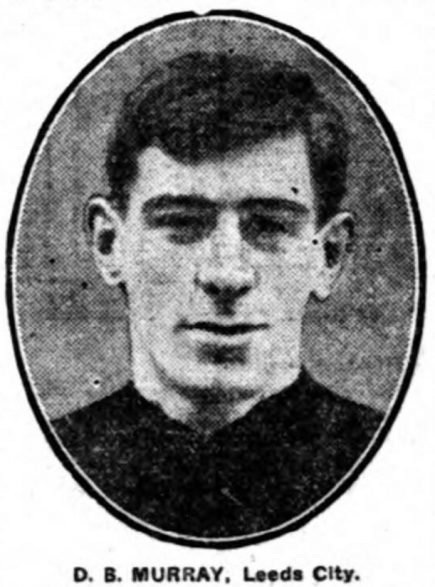
He established himself from the moment he arrived, featuring in ten consecutive matches playing in both full back positions. He became City’s penalty taker, scoring his first in a 4-1 defeat of Leicester Fosse on 20 January 1906. Murray missed three games in February, but ended his first season for City with three goals from twenty-three appearances, having secured his position as a mainstay of the side. In the 1906-07 season he was appointed captain of Leeds and he continued to perform consistently. It would seem he had finally found his level where he would be one of the first names on the team sheet.
However, fate intervened once more, and he missed numerous games between December to April 1907 through injury. The following season he was again a regular choice and renewed his solid partnership with Harry Kay, missing only four games. However a cartilage injury sustained in a Good Friday match at Chesterfield in April 1908 kept him out of first team action until the following January of 1909.
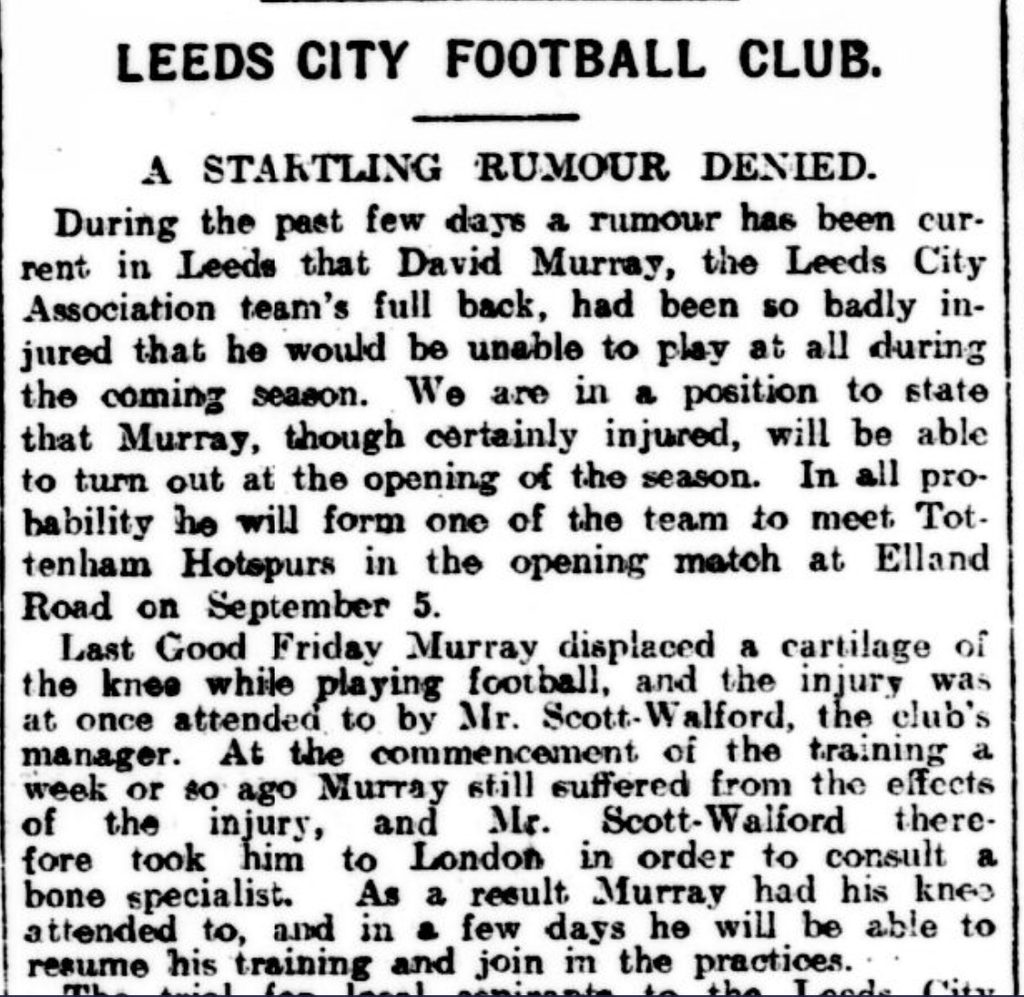
This was far too optimistic. Murray found it difficult to return to full fitness, and his prolonged absence was explained by the Yorkshire Evening Post of 17 October 1908, ‘David Murray, who has been the mainstay of the City Club’s defence since since he joined it, is still down with knee trouble, which has kept him hors de combat since the season opened. Originally a displaced cartilage was the trouble, but this has been followed by synovitis*, and Murray has recently been practically unable to walk. It is feared he will not be fit for football for several weeks to come.’
[*Synovitis is the inflammation of the synovium (the soft, inner membrane that lines joint capsules, and produces lubricating fluid) which can also occur while resting. It would have been essential for Murray to keep exercising while recovering from his cartilage operation).]
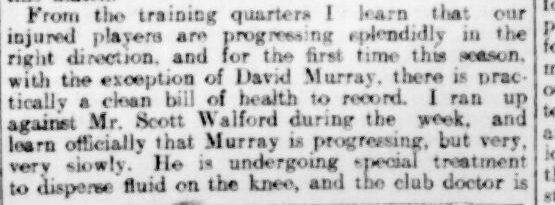

3 October 1908
Murray finally returned for a reserve game ‘try out’ on 19 December 1908, in a 2-3 defeat against Worksop at Elland Road, but was clearly still short of match fitness. It would not be until the new year before the Elland Road faithful would witness his defensive reliability once more in the First XI,
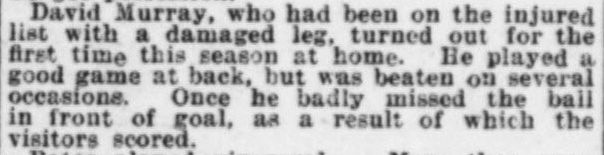
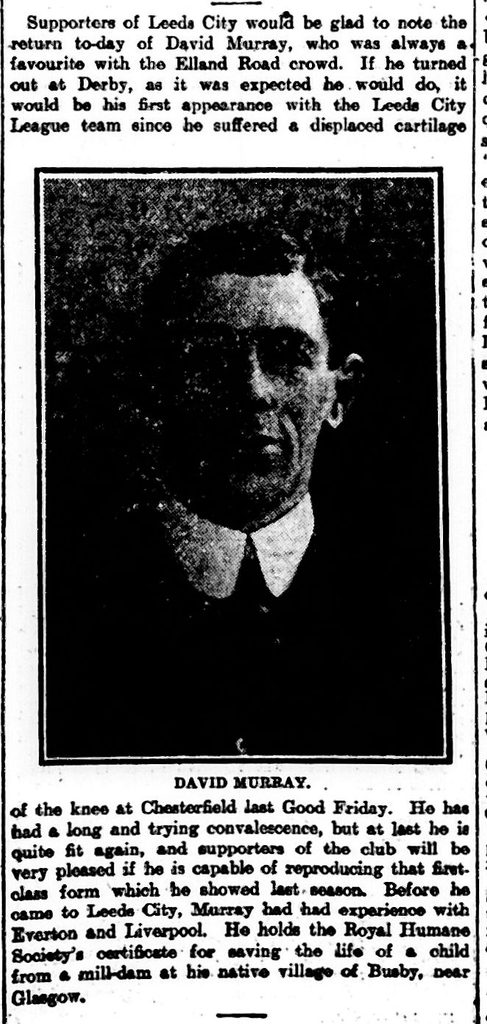
Murray returned for this game against Derby County on 23 January 1909. Yet the club felt the injury had affected his game and he was not the player he once was. He was only selected twice more after his comeback, and after a total of 85 appearances and seven goals for Leeds City, he moved further south in Yorkshire to Mexborough (near Doncaster) where he signed for Midland League club Mexborough Town in late August 1909.
Mexborough Town
He soon settled in making a successful start, and quickly became a crowd favourite once more. Meanwhile, he found lodgings with the family of Elizabeth Sleight at 13 Garden Street in Mexborough.
Later that season in a marathon three-game cup tie, it seems Murray’s frustrations finally got the better of him,
Players Banned after Fisticuffs in FA Cup match
An important meeting of the Divisional Committee of the F.A. Council was held at Sheffield Thursday week, to consider our report by Mr. T. Garner, referee (Barnsley) bearing upon an unpleasant incident in the second re-play between Denaby United and Mexborough in the F.A. Cup. Nimrod, of Denaby, and Murray, of Mexborough, came to fisticuffs, and, the facts being proven, Nimrod was suspended tor a fortnight, and Murray for month.The committee further considered that there was no justification for the charge of incompetency made by Mr. Dunn, secretary of Denaby United, against the referee.
Barnsley Chronicle, 8 January 1910
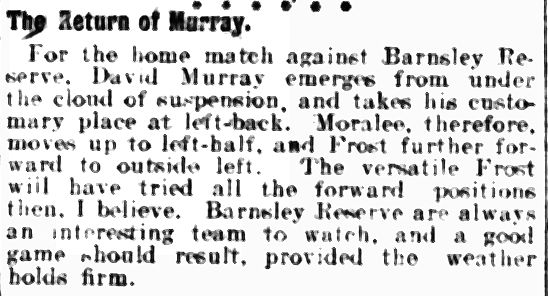
Murray was a popular an ebullient character, with a great sense of humour, and reportedly liked a drink or two, but it sometimes got him into trouble – but he may have been out of sorts on this particular evening, given that he’d only just become available for selection again after the cloud of his month-long ban,
At Doncaster on Saturday, David Murray, footballer, Mexborough, was summoned for being drunk and disorderly. Constable Napier stated that the defendant was staggering along the footpath, and people had to get off the path out of his way. The defendant, who did not appear, was fined 7s 6d* plus costs. [*About £75 today]
Liverpool Echo, 7 March 1910
This fine would have been a significant sum for Murray’s misdemeanour – as a footballer in the non-league tier, he had been signed on amateur terms, and during his time at Mexborough Town he was also working as a coal miner to maintain his income (thought to be Frickley Colliery, as he played a few games for them towards the end of his career in 1913). Yet although alone and without family, he found stability and support in his new home through his relationship with his landlady Elizabeth Sleight, which had become more like a mother and son. So much so, that she legally adopted David as her son before the onset of war.
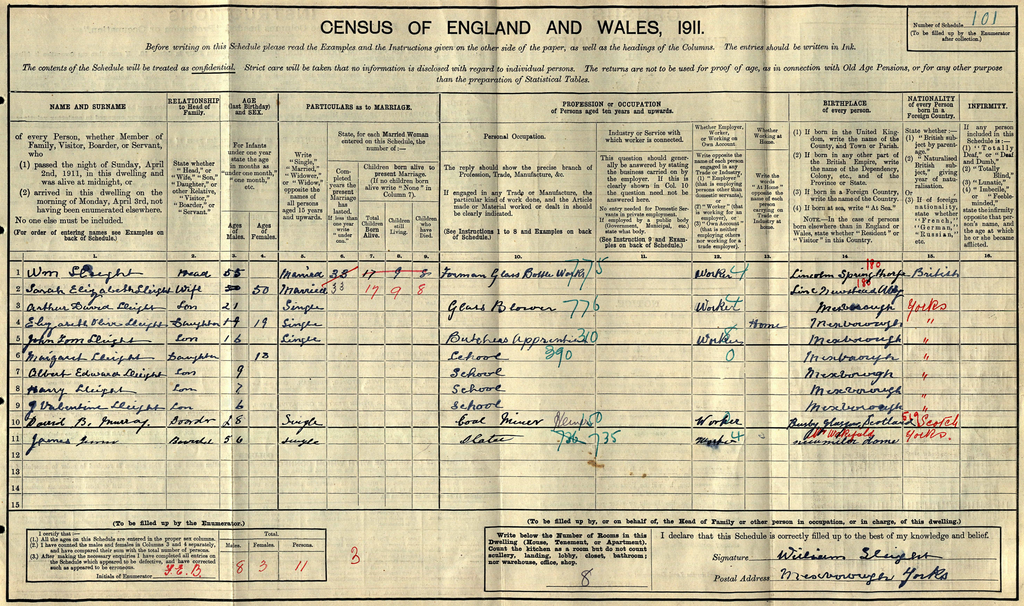
The home of Elizabeth Sleight, showing David Murray as a boarder
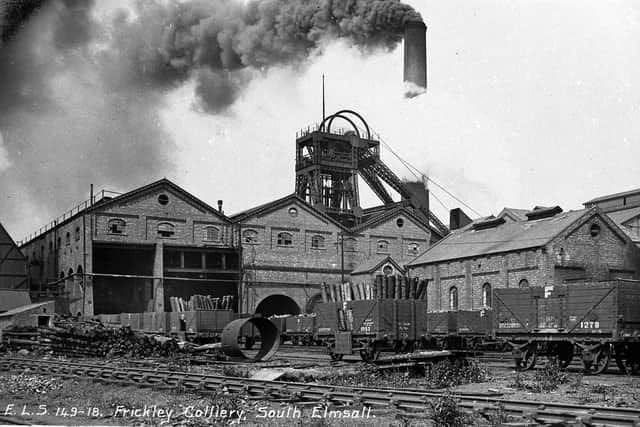
So David continued to live with the Speights, while working in the Frickley Mine and turning out for Mexborough Town at the weekend until 1913/14. But that settled routine was soon to face upheaval.
…………………………………………………………..
First World War
Three weeks after the outbreak of the First World War, Murray enlisted as a Private in early September 1914 with the 11th (Service) Battalion, Princess Louise’s (Argyll & Sutherland Highlanders). The 11th Battallion had been formed at Stirling in September 1914, as part of Kitchener New Army Battalion (K2) and came under orders of 45th Brigade in 15th (Scottish) Division.
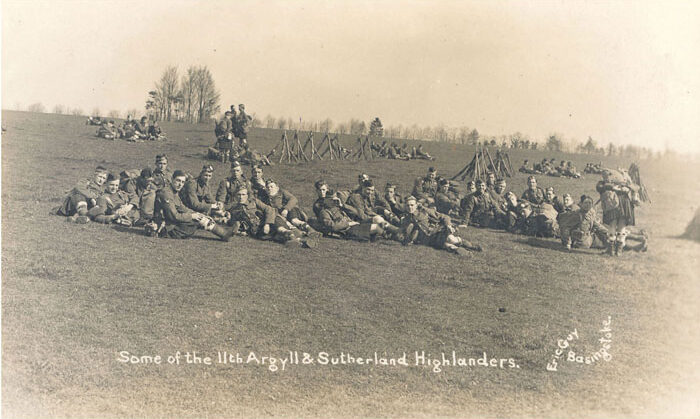
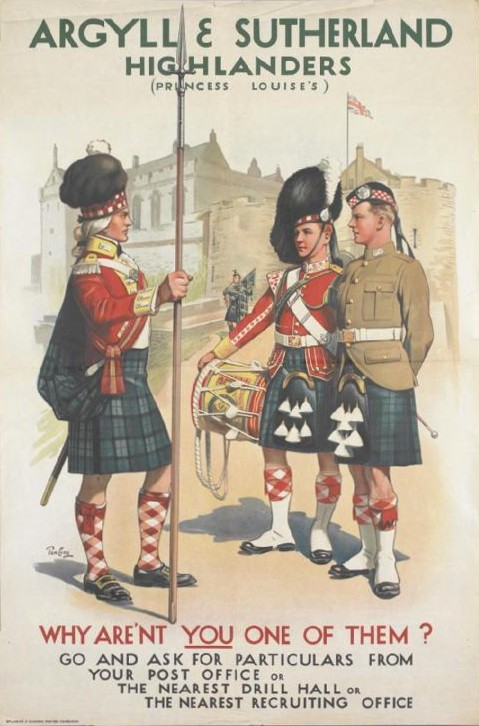
Training commenced almost immediately, moving to Aldershot, followed by a move to the relief camp at nearby Bramshott in November. In February 1915 they relocated to Basingstoke for further training, then to Chisledon in April. Finally, orders came through in June 1915 that the battalion would be shipped out to France, and by 9 July they had landed at Boulogne.
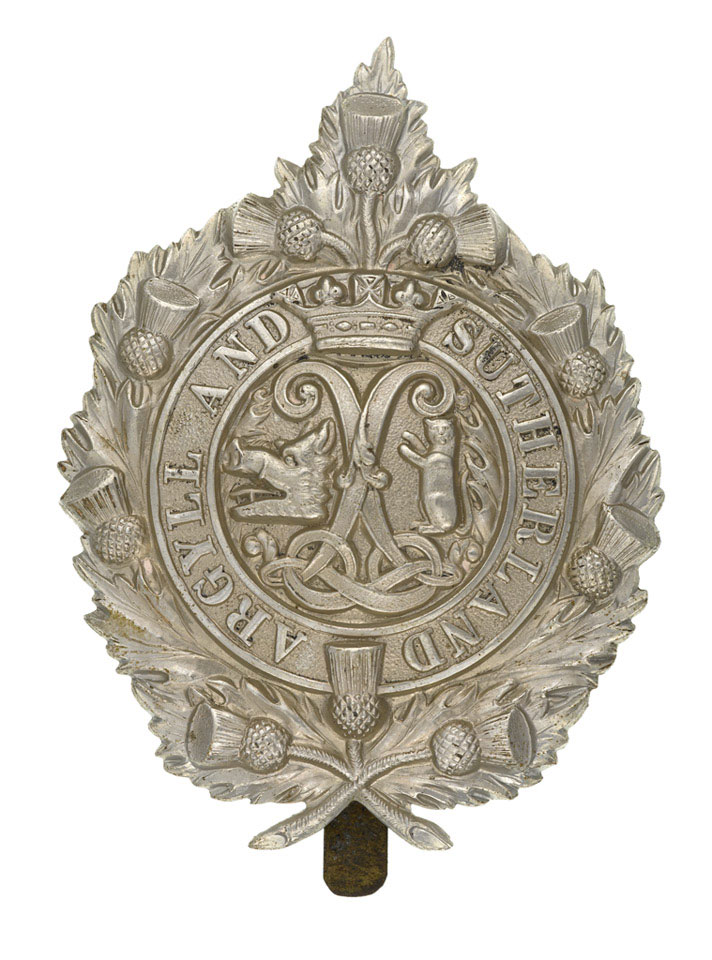
Murray’s battalion were soon involved in the thick of the action, when on 25 September 1915, the Allies launched a new joint attack. The French offensive was concentrated in Champagne and Artois, while the British fought at Loos.
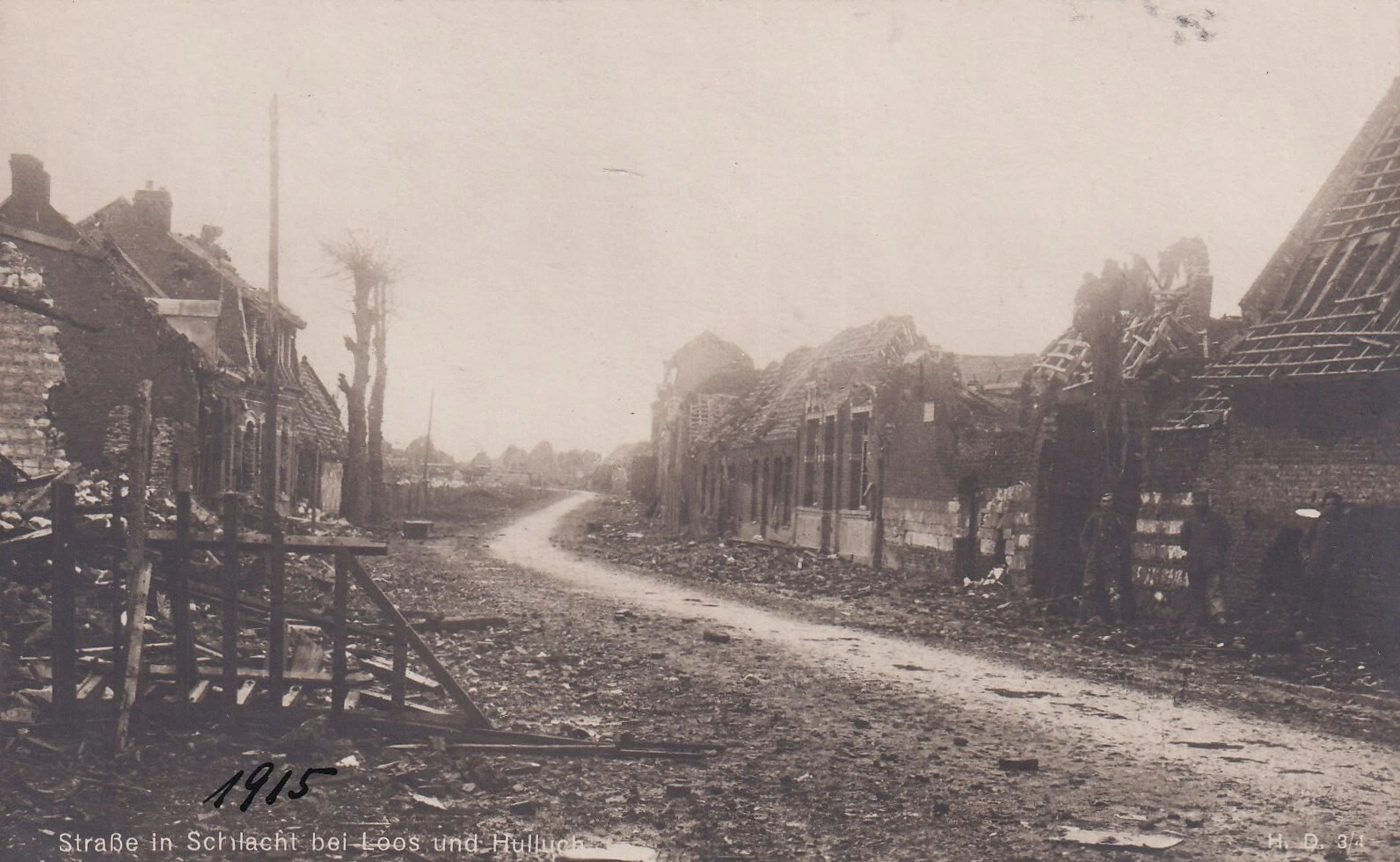
At the time, it was the largest British offensive of the First World War, and witnessed the Army’s first use of gas. Despite heavy casualties, by the end of the first day, the troops had succeeded in breaking into the enemy positions near Loos and Hulluch.
However, the new found gains were not to last, and owing to supply and communications problems, along with the late arrival of reinforcements, the breakthrough could not be exploited. The attacks stumbled to a halt, and by 28 September the British had been pushed back to their starting points.
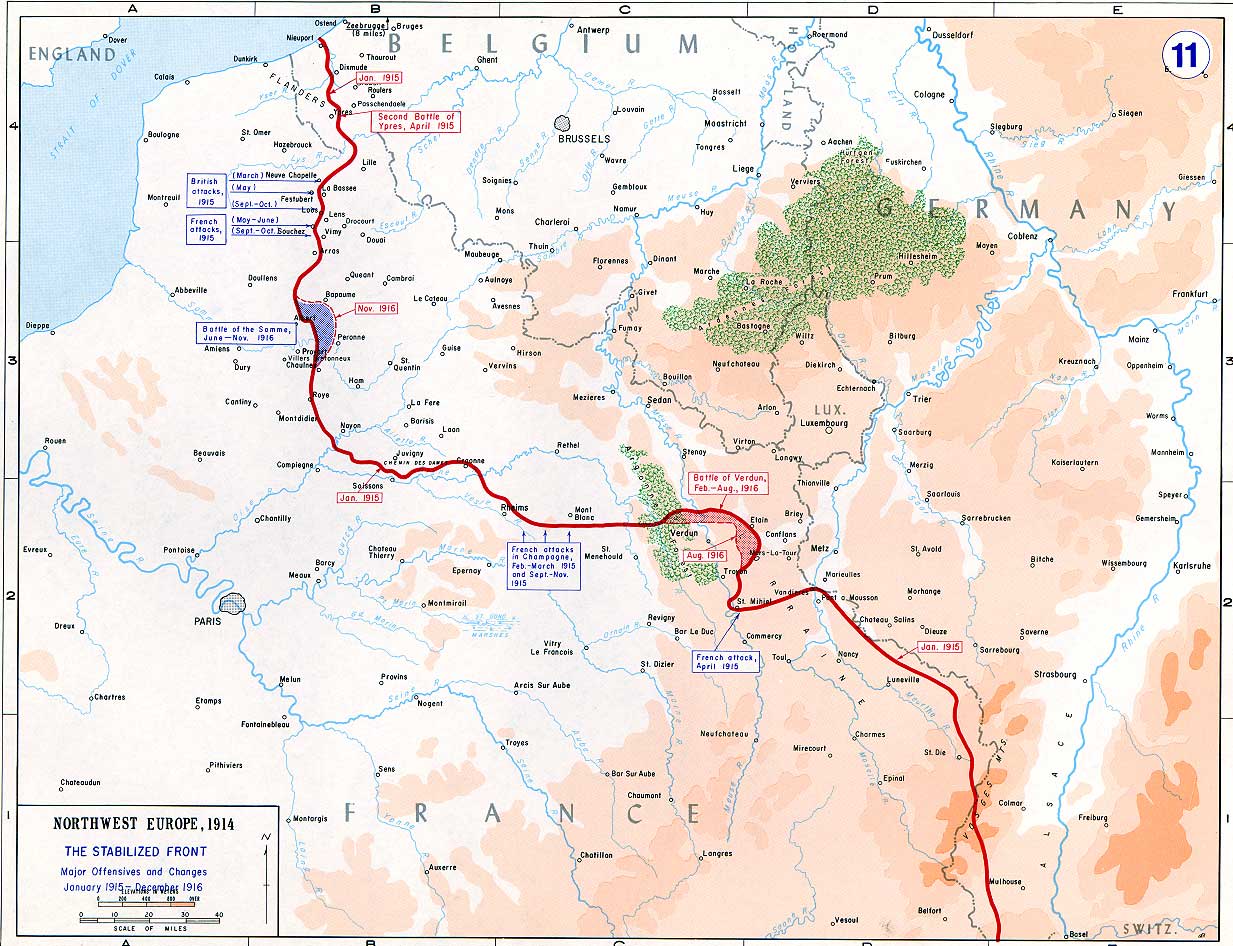
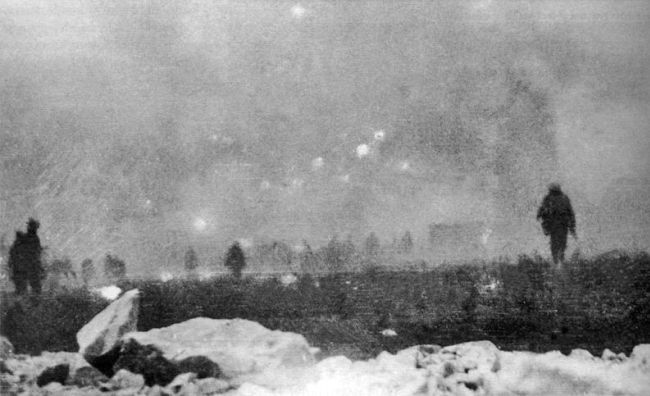
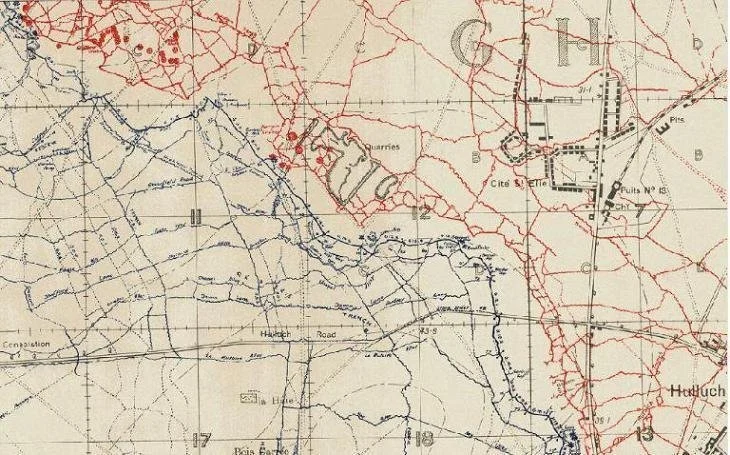
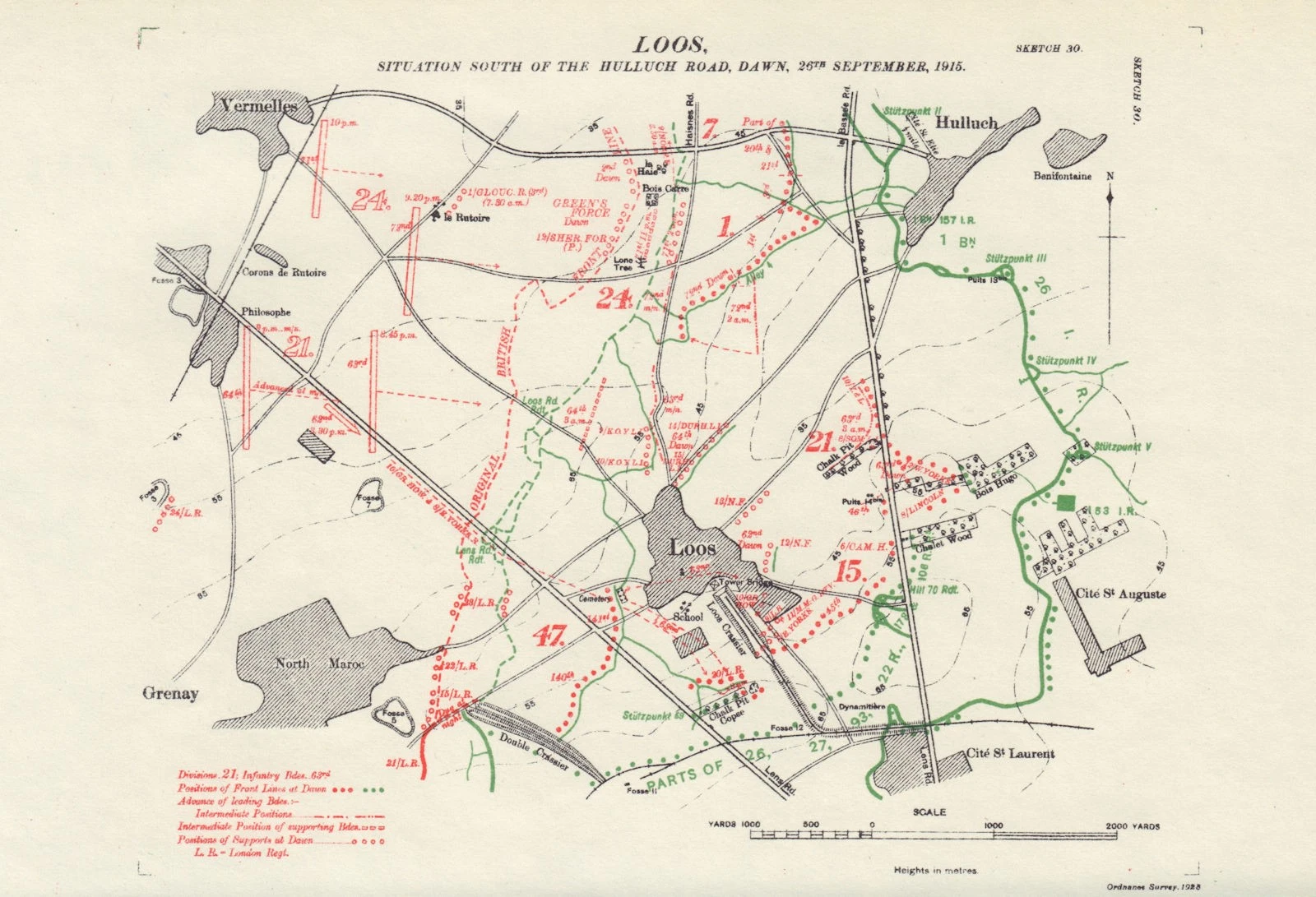
Private Murray came through this intense battle and the assault on Hill 70 unscathed, and on 3 October 1915, the division was moved into reserve lines to recuperate following the Battle of Loos. After this short respite, they spent time until 19th repairing communication trenches around Houchin and Hallicourt, but this coincided with a break in the weather, and heavy rain soon turned the area into a quagmire. By the 19th, the division moved back into the front lines with the Argyles occupying the Quarries sector (shown on the maps below).
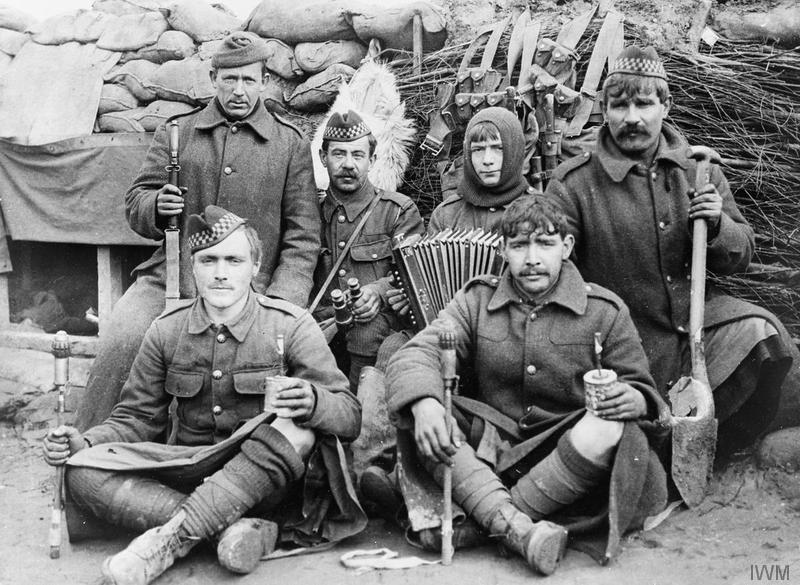
This became the routine – a continuous round of turns in the front line, support, and reserve. A usual stint in the the front line was twelve to fourteen days, followed by six to eight days at Noeux Les Mines as Divisional Reserve, where training and reorganisation could be effected.
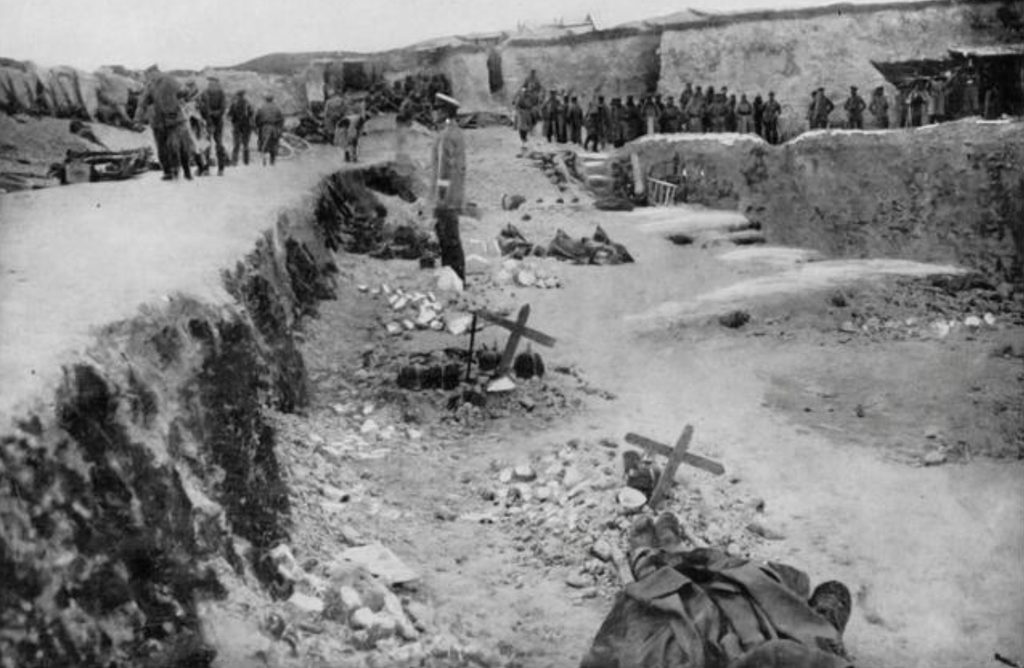
Conditions at the front had deteriorated quickly. The trenches were all too shallow to offer adequate protection, they were overlooked by the enemy, and drainage non-existent. All had to be dealt with by the Division, which included the 11th Battalion. Equipment abandoned during the battle had to be recovered, as well as those men lost in the action, to ensure they had a decent burial – and all this under constant enemy shelling.
.
Killed in Action
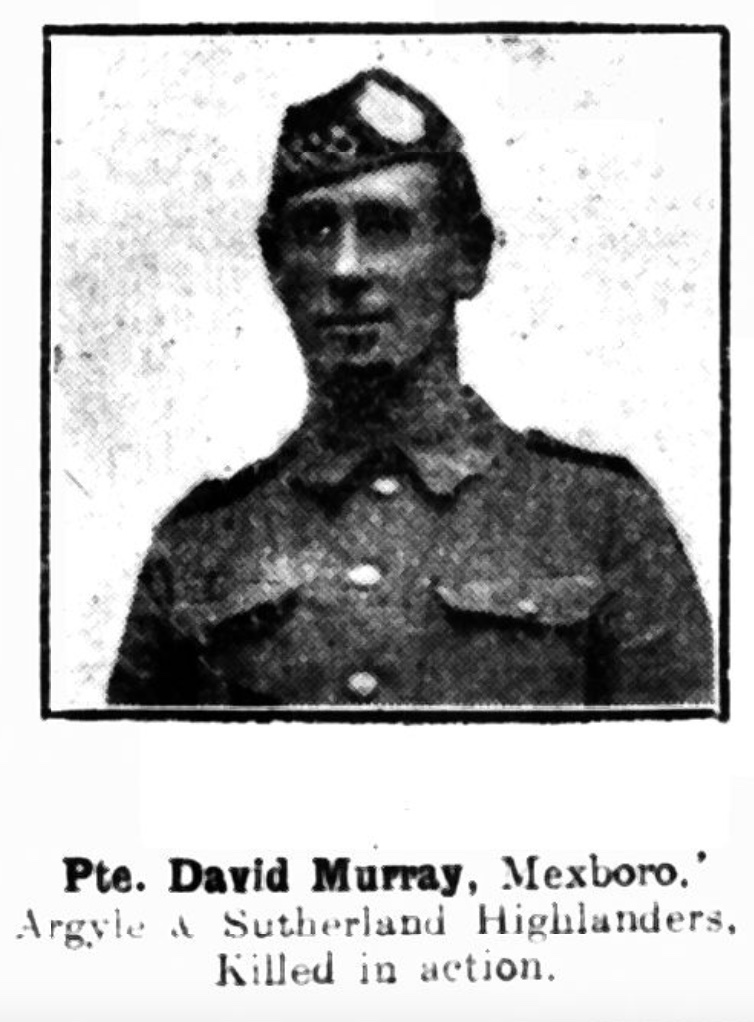
This round of duty continued into December, when Private Murray appears to have been a casualty of this routine trench warfare, when an exploding shell ended his life on 10 December 1915, probably in the Quarries area near Hulluch. He was twenty-eight. Precise details are unknown, but he may have been given a burial at the time, but in the devastation of the landscape over the coming months and years, he is now listed as having no known grave. His name appears on the Loos Memorial to the Missing at Dud Corner.
At home, David Murray had not been forgotten on Merseyside, despite the limited number of appearances for both clubs. On 18 December 1915, his death was reported in the Football Echo,
MURRAY’S DEATH
There has been a lot of football chat accumulating this week-end. Most of it is exclusive to the Football Echo as was the announcement this morning of Murray’s death. Murray’s death is a blow to the Argyll Sutherland Highlanders. David Murray was immensely popular with them, and his quaint humour and unfailing readiness to give assurance to anyone were points in his trench life that make his leave-taking sorrowful. He was killed by a shell this week, and news of his death will be received by the Mersey city and Leeds with deep regret. He played left full-back for Everton and Liverpool about six years ago at the time ‘Teddy’ Doig kept goal for Anfield and though his stay at Goodison Park was short, he was for some time with Liverpool after which he went to Leeds City, where his big punt was enjoyed by spectators. A lusty back, he lacked speed, and that was why he never became a topper. Murray had gone through the Battle of Loos and Hill 70 without a scratch says my informant.
Liverpool Football Echo,18 December 1915
FORMER LEAGUE PLAYER KILLED
News has been received in Liverpool of the death in action in France of David Murray, who was prominent figure in English league football a few years ago. Murray came from Scotland and his first club Newcastle United. He spent a short period with Everton and a long period with Liverpool, after which he did Leeds City good services. Murray has been through the Battle of Loos and Hill 70 without getting a scratch. His death was taken through a shell bursting near him.
Birmingham Daily Post, 20 December 1915
.
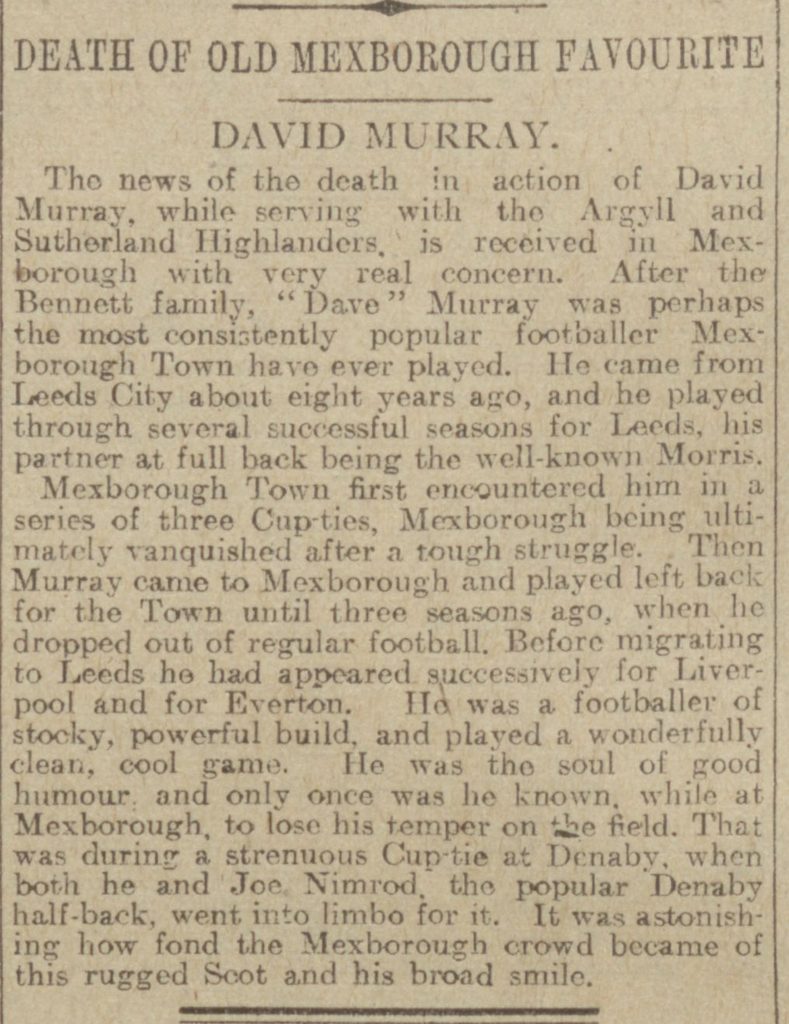
Understandably, the most detailed obituary came from the local press in Mexborough,
‘DAVE’ MURRAY KILLED
Popular Footballer’s Sad Fate
Intimation as been received of the death in action of Pte. David Murray of the 11th Battalion Argyle and Sutherland Highlanders, and the news is received with genuine regret in Murray’s large circle of acquaintances in the Mexboro’ district. The ill-fated highlander will be remembered for many years here as one of the best full-backs who ever came into the district. He threw in his lot with Mexboro’ Town some eight seasons ago, after several successful seasons in the best class of football; namely with Everton, Liverpool and Leeds City. He was appearing for Leeds when Mexboro’ Town met the City in and English cup-tie and for red two replays before the Second Division team finally conquered. Murray was immensely popular with the Mexboro’ crowd from his first coming here. There was something about his humorous face and his broad scotch which attracted the Mexboro’ supporters and ‘Dave’s’ football, good or bad, was always heartily cheered. It must be said that his football was of a very high standard until the last season of his association with the Town – three seasons ago – when he seemed to let it slide and finally fell out of regular football.
He was of thick-set sturdy build, had no great turn of speed, but made up for this by his coolness and shrewdness. He was fearless, and had the knack of inspiring nervousness in opposing forwards without any suggestion of intimidation. He looked formidable enough on a football field, but he was as gentle and simple-hearted as a lamb. He was one of the most inoffensive players who ever donned the Mexboro’ colours, and relied rather upon his skill than his weight. His kicking – always long and low was his strong point. When he first came to Mexboro’ the club was a power in in local Midland League football, and enjoyed several good English Cup seasons. Later, the quality of Murray’s football declined, but never his popularity. Thousands of local football enthusiasts will be genuinely sorry to learn that poor, happy-go-lucky ‘Dave’ has gone under. The news was first received in Liverpool, where of course, Murray was well known. His home is in the Highlands, but while at Mexboro’ he lodged at 13 Garden Place. He enlisted 14 months ago and was sent to the front in July. He went through the Loos and Hill 70 engagements only to be ultimately by a bursting shell.
South Yorkshire Times and Mexborough and Swinton Times, 25 December 1915
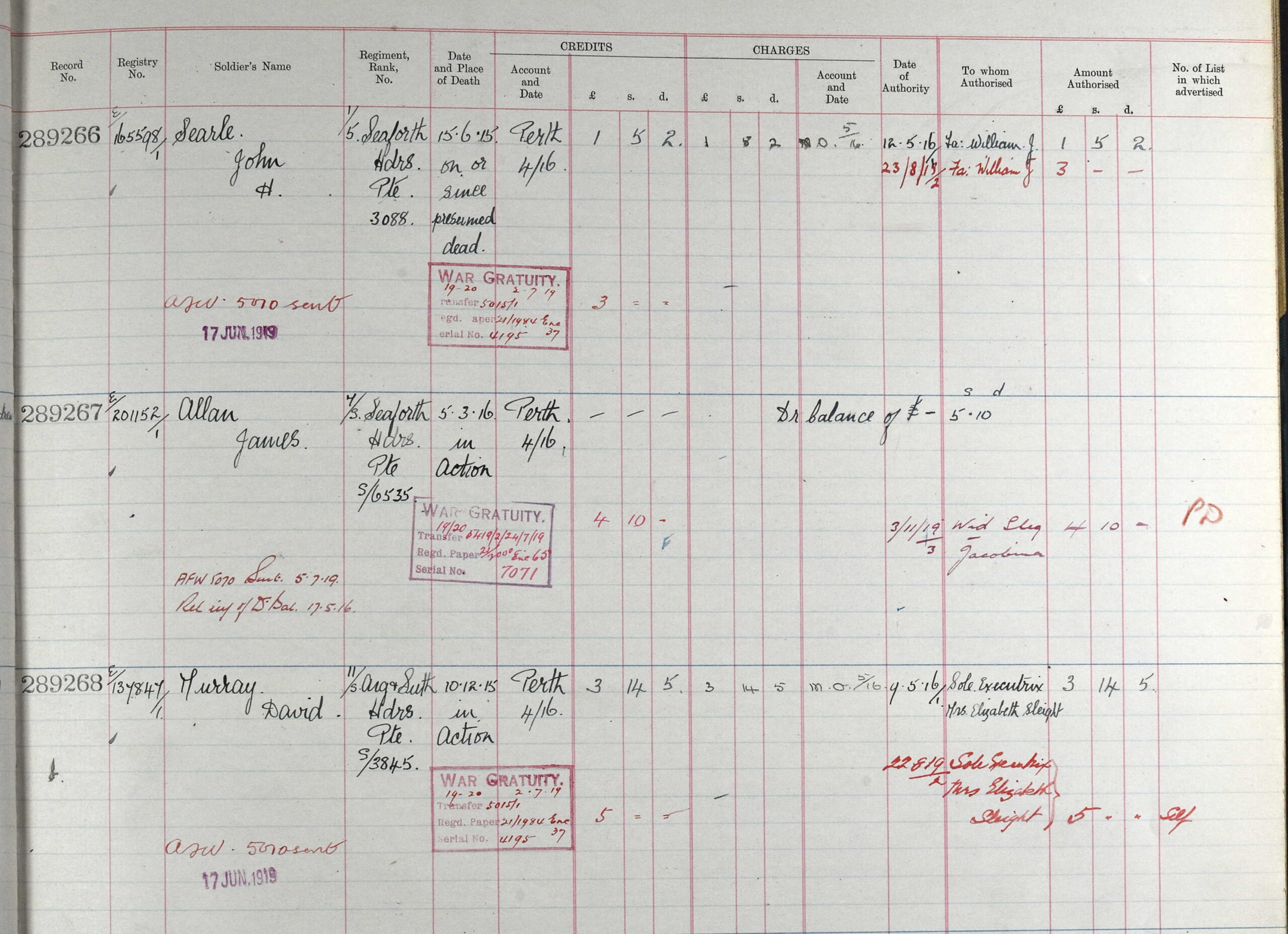
Service Medal Entitlement
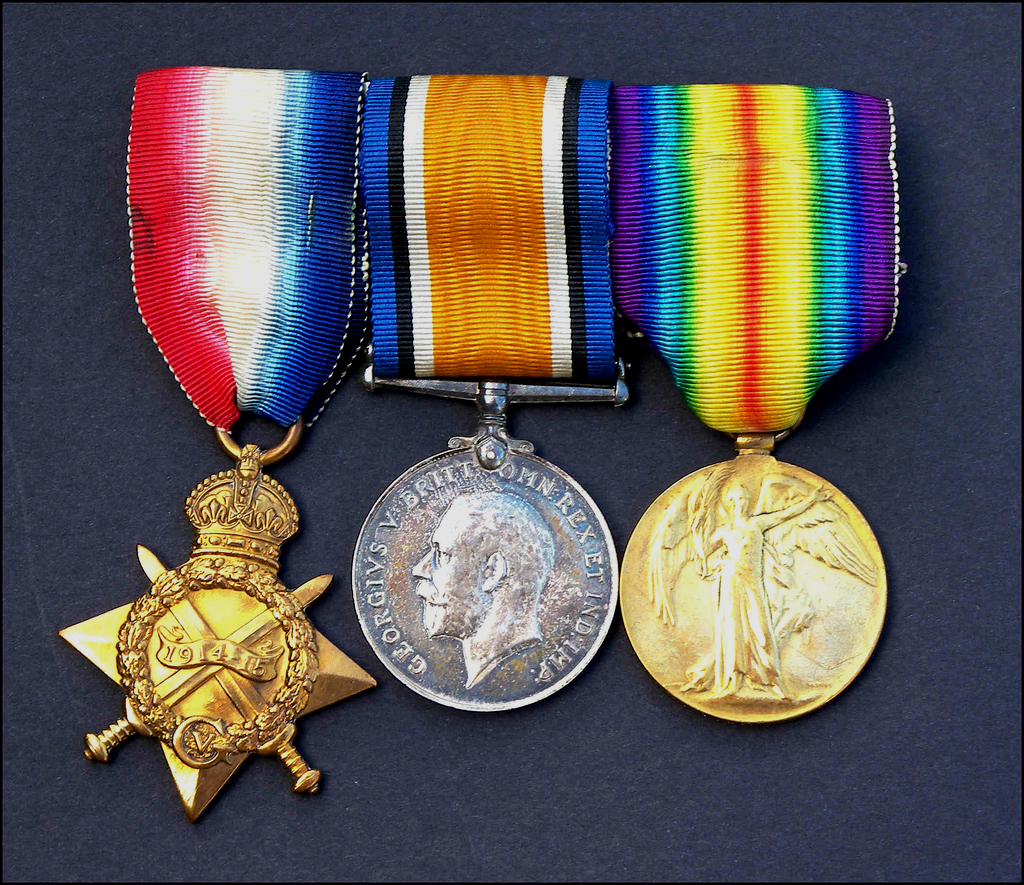
They were most likely sent to Elizabeth Sleight
Memorial Penny
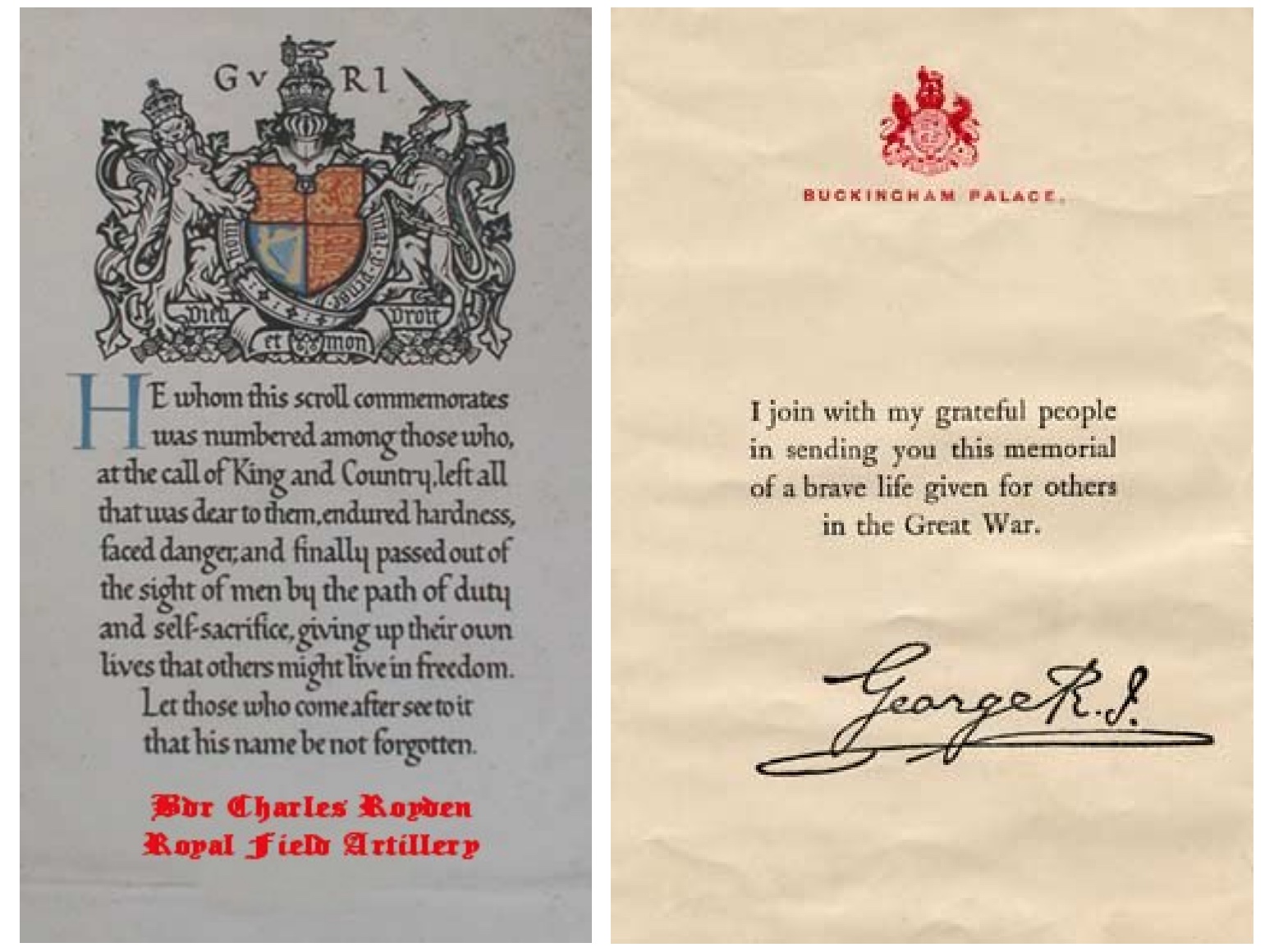
She would also have been in receipt of the ‘Memorial Penny,’ a large plaque bearing David’s name, and a scroll with a message from the King.
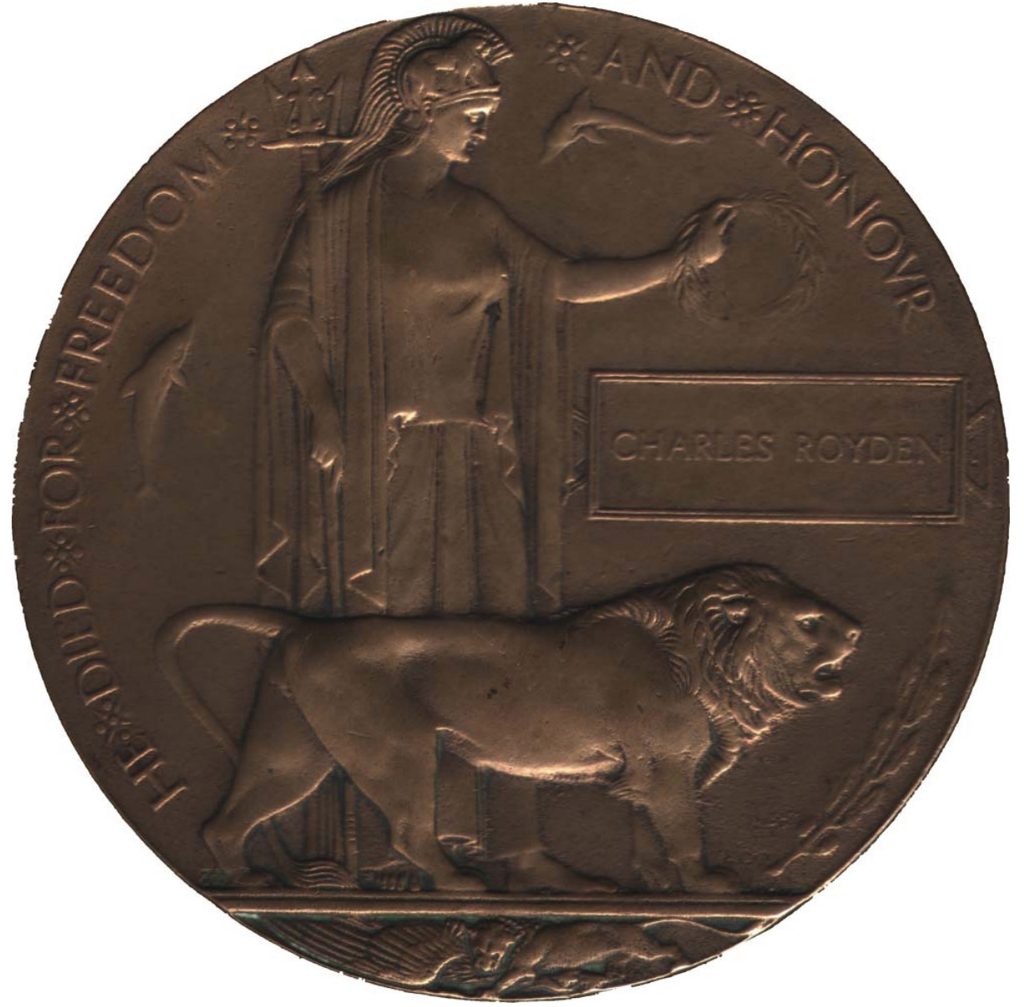
(this example was for my great-grandfather, killed in action on 22 March 1918 and sent to his widow)
Visiting the Battlefields
In June 2015, during a tour of the battlefields, the author visited several of the graves and memorials of the Fallen of Everton on the Western Front, both in Belgium and France. Private David Murray was one of those men where respects were paid on behalf of Everton FC Heritage Society.
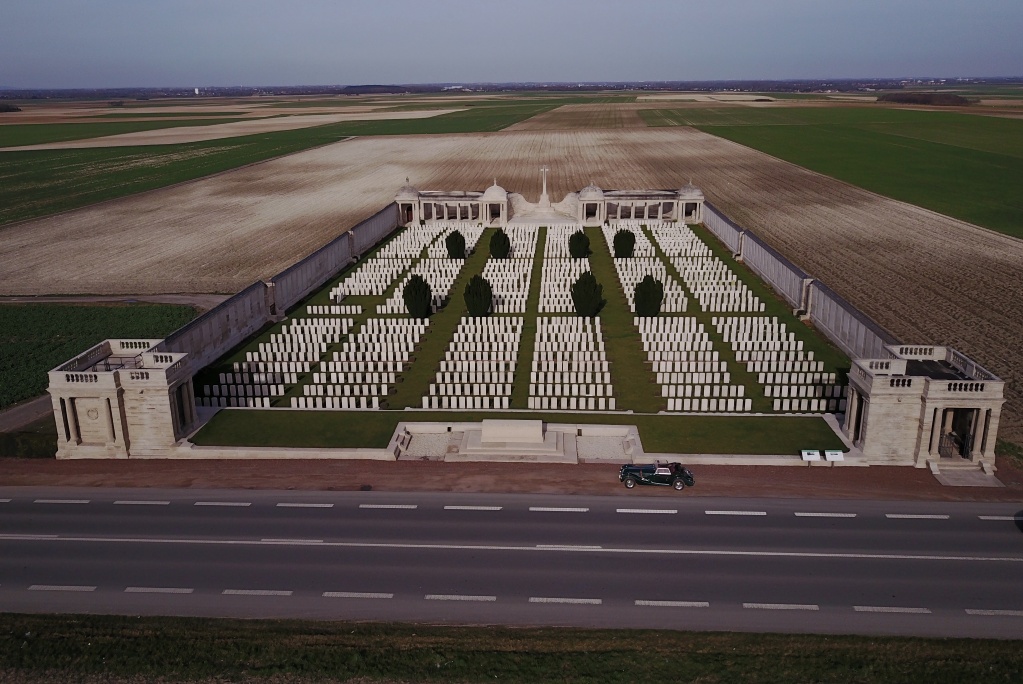
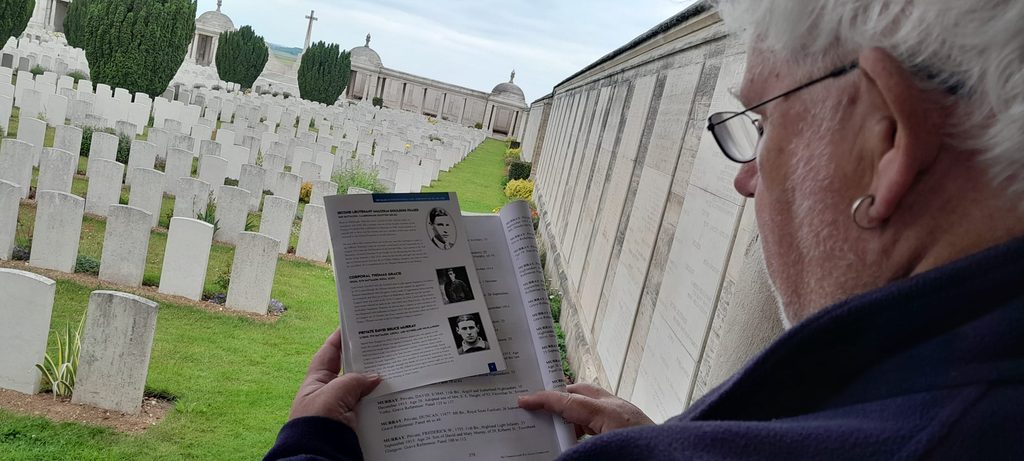
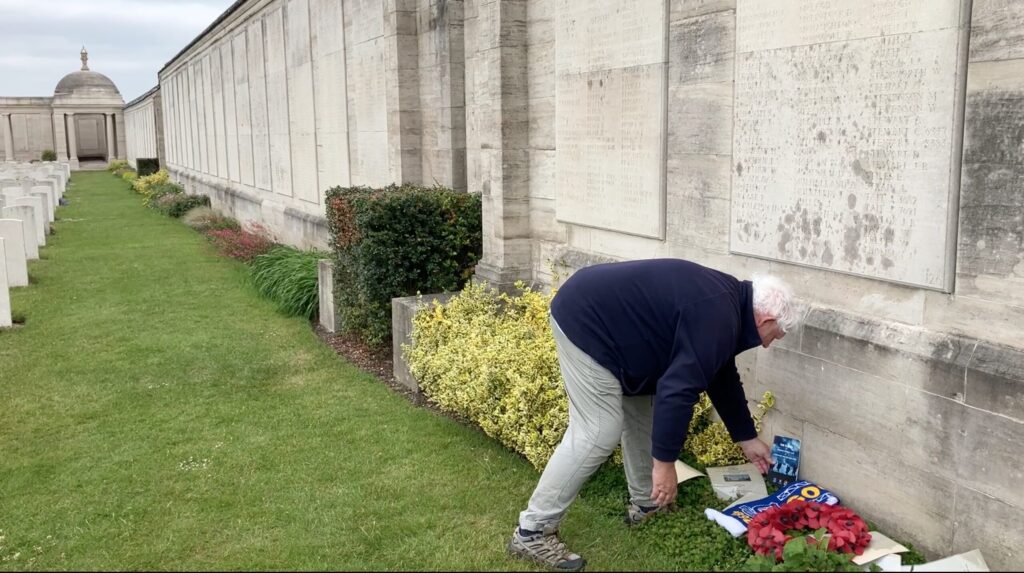
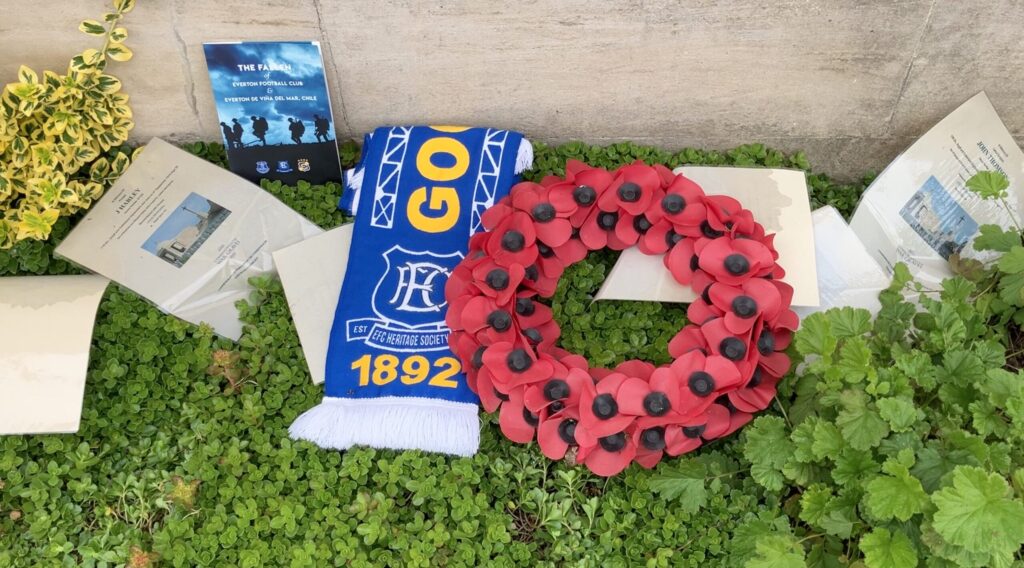
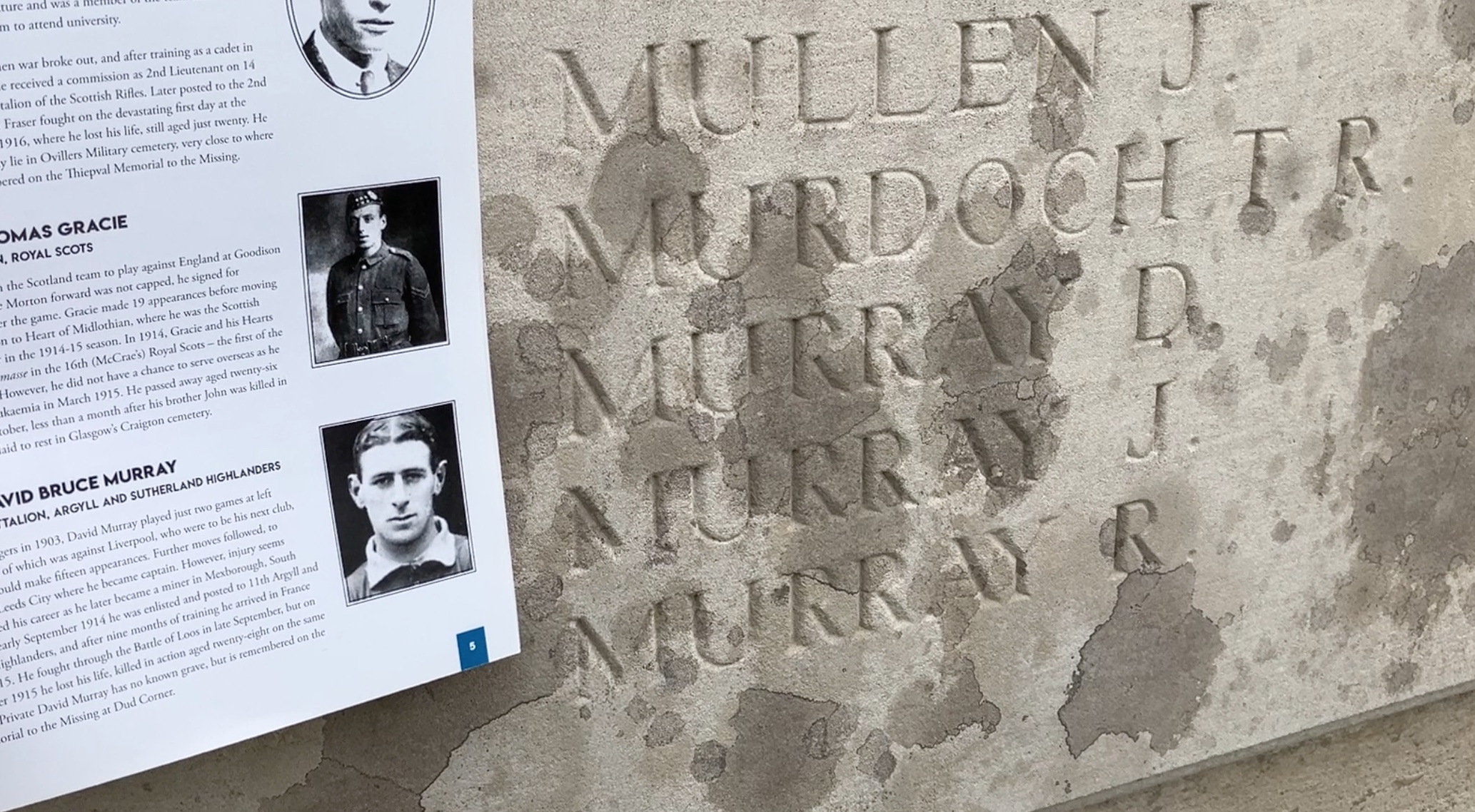
The name ‘Dud Corner’ is believed to be due to the large number of unexploded enemy shells found in the neighbourhood after the Armistice. The Loos Memorial commemorates over 20,000 officers and men who have no known grave, who fell in the area from the River Lys to the old southern boundary of the First Army, east and west of Grenay, from the first day of the Battle of Loos to the end of the war. On either side of the cemetery is a wall 15 feet high, to which are fixed tablets on which are carved the names of those commemorated. At the back are four small circular courts, open to the sky, in which the lines of tablets are continued, and between these courts are three semicircular walls or apses, two of which carry tablets, while on the centre apse is erected the Cross of Sacrifice. The memorial was designed by Sir Herbert Baker with sculpture by Charles Wheeler. It was unveiled by Sir Nevil Macready on 4 August 1930.
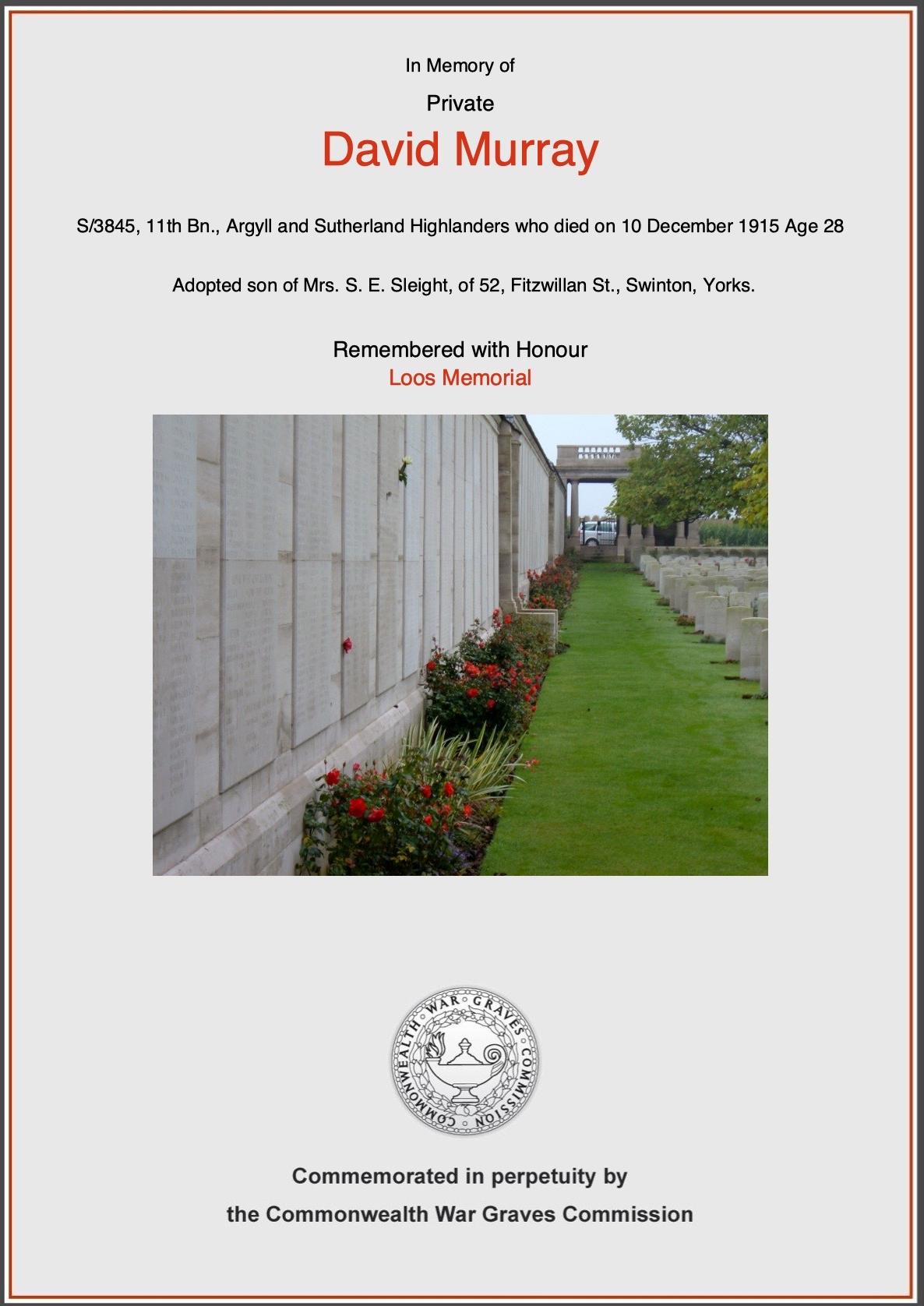
Everton FC War Memorial
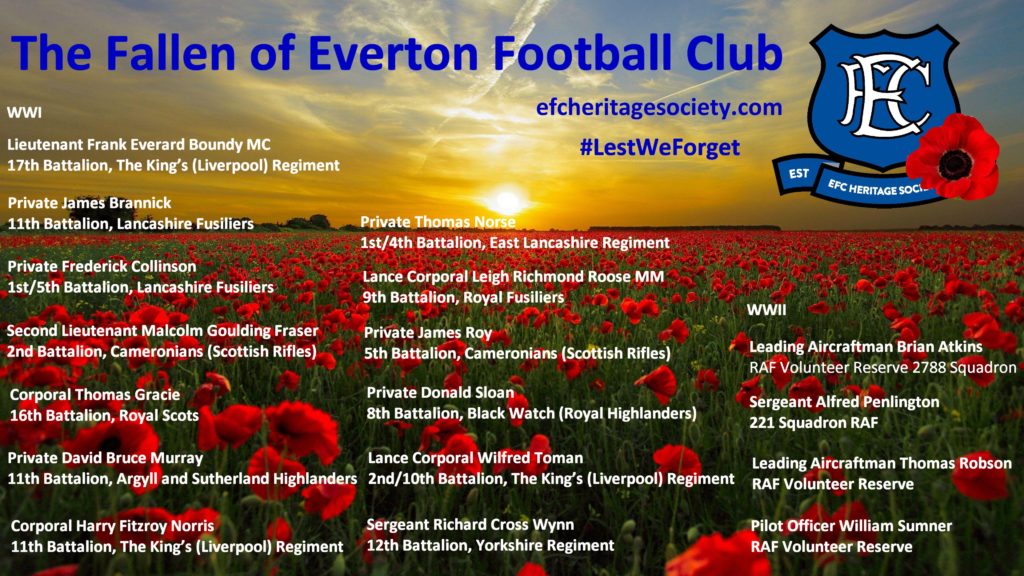
At the time of the installation of the Everton FC War Memorial plaques in the Stanley Park End memorial wall in 2011, David Murray’s name was not included. Research was yet to make the link between Private Murray and Everton. Nevertheless, research has continued unabated since that date, revealing several more names with an Everton connection. Private Murray is among those names, and in 2026 plans were put in place to install further plaques alongside the original memorials, listing all of the names so far. It is hope that his work will be completed at Goodison Park in early 2027.

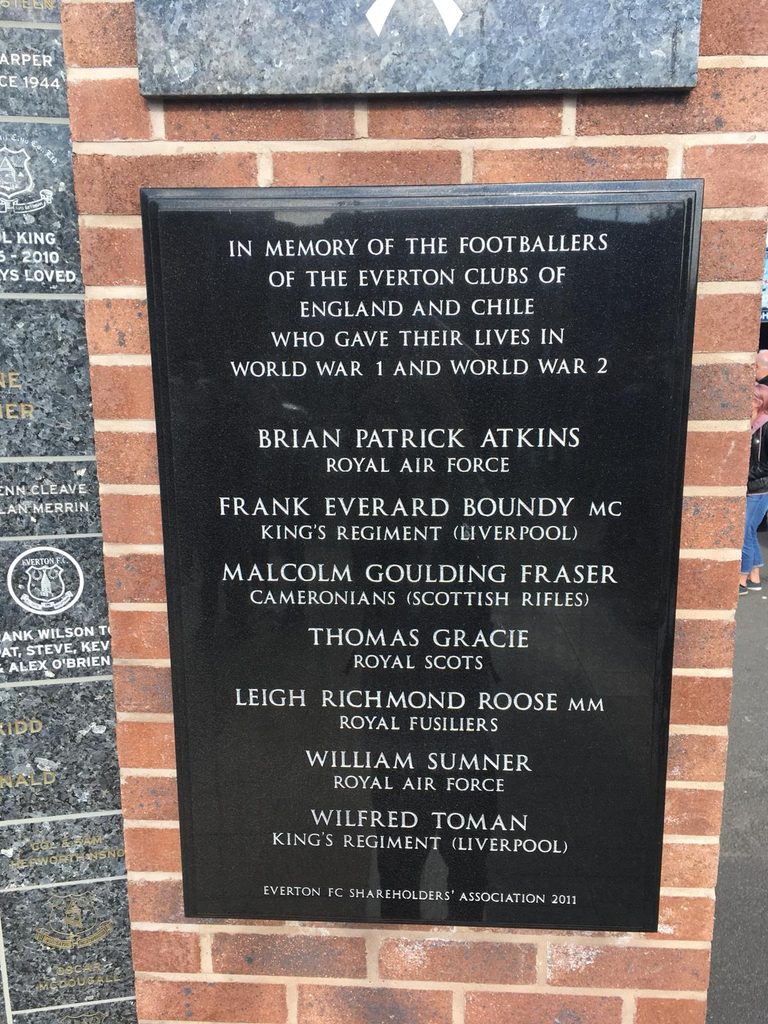
Click to Download
NB – the current article on this webpage on Private David Murray reflects the latest research and replaces the brief biography contained in the booklet.
…………………………………………………………..
Select Bibliography
Corrigan, Gordon, Loos 1915: The Unwanted Battle. Stroud: Spellmount (2006)
Edmonds, J.E., Military Operations France and Belgium, 1915: Battles of Aubers Ridge, Festubert, and Loos. History of the Great War Based on Official Documents By Direction of the Historical Section of the Committee of Imperial Defence. Vol. II (1st ed.). London: Macmillan (1928)
Graves, Robert, Goodbye to All That (Penguin ed. 1929)
War Diary: 15 DIVISION 45 Infantry Brigade Princess Louise’s (Argyll & Sutherland Highlanders) 1/8th Battalion and 11th Battalion : 4 July 1915 – 26 August 1918 (Public Record Office WO95/1944)
Royden, Mike & Jones, Peter, The Fallen of Everton (Booklet produced by the Everton FC Heritage Society)
Newspapers
Birmingham Daily Post
Liverpool Football Echo
Liverpool Echo
Liverpool Daily Post
South Yorkshire Times and Mexborough and Swinton Times
Online
Everton FC Board Minutes 1903-1904, The Everton Collection, Liverpool Record Office
Johnson, Steve, Everton Results www.evertonresults.com
The Mighty Leeds Website – www.mightyleeds.co.uk/players/murraydavid.htm
The Long, Long Trail – The Battle of Loos
.
Mike Royden
.
……………………………………………………………………………………………..
Filming the life of Private David Bruce Murray (October 2026 – in production)