Rob Sawyer
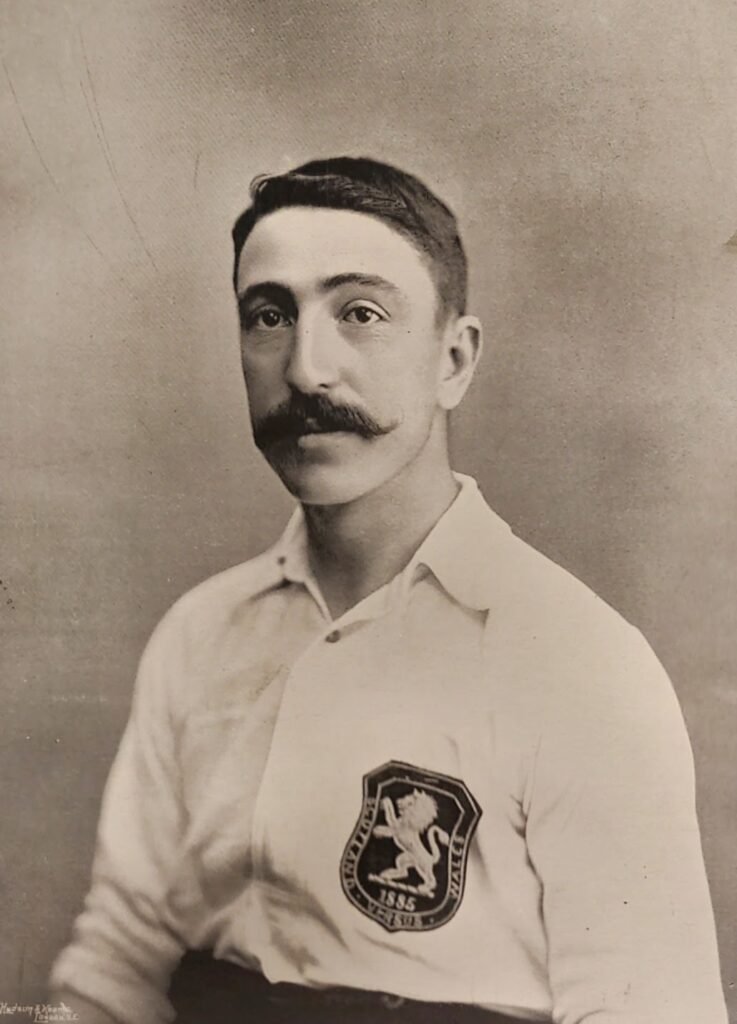
In the late spring and early summer of 1892, while frenetic work continued to construct the new Goodison Park and have it ready to host football and spectators from the start of September, two Scottish members of Everton’s squad were enjoying an eye-opening tour of the Mediterranean.
The pair were Bob Kelso, who enjoyed two spells at Everton, making 104 appearances, and his compatriot Hope Robertson, something of a squad player who had joined the Toffees from Partick Thistle, having previously played in England for Woolwich Arsenal. He would make thirty-three appearances in an Everton shirt, including three in the Toffees’ first title-winning campaign. A monied Everton supporter (sadly, not identified), who was appreciative of Kelso and Robertson’s play in the 1891/92 season (the last for the Toffees at Anfield), invited the pair to accompany him on a close-trip voyage to the Mediterranean, venturing as far as Egypt.
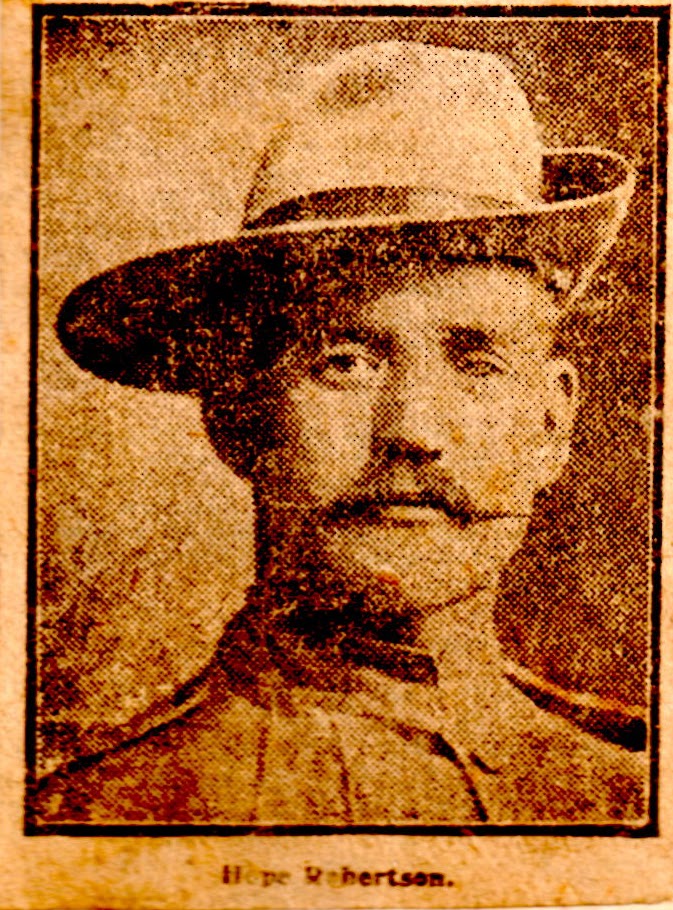
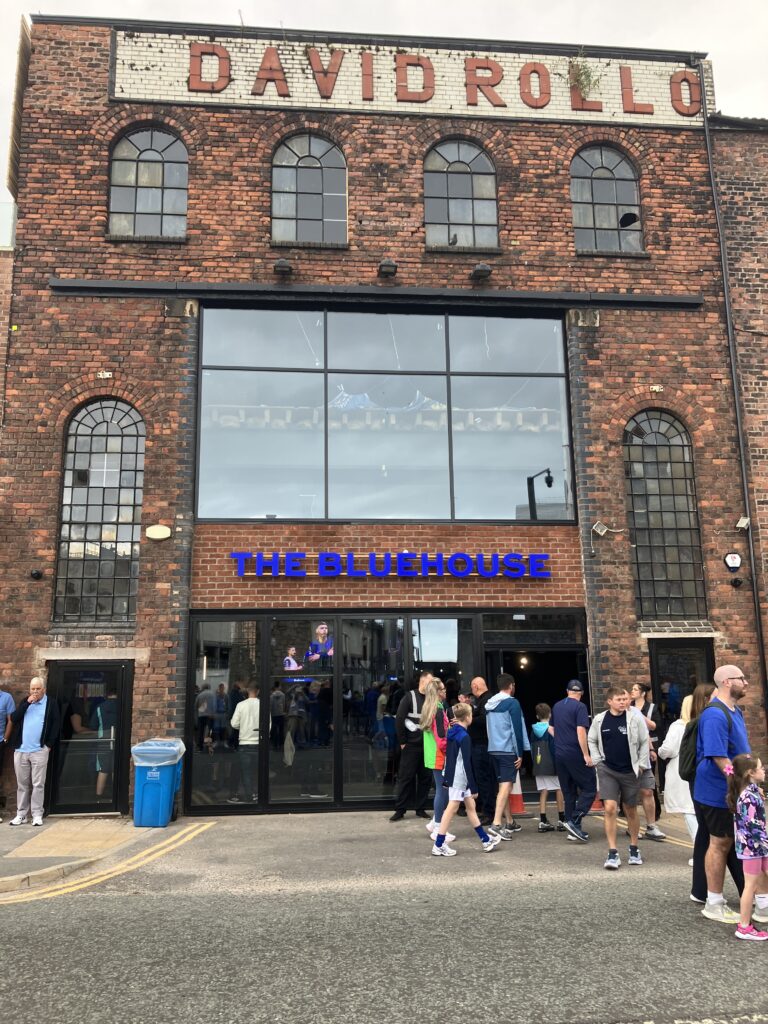
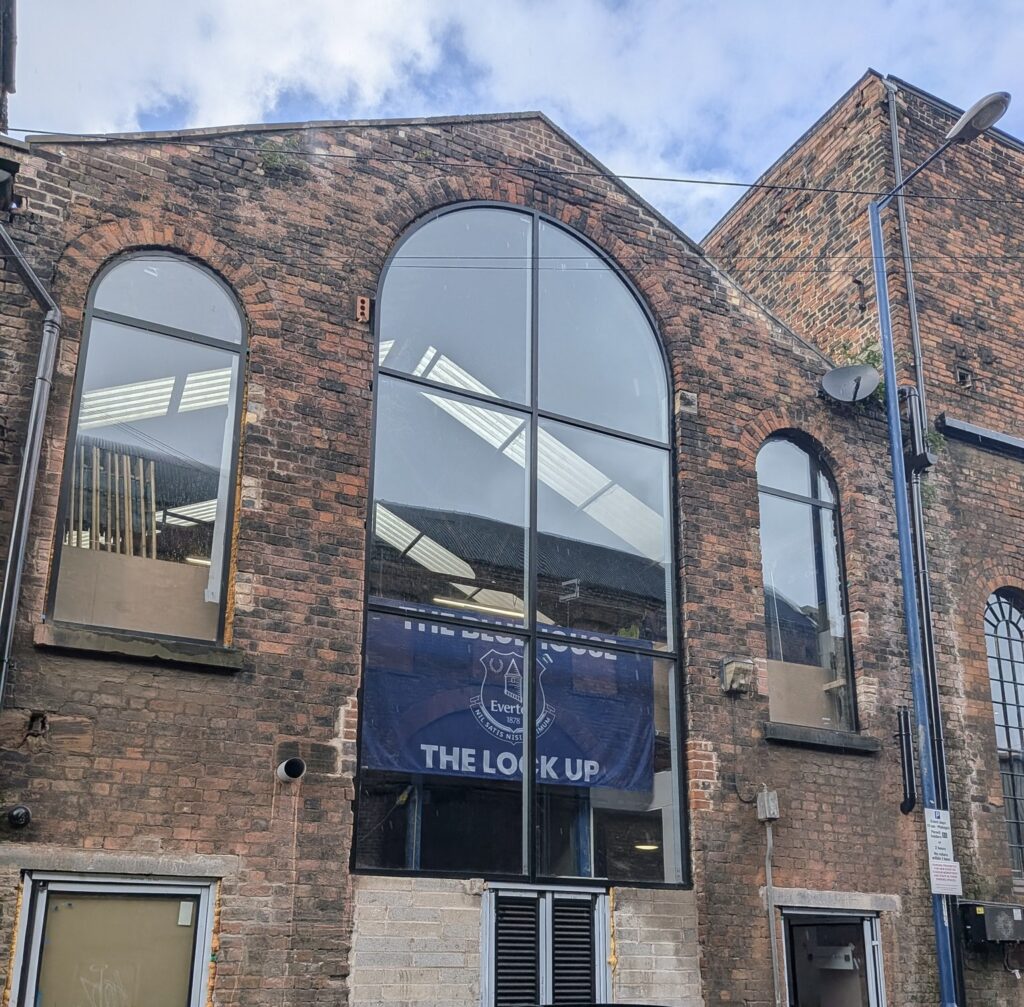
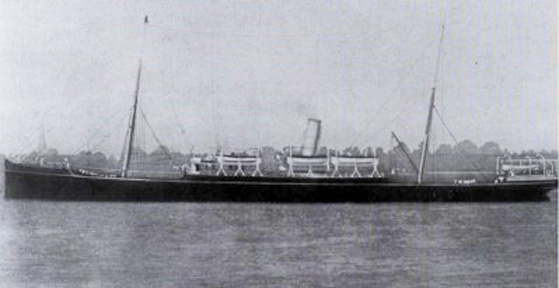
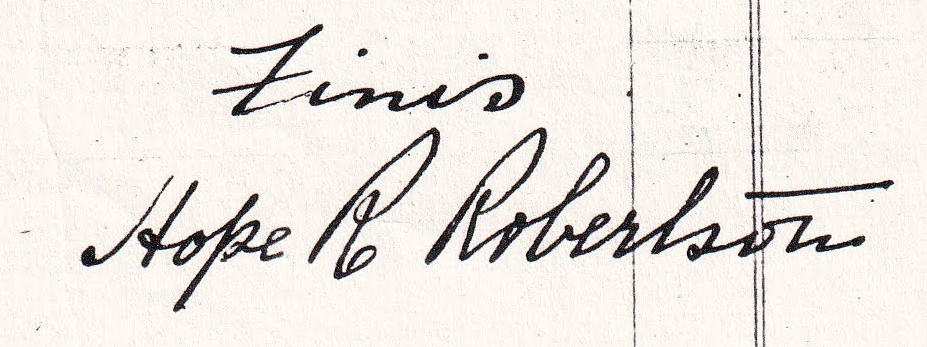
Some eighteen years later, Robertson, who would fight for Britain in the Boer War before settling in Goole, committed his memories to paper (in the language of the time) for the Scottish Weekly Record publication. At some length, he detailed his career, including the 1892 voyage with Kelso. The ship operating the voyage from Liverpool was the three-year-old Moss Line screw-steamer, Tabor. Built in Glasgow, its triple expansions steam reciprocating engines were constructed by Rollo & Son of Liverpool (The David Rollo building, pictured below, is still in existence and is frequented by many Blues on matchdays. The building is situated directly opposite from the Hill Dickinson Stadium with the front used by The Bluehouse, while the rear (upstairs) is now the centre for our very own Everton FC Heritage Society).
The Moss Line steamers were the first to develop the cotton trade from Alexandria to Liverpool. Remembering the departure from Huskisson Dock on 12 May, Robertson wrote:
‘The sounding of the ship’s horn warned us we had swung clear of the dock, so we rushed out on deck to wave a farewell to our friends on shore and have a last look, for a time, of the great Mersey city. Our voyage had begun. We were on our way to Egypt, the land of the Pharaohs, the land of plagues and pilgrimages.’
All was calm until the ship hit stormy waters in the Bay of Biscay, resulting in the inevitable seasickness for the human cargo:
‘Then the ship’s motion brought a different colour about the gills. We blamed it on the ship’s boatswain, who kept singing out: “Heave up boys! Heave away!” Bob kept very good time to the sailorman’s call.’
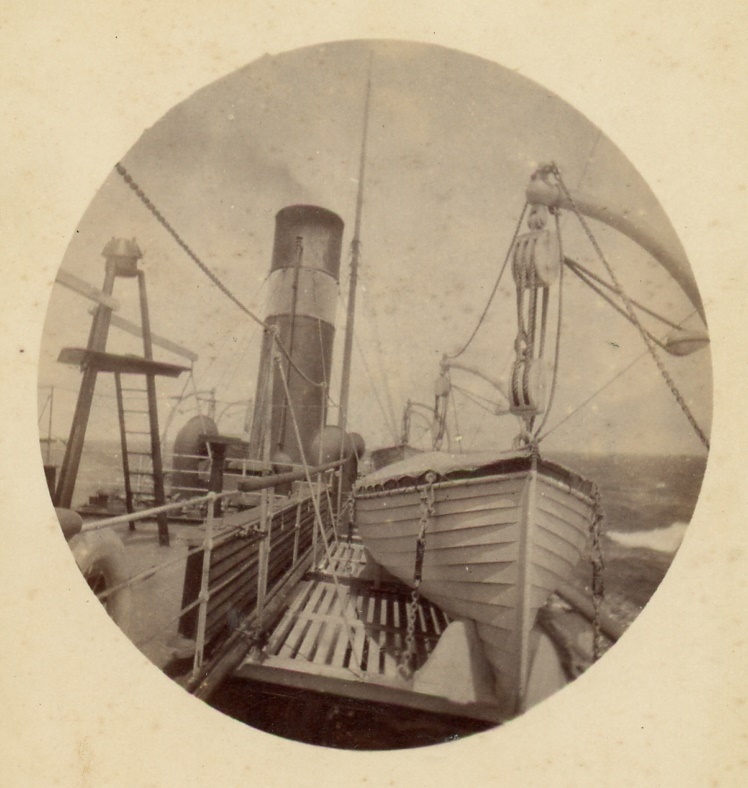
On the evening of the fifth day of the voyage, the Tabor anchored off the great rock of Gibraltar. The following morning, in the region of 200 pilgrims, making the pilgrimage to Mecca, Robertson, in his memoir, recorded:
‘Next morning, everything was bustle. We had taken aboard some 200-odd deck passengers. Mahommedan pilgrims, across from Africa on their way to Mecca – a pilgrimage all good followers of the Prophet must fulfil if they want to enjoy that which is promised for the hereafter. These people interested me very much, and on our way up the glorious Mediterranean I had ample opportunity to study them closely.’
The inquisitive Everton footballer noted the pattern of prayers said by the pilgrims; notably just before sunset: ‘One of their number, after all, had finished, went to the ship’s side with his face turned towards the setting sun and sang out something three times in a voice that only our ship’s bosun could equal.’
At one point, the former Partick Thistle footballer fell into a deep, contented sleep in a hammock on the deck, waking in time to see what appears to have been a meteorite crashing to Earth:
‘The cloudless blue of the heavens with its millions of stars shining down upon our tiny earth. I felt then after all the world was a good place to live in, but quite suddenly, from out of the blue, there dropped a large white ball – a curious and wonderful phenomenon. I sprang out of my hammock and stood spell-bound watching its progress through space, until it seemed to strike the water many miles astern, when, with a sigh of relief. I turned at the sound of a voice behind me saying, ‘And well may you sigh. Just you thank God it landed where it did.’ The speaker was no other than our bosun.
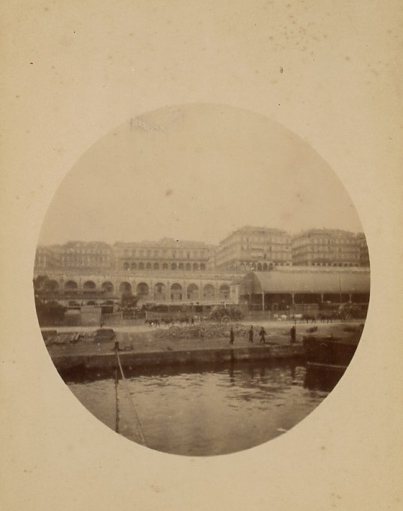
The Tabor next berthed in Algiers before continuing to Valletta, Malta. There, a Maltese gentleman, who had been on the voyage with the footballers and their generous host, took them on a tour of the city:
‘He piloted us through the quaintly constructed town, and explaining the different sights as we passed along, never halting long in one place. We reached the heights, far above the town, there to behold a view well worth travelling a long way to see. We had a splendid view of the island and harbour beneath, where lay several of the Mediterranean fleet, which added greatly to the magnificent panoramic view. After feasting our eyes on the beauties of nature, we descended to the town again, and there visited the famous cathedral of Saint John, where we enjoyed an hour, the impressions of which still freshly hold to memory. There are few places which possess something no other town can boast. The mariner can see, on entering or leaving Malta, a splendidly executed painting of a dragoon standing at his horse’s head on the face of the rock. The colour used is black, and it stands out well against the white slatey hoe of the rock. It is much admired by visitors.’
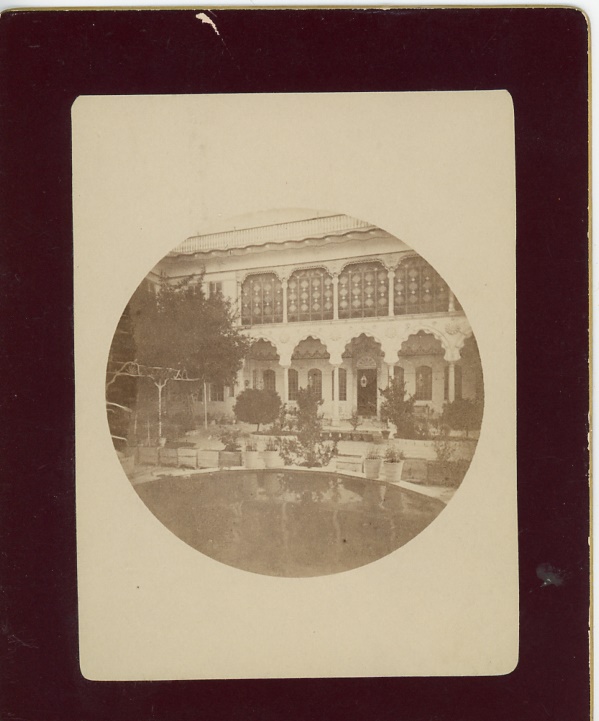
After three more days on the Big Blue, the Tabor reached its ultimate destination, Alexandria. There, the two footballers were persuaded, against their better judgement, to turn out with the ship’s stewards and engineers in a match against a team of soldiers stationed at Ras el-Tin Barracks. Conscious that both their club and the football authorities would take a dim view on them playing football there, the Scots didn’t reveal their identities. However, with the soldiers well ahead, the Everton duo took action:
‘We played under the disguise of “I Dinna Ken Who” until the soldiers scored six goals. This was about as much as Bob and I could stand, so at the next kick-off we took the ball between right through them, and before they had realised what had taken place, I had the ball past the goalkeeper with such a determined clinker that Bob said if it had not struck the Khedive’s palace it might be going yet.’
The onset of darkness brought the match to an end, after which Bob and Hope spent a fine night in the sergeants’ mess, carrying on into the wee small hours on board the Tudor. Perhaps the most vivid memory that stayed with Hope was a visit to an Alexandria opium den:
‘This den was lit with oil lamps, and, as we walked slowly past, we could see to the innermost recesses. Some of the smokers were asleep, enjoying the dreams that only the opium smoker can indulge. Others were sitting tailor-fashion, preparing their pipes for indulgence. One of them had smoked and had dreamt his pleasant dreams only to waken a more dejected object of humanity than he was before. Oh, my God! What a face, drawn into indescribable lines, we saw in that awful look. He seemed to suffer acute bodily pain; his eyes gave forth an expression of horror that no pen portrait of mine can adequately convey. I got near to our guide and whispered, “Jock, we have had enough! Take us out of this.” In a remarkably short time, he landed us in the Grand Square, a modern picture in itself. As we stood for the moment, there came a feeling over us that we had passed safely through a real inferno in the city of Alexandria.’
At sea, on the homeward journey to Britain, the pair mused on what could happen if word reached England of them playing in Alexandria. As it transpired, no one gave the game away until Hope recounted the story in his memoir.
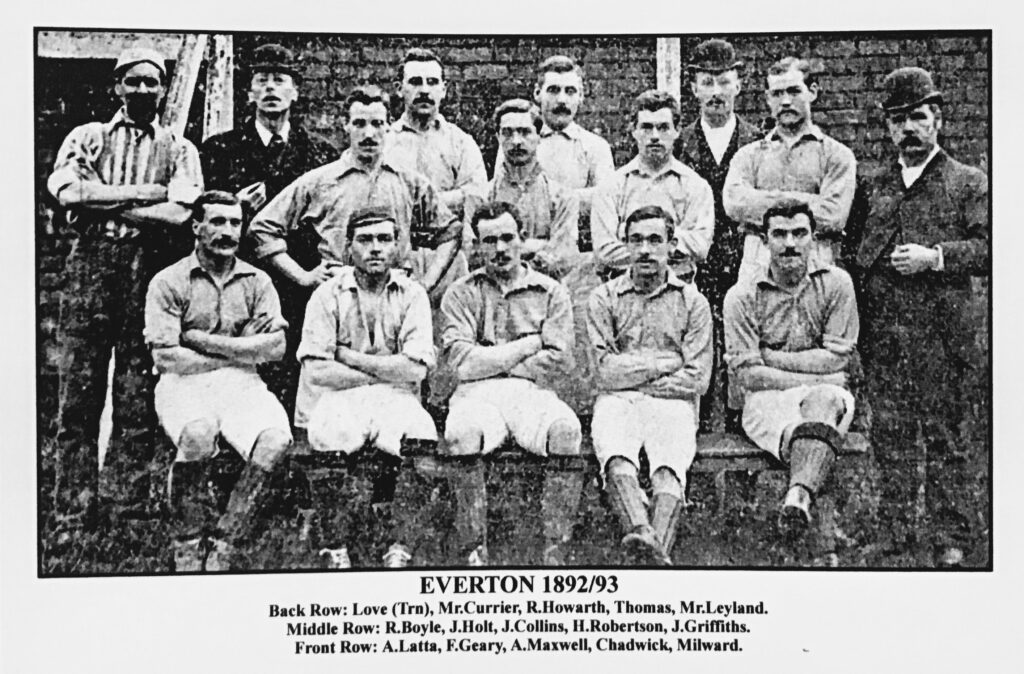
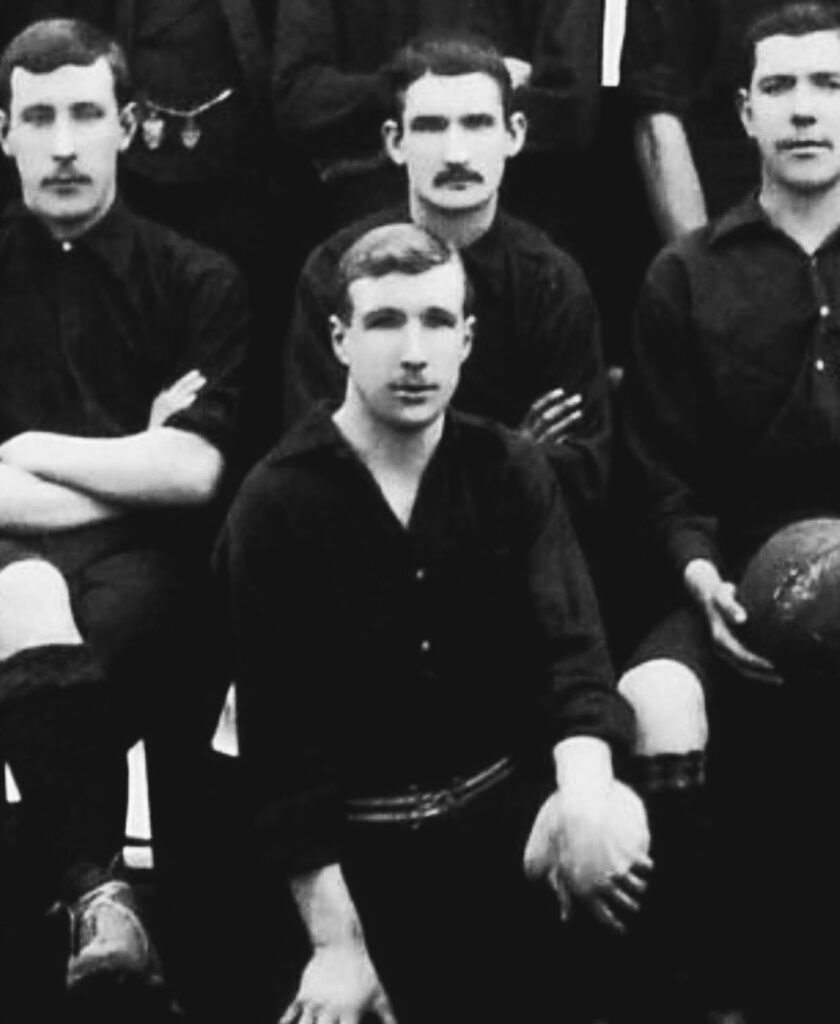
Hope would participate in the Toffees’ first fixture at Goodison Park, against Bolton Wanderers, subsequently lining up on 3 September at left-half against Nottingham Forest in the stadium’s first league match. Six weeks later he made his final appearance as an Everton player, filling in as an emergency goalkeeper in a 4-3 away defeat of Newton Heath.
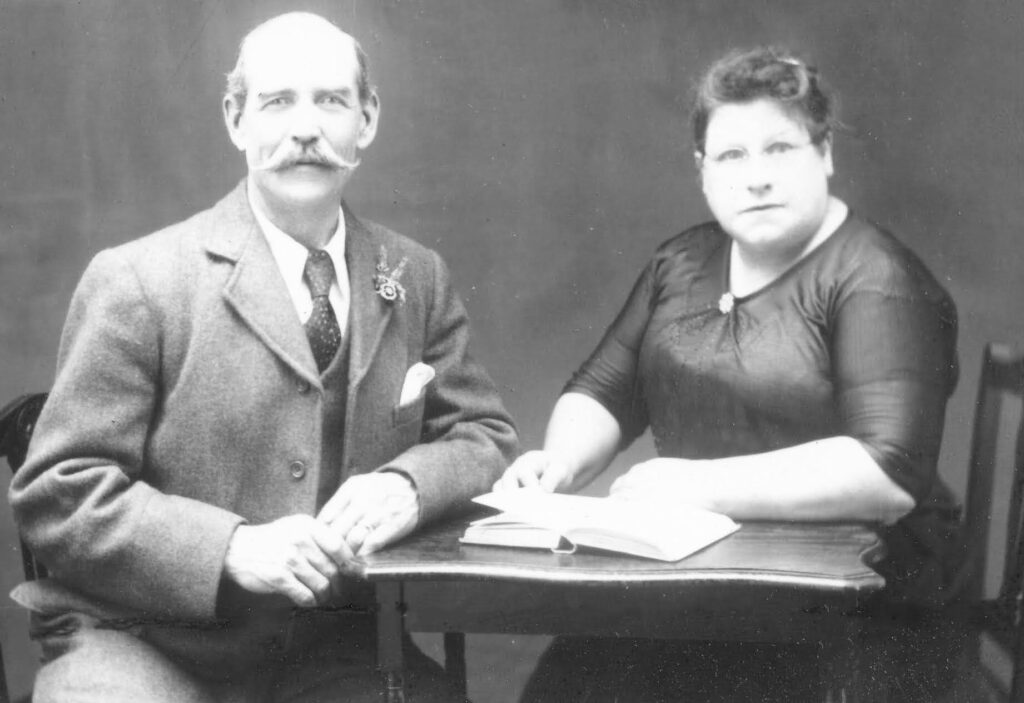
Soon afterwards, he objected to being tarred with the same brush as clubmates who had suffered a heavy defeat to Bolton Wanderers (Hope had not been selected). He refused to attend a dressing down for the whole squad. When threatened with sanction by the directors, he went into the stadium and took a crossbar away with him as some form of ransom demand. When summoned to the next board meeting, he told the ‘suits’ that if they wanted the precious woodwork back, they would have to come and get it from him – he was certainly not returning it to them. Soon, the strong-willed Scot was ushered out of the club, subsequently playing for Bootle, Partick Thistle, Walsall Town Swifts and the Liverpool Police team. In later years, he worked for a shipbuilder in Goole, passing away at the age of 79 in September 1947.
Bob Kelso, who had rejoined the Toffees after a spell with Preston North End, remained at the club until he joined Dundee in 1896. The seven times-capped Scot passed away in 1950 at the age of eighty-five.
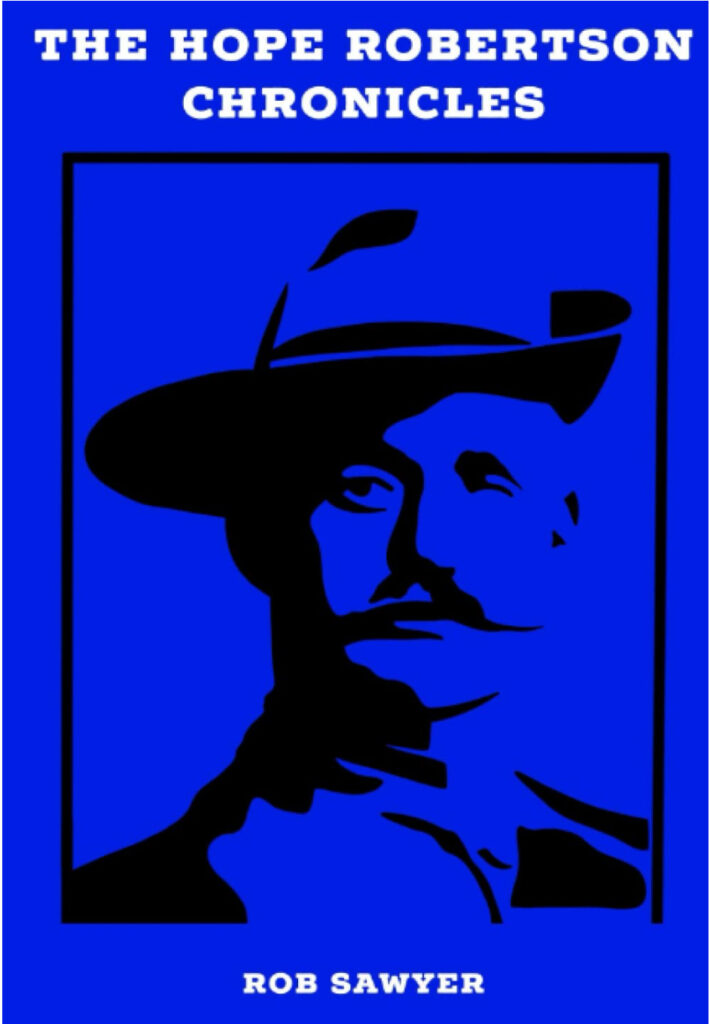
Hope Robertson’s newspaper series has been transcribed, with context added, in The Hope Robertson Chronicles, available as a paperback and e-book through Amazon.
With thanks to:
Tony Whiteley
Albert Harlington
John Curwen