Paul Owens
Barring an unfortunate injury or a mind-boggling decision regarding team selection by Thomas Tuchel, Jordan Pickford will line up for England this summer at the 2026 World Cup finals, which are to be held in the United States of America and Canada. Everton’s outstanding last line of defence went the whole of the Three Lions’ qualifying campaign without conceding a goal and is desperate for international success at his third World Cup finals, telling BBC Sport’s Kelly Somers in November 2025, ‘It has been that long since England has won something and to be a part of that would be amazing. We have to believe in ourselves, we have that opportunity and we have to take it with both hands but you are playing the best nations in the world and you have to play your best in each game and that’s what takes you so far.’
Although the legendary Neville Southall never got to showcase his incredible talents on football’s biggest international stage, Pickford is not the only Everton goalkeeper to have played in a World Cup finals, or indeed to play Stateside. American Tim Howard – who is certain to feature heavily on various media outlets ahead of this summer’s competition – holds the record for making the most saves in a World Cup finals game (15 against Belgium in 2014), while the Canadian-born Eire international Courtney Brosnan – Everton Women’s outstanding current number one – played in the 2023 World Cup finals – performing superbly well against Nigeria, Canada and hosts Australia in her country’s first finals appearance.
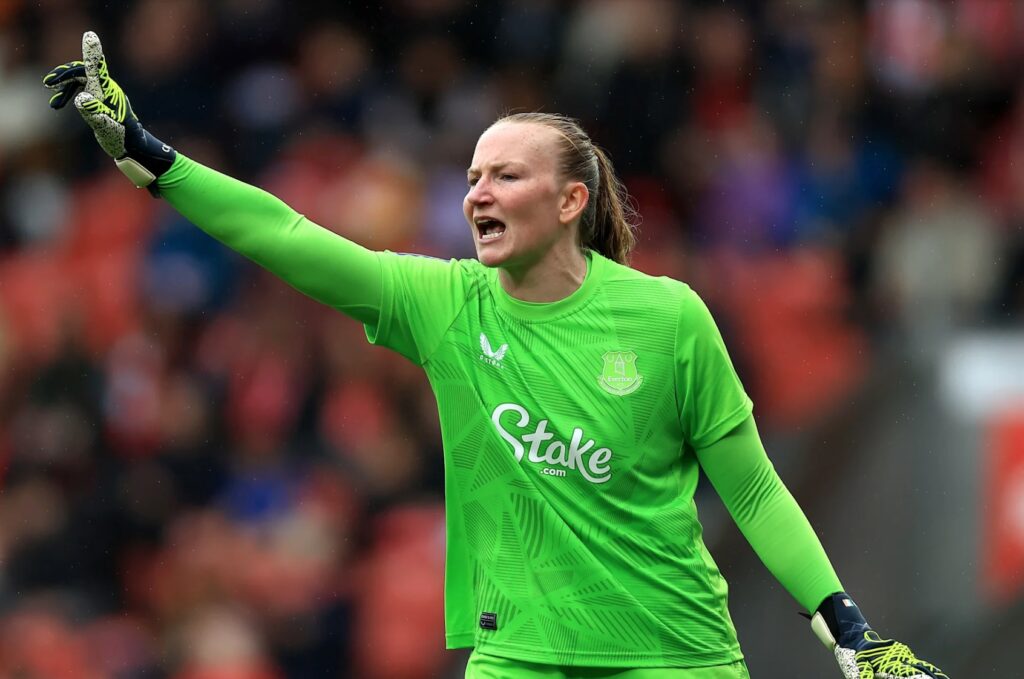
Much has been made about the potentially scorching temperatures that matches may be played in this summer. In terms of gaining advice about how to perform at his brilliant best in such blistering heat, Pickford may well want to speak to another former Everton and England goalkeeping great – the magnificent Rachel Brown-Finnis, who spent five years in the US before signing for the Toffees in 2003.
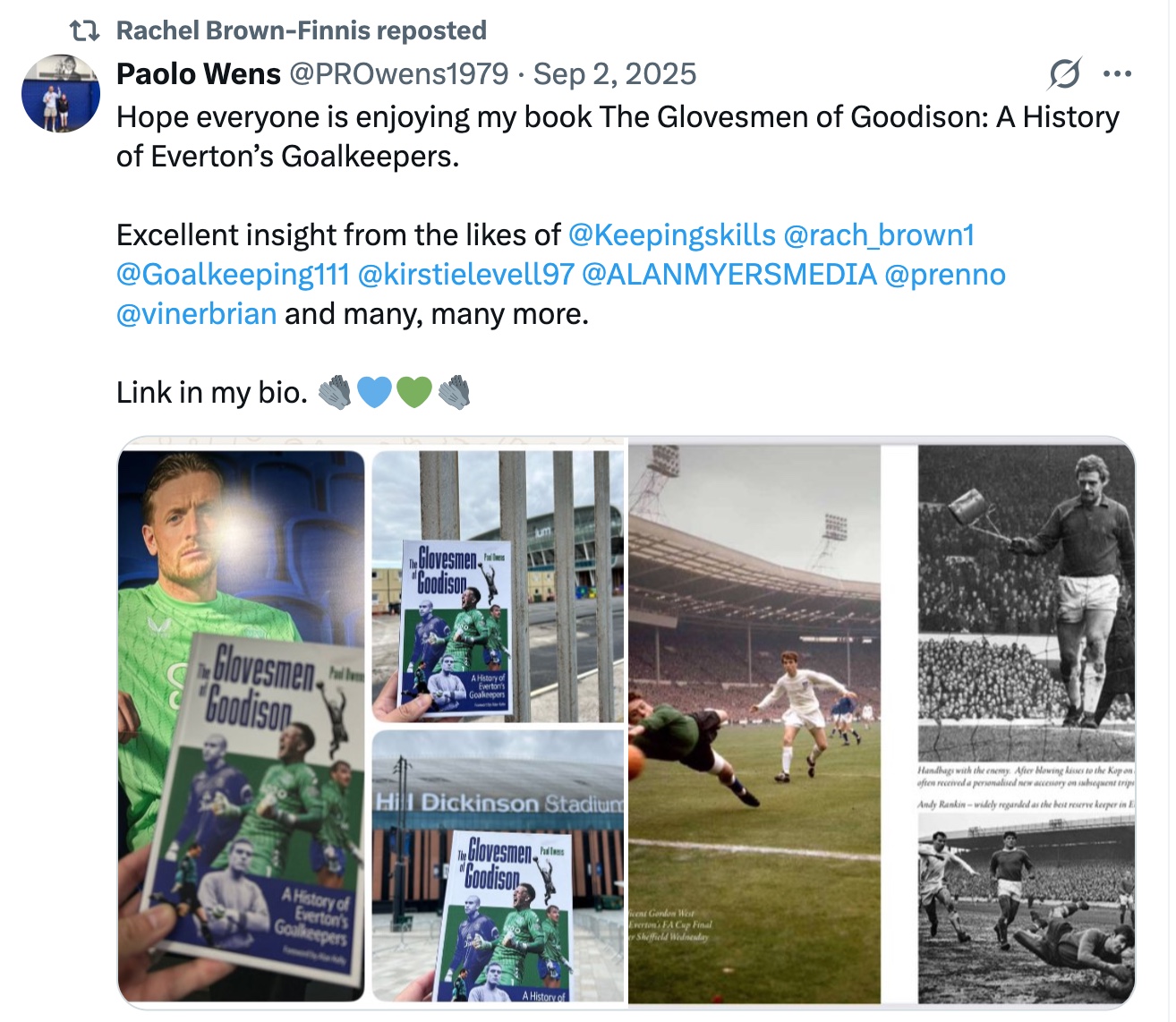
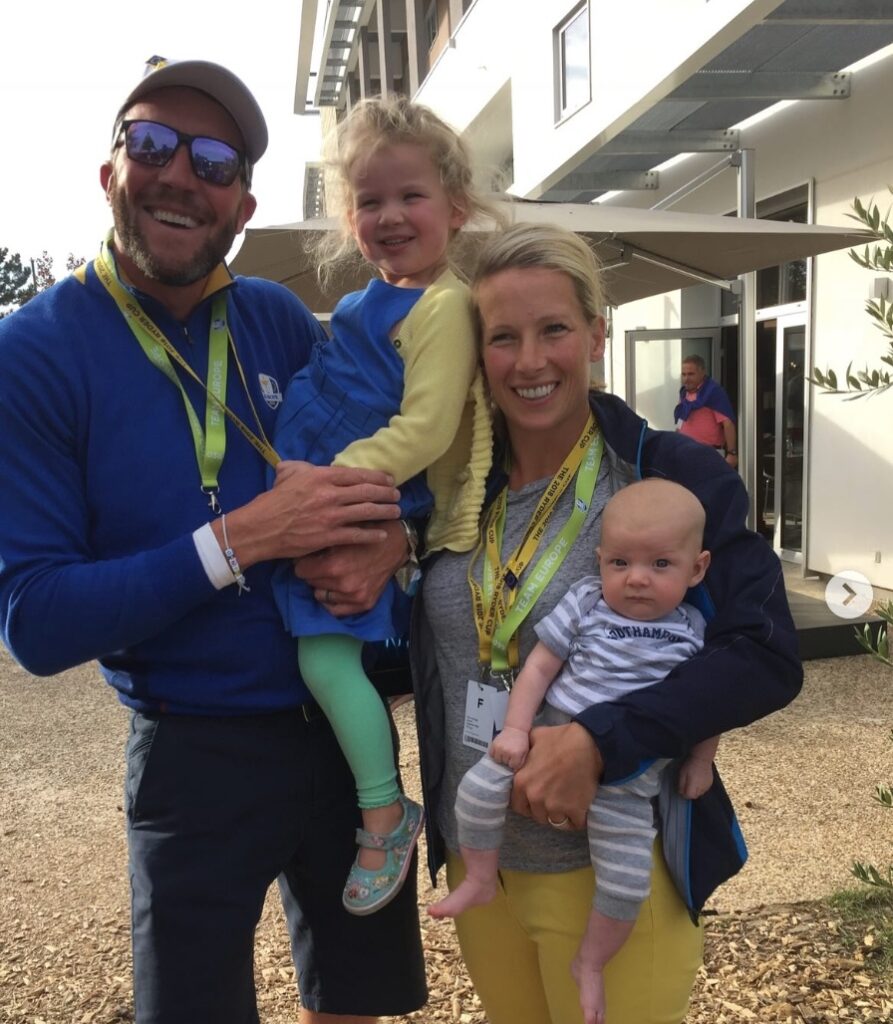
Just days after completing her GCSEs (and only weeks after playing for Liverpool in the FA Cup Final), the Burnley-born goalkeeper (known as Rachel Brown before her marriage to golfing caddie Ian Finnis in 2013) flew out to Alabama in the summer of 1996 to assist goalkeeping coach and mentor Mick Payne on his goalkeeping camps. While out there, the youngster played a couple of games for Alabama Angels. Soon after returning home, the teenage keeper received several letters offering her scholarships at US universities following the completion of her A-levels. During an interview for my book The Glovesmen of Goodison: A History of Everton’s Goalkeepers, Brown-Finnis told me: ‘This was everything I wanted: I knew I wanted to go to university and knew I wanted to play football. In the UK that wasn’t really an option, so two years later, in 1998, I went back out there.’
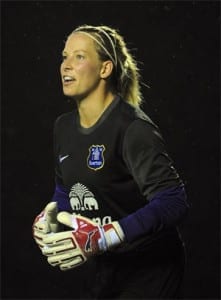
Having stayed in Alabama for two years, Brown transferred to Pittsburgh to study sports science in 2000, turning out for Pittsburgh Panthers and being named Goalkeeper of the Year in the Big East Conference League every season she played there. Notwithstanding certain cultural issues (Brown witnessed intolerable racism and religious hypocrisy during her time in the Deep South), she has extremely fond memories of her time in the US, especially from a playing perspective:
‘Forrest Gump had not been out that long and I found myself living where it had all been filmed, spotting landmarks on a daily basis. It was brilliant. The daily goalkeeper work was absolutely fantastic too. At Liverpool, specialised keeper training was intermittent at best, so to be working on my position day-in, day-out felt very special, even though the heat at times was unbearable.’
Nevertheless, by 2003, Brown was keen to return to England and make a difference to the female game back home. She was also keen to play for former England teammate, Mo Marley, who had recently taken over the managerial duties at Everton. The keeper recalled,
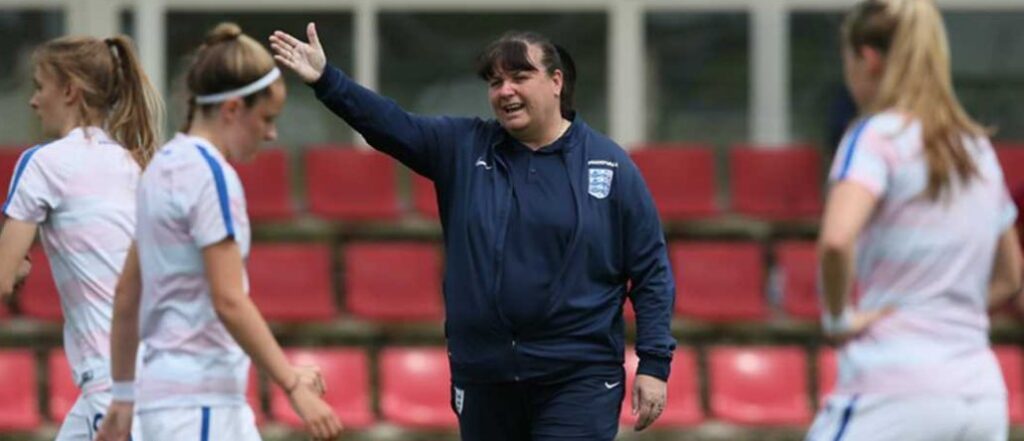
‘Mo knew I was thinking of coming home and so got in touch. She was a gifted coach and trying to build something special at Everton. It wasn’t easy for her, though, as there was no capacity to offer full-time training or financial incentives, so she really had to think outside the box to attract players. She put me in touch with Liverpool John Moores University, who granted me a scholarship for a teacher training course, which was a massive selling point for me.’
Over the next decade, there would be plenty of highs (and outstanding performances) as Everton closed the gap on serial title winners Arsenal and vanquished the Gunners to win the 2010 FA Cup.
Unsurprisingly, when I asked Brown-Finnis for her favourite moment as an Everton player, she was very quick with her response:
‘The FA Cup Final 3-2 win over Arsenal, without a doubt. We’d run them close so many times in the league without managing to beat them to the title, so this felt very, very special. We had actually beaten them two years earlier to lift the Premier League Cup, but this one meant so much more. Straight after the game we went out celebrating in our Everton tracksuits. Nobody knew who we were or what we had just done but the camaraderie in the squad and the collective sense of achievement we all felt was tremendous. Mo had worked tirelessly to get us to that point and the team spirit she had fostered was our real strength during that period.’

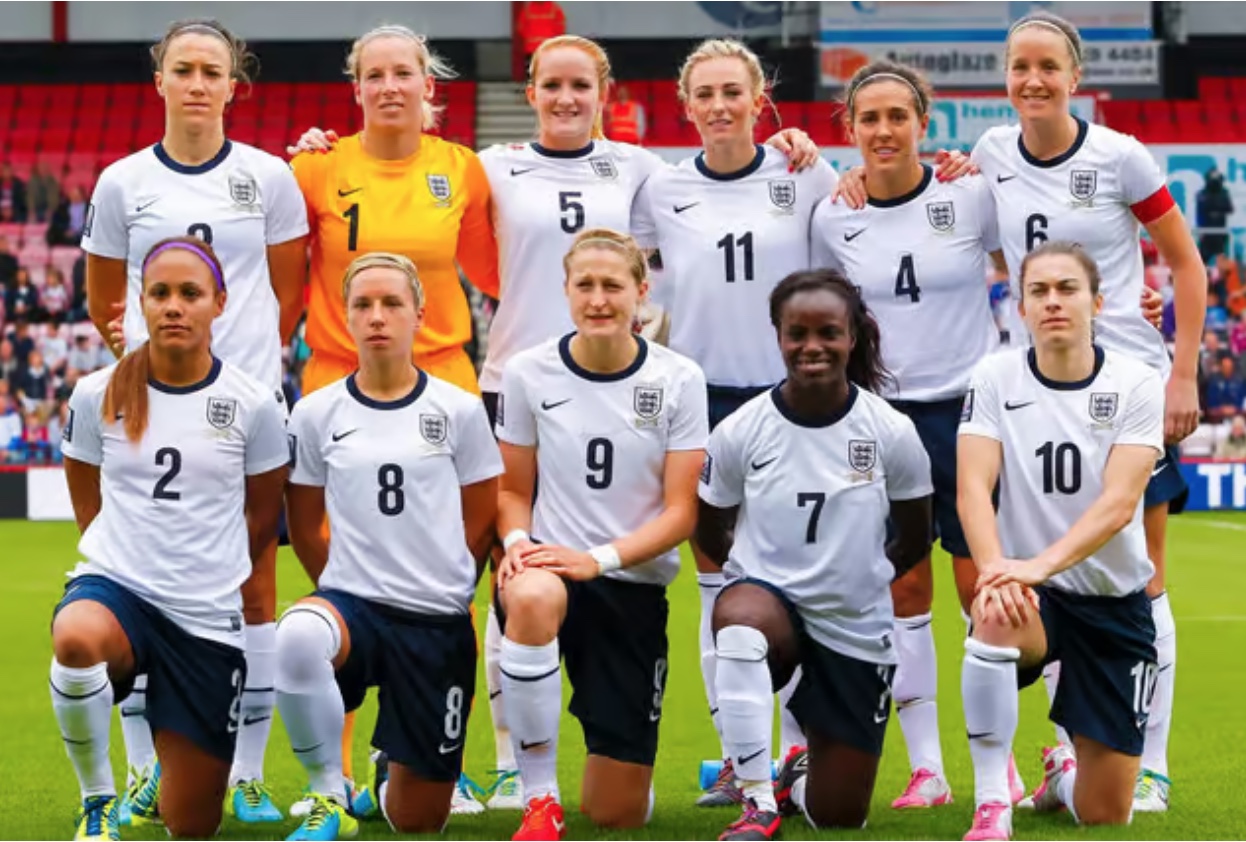
In 2007, Brown played in the World Cup finals held in China – having played a crucial role in the qualifiers, in which England finished above the much-fancied France team, thanks largely to their goalkeeper’s stupendous performances in two goalless draws between the two sides. In her opinion, the Everton stopper produced her greatest-ever performance in one of those matches, at Ewood Park, where she crashed her head on the post after tipping Marinette Pichon’s powerful header on to the woodwork and then kept out the follow-up effort. A prime example of a committed keeper doing anything and everything she could to ensure that the ball did not cross her line. Five years later, in the twilight of her career, Brown was part of the Great Britain squad which competed in the London Olympics.
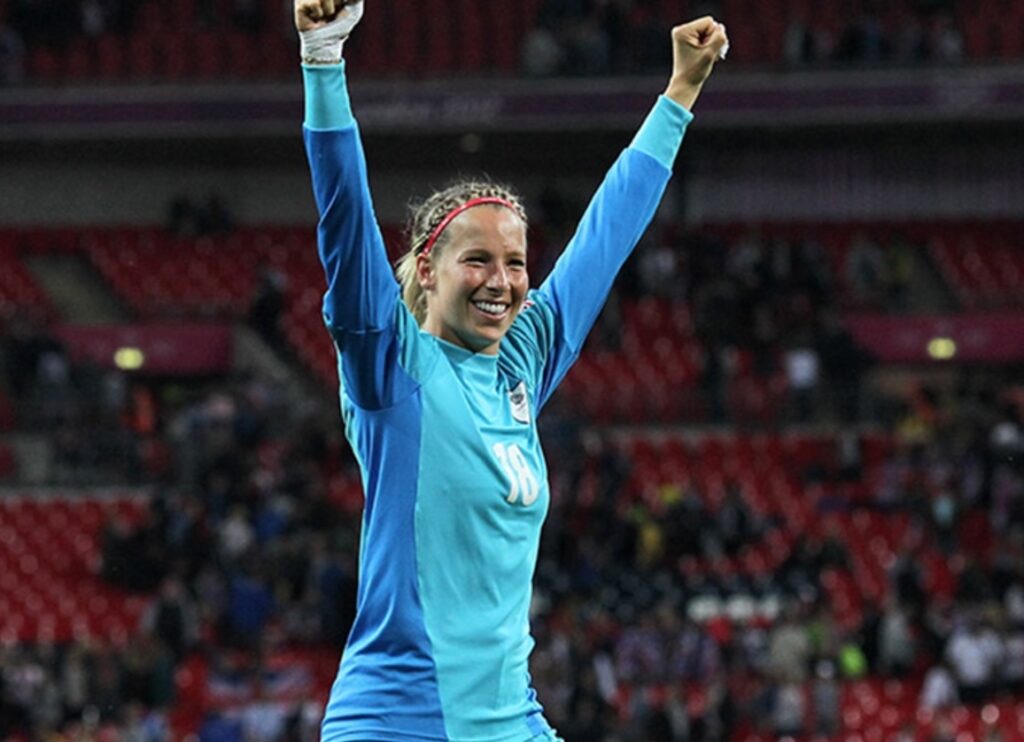
Interestingly, the goalkeeper regards the London 2012 experience as the highlight of her career:
‘I grew up loving everything about the Olympics and was fortunate enough to be a ball girl in 1996 in Atlanta, where I told Everton forward Daniel Amokachi, who was out there playing for Nigeria, that I played for Everton, even though I was a Liverpool player at the time, so that he would give me his shirt! London was truly incredible – the whole of the UK seemed so up for sport that summer. I am so pleased it was quite literally ‘a once-in-a-lifetime experience for me’ as I have talked to some of the girls who played in the Tokyo Olympics in 2021, and they said it was all very disappointing.’
Over an impressive international career that spanned sixteen years, the keeper affectionately known as ‘Browny’ won 82 caps. According to her former goalkeeping coach, Mick Payne, who initially spotted the goalkeeper’s immense potential when she attended a residential goalkeeping course run by former Arsenal goalkeeper Bob Wilson in Hertfordshire in the mid-90s:
‘Rachel was a pioneer for female goalkeepers – a role model, ambassador and connoisseur of the position, who maximised her ability and made the most of every opportunity that came her way. She took nothing for granted and had the mental strength to fight back from numerous knock-backs, mainly horrific injuries that would have ended the careers of players with less mental strength than she had. Things didn’t ever play on her mind. I have always said that goalkeepers have to be born, not manufactured, and Rachel was definitely born to be a goalkeeper. She knew when she signed on that dotted line exactly what she was signing up for – the ups and downs, the injuries and pitfalls that the career of a goalkeeper brings. Her character on and off the field is that of a winner, understanding what to say and how to say it, and always putting things out there in the right way.’
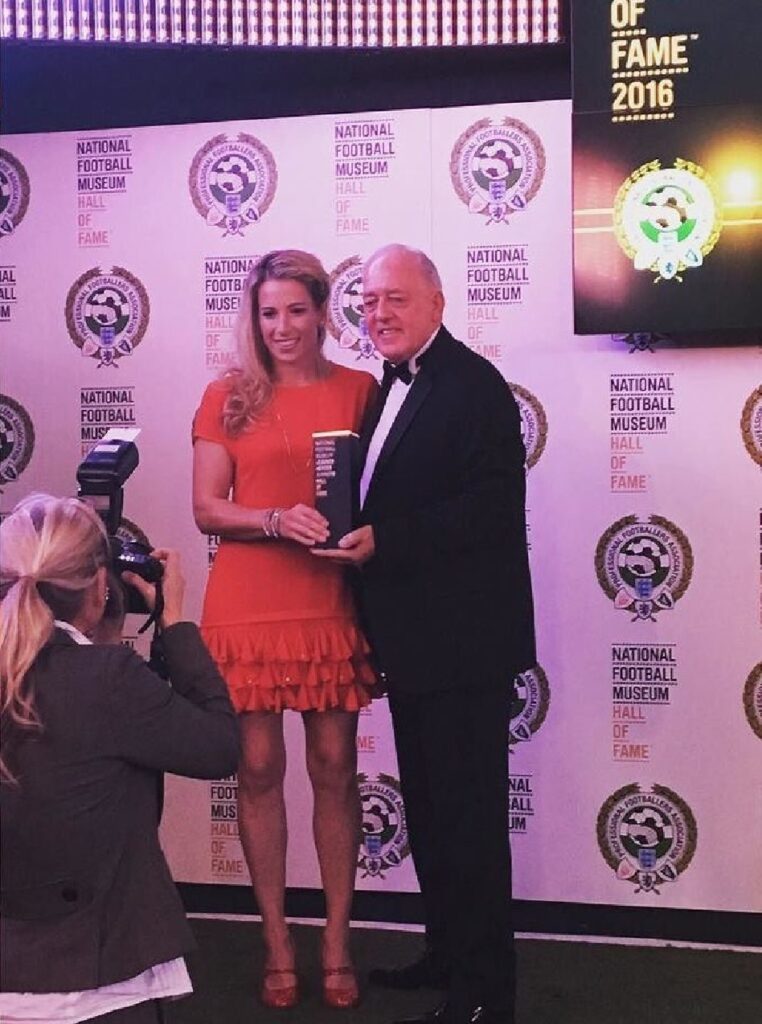
Since hanging up the gloves, Brown-Finnis has enjoyed a very successful career as a football pundit, often found giving refreshing goalkeeping insight into incidents involving last lines of defence on the BBC.
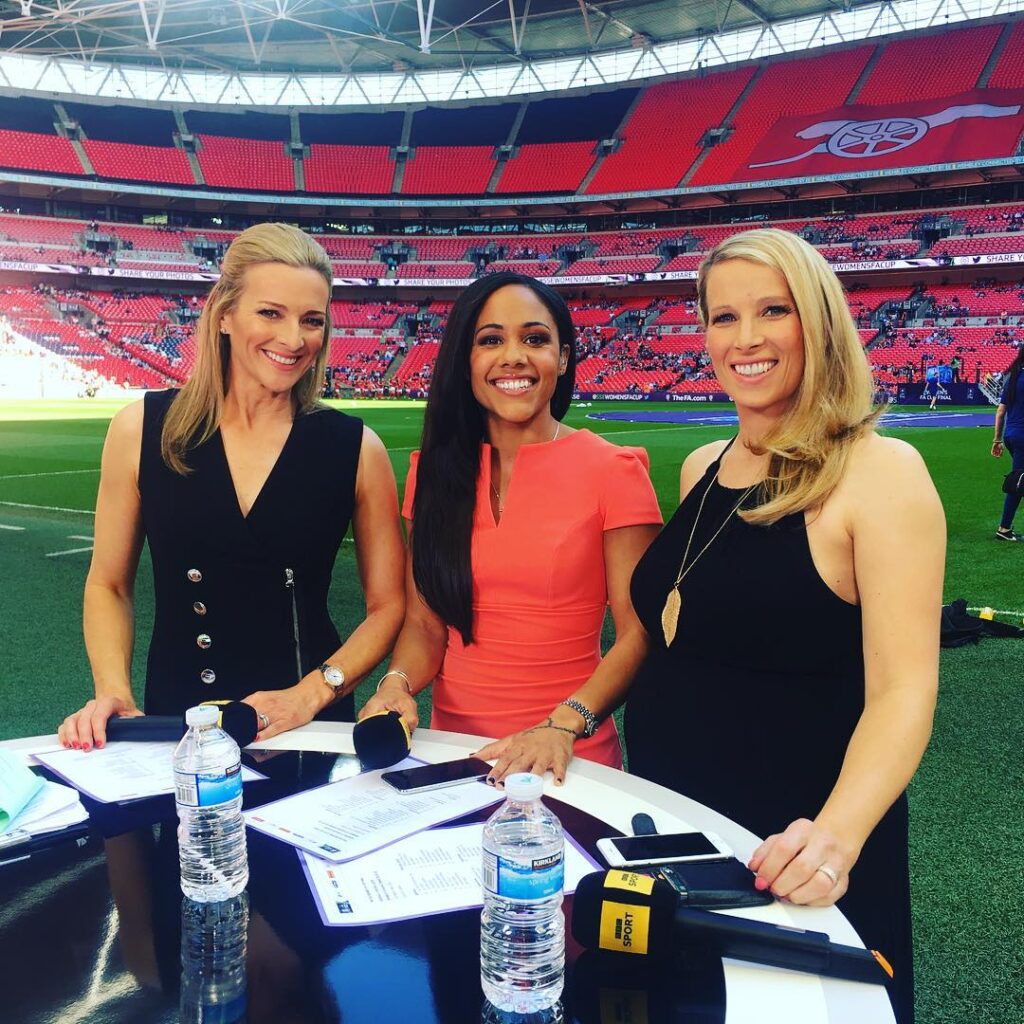
On episode four of the Everton Heritage Show, goalkeeping coach Alan Kelly described how the goalkeeper-turned-pundit had come into Everton’s training ground in 2022 and provided a hugely impressive analytical breakdown of a couple of Jordan Pickford’s finest saves from that year:
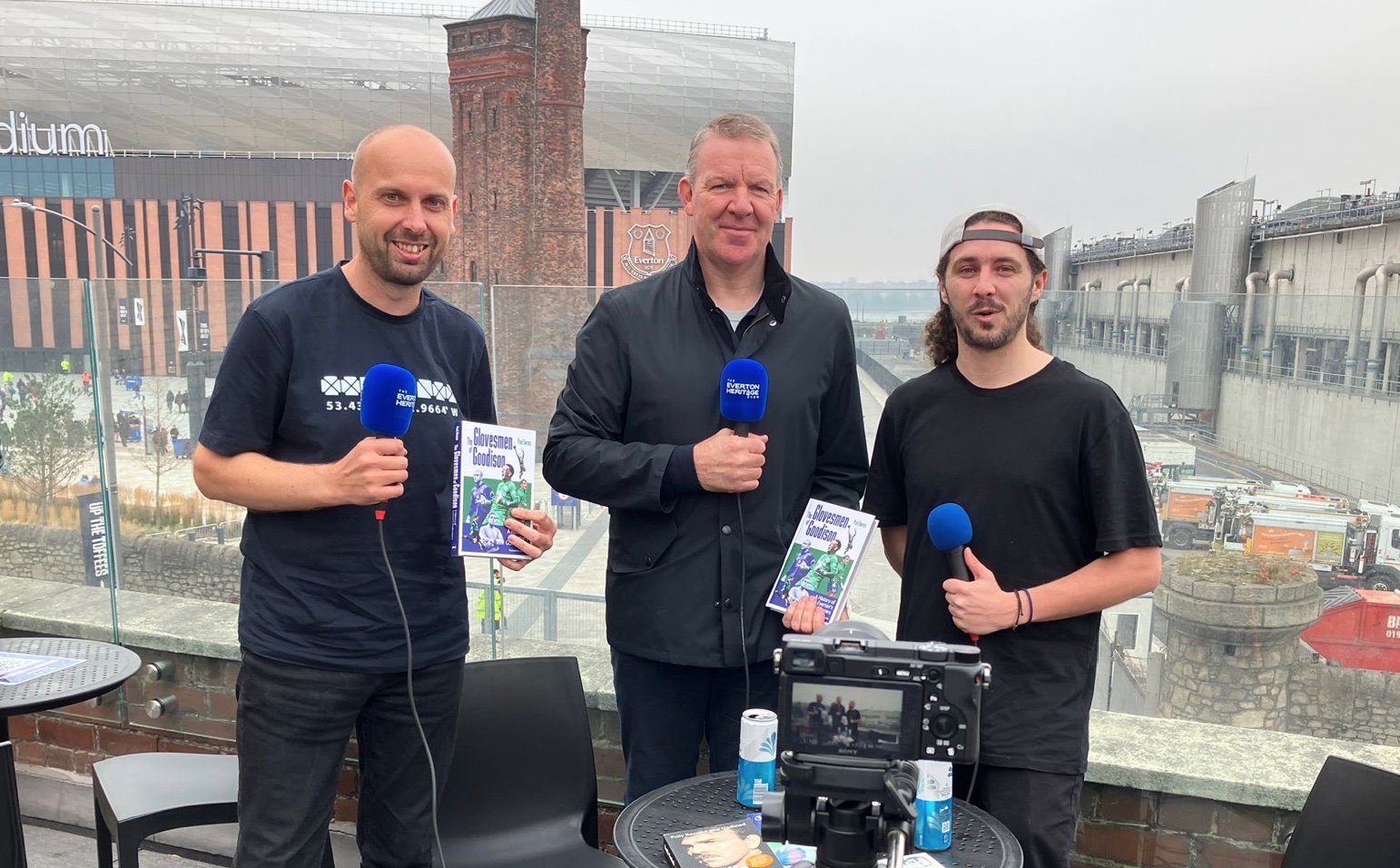
‘Rachel came to Finch Farm and was doing a masterclass series on goalkeeping. She had the iPad out and was analysing the Chelsea save [from Cesar Azpilicueta] and the one from Nunez in the derby when Jordan tipped it on to the bar. She went into it all in detail and was asking Jordan about it. It was a brilliant interaction. It was a fantastically put-together piece, which showed her passion and her insight as a pioneer, really, for women’s football.’
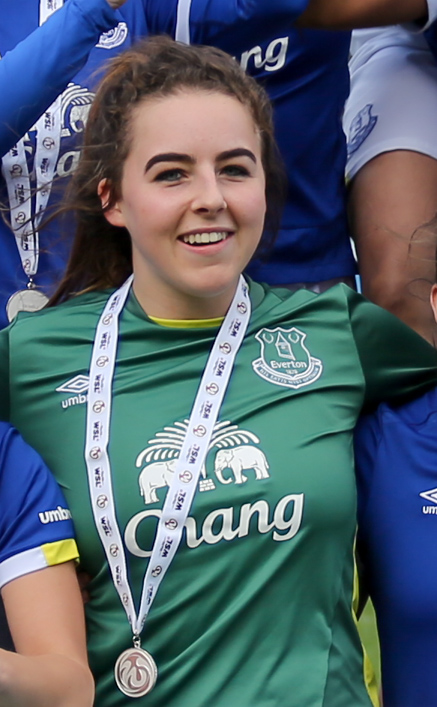
England fans will hope she will be doing something similar after this summer’s tournament and yet more Jordan Pickford heroics.
Another female keeper Kelly spoke extremely highly of on the Everton Heritage Show is Kirstie Levell, Everton Ladies’ first-ever professional goalkeeper, who is currently the first-team keeper at Burnley, having signed for the Clarets from Leicester City in 2023. Kelly told host Lewis Royden:
‘I took Kirstie Levell for a week pre-season during my time at Everton and her bravery was just incredible. When you asked her to go into the boots, she was the first in and last out. When a decision is made there is not a second thought – you just have to see the ball. When Kirstie was in that week, her standard of performance was right up there – she was absolutely fantastic!’
Over the past decade, the women’s game in the UK has continued to go from strength to strength – with many clubs turning professional during that period (Everton did so in the summer of 2017). Levell recalled how things pretty much changed overnight for her and her teammates on the signing of their professional contracts:
‘It was a crazy transition from training maybe two or three nights a week after long days at college to being in at Finch Farm every day from 9am till 3pm. There was gym work, loads of analysis meetings and at least 45 minutes of goalkeeper work every single day. It was bloody brilliant to be honest and it showed how far I had come!’
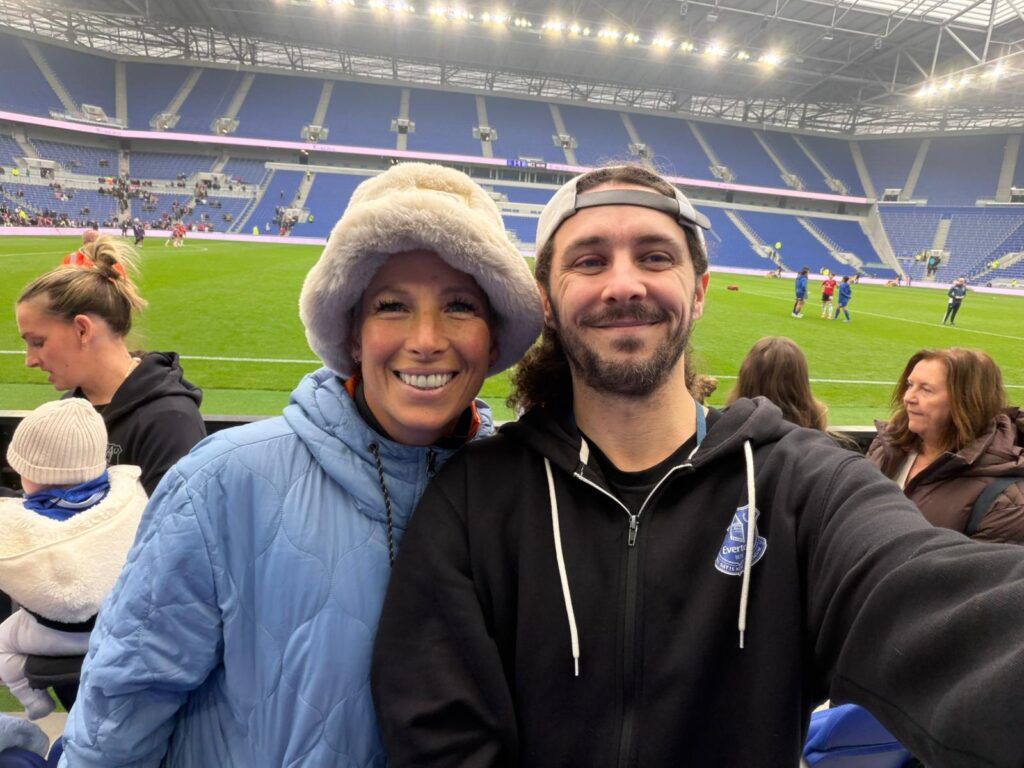
(Lewis met Rachel while he had been reporting on the match and the build-up – click image for more).
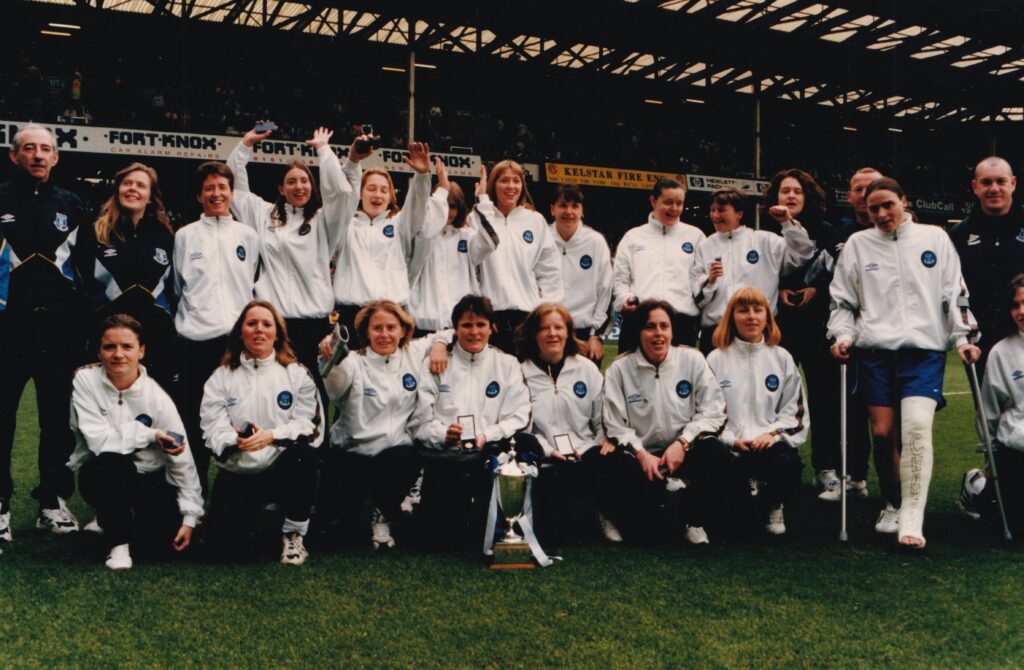
Since the start of the 2025/26 campaign, Everton Women have been able to call Goodison Park their permanent home. Although it is fair to say that it has been a bumpy start to life inside L4 4EL for the team – with current keeper Courtney Brosnan being worked far too much for Everton supporters’ liking – it is clear that the club is showing real ambition and wants to succeed.
Maybe, just maybe, in the years to come, another Everton team will run out as champions at the Grand Old Lady.
References
Owens, P., The Glovesmen of Goodison: A History of Everton’s Goalkeepers, (Pitch, 2025)
Royden, Lewis, The Everton Heritage Show (Programme 004, October 2025)
Acknowledgements
Thanks to the following for their support with this article:
Alan Kelly Junior
Kirstie Levell
Mike Royden
Rachel Brown-Finnis
Rob Sawyer
…………………………………………………………………………………..