1890-1899

James McMillan, the Lad from Leven Vale

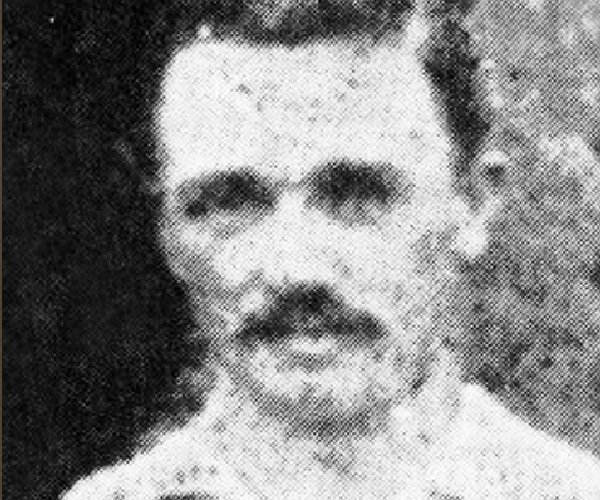
When the Scottish FA Cup was inaugurated in 1874, Glasgow based Queens Park won it no fewer than six times during the first ten years. Their run of success however, was interrupted for three years running, by a side from the small town of Alexandria. They played under the name of Vale of Leven. This Dunbartonshire town, on 11 April 1869, was the birthplace of James McMillan. Born to George, a dye works labourer, and his wife Martha at Bryson’s Land, in the parish of Bonhill, he first arrested the attention of the local football agents while playing for Vale…
Read More
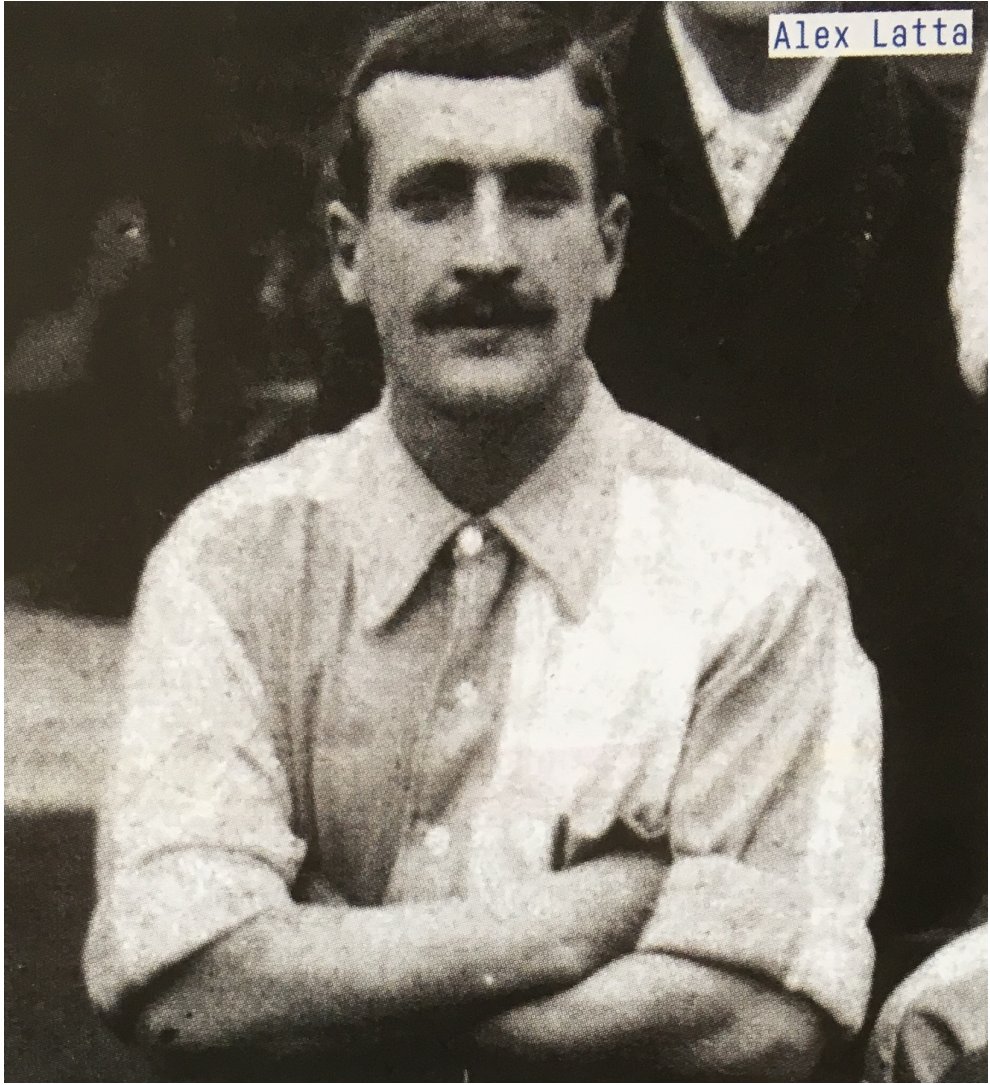
Alfred John Schofield

Alfred John Schofield

Following in the footsteps of Edgar Chadwick, Alf Schofield first saw the light of day through the mill chimneys of Blackburn in Lancashire.  He was born on 16 July 1876 at 39 Alexandra Street, the fourth child of David, a machine maker, and his wife, Betsy. However, following the early death of her husband, Betsy moved Alfred and his siblings to the comfortable surroundings at 48 Brighton Road in Birkdale where on the 1881 census she is reported to be 'living by own means'. Alfred Schofield joined Everton as an amateur in December 1895, and was first seen by the…
Read More

Henry F Briggs, An Everton Goalkeeper

Signed as cover for the controversial 'Happy Jack' Hillman, Frank Briggs joined Everton from Darwen in January 1906, having first played football in the Nottinghamshire coalfield area. He had been born at dwelling number 84 on the Alfreton Turnpike at Eastwood in 1872 and was the third of child of John, a domestic servant, and his wife, Lucy. Henry Briggs is missing from the 1891 census, but contemporary newspaper reports placed him keeping goal for a Midland League side who were the forerunners of Mansfield Town. His skills quickly caught the attention of struggling Football League Division One outfit Darwen,…
Read More

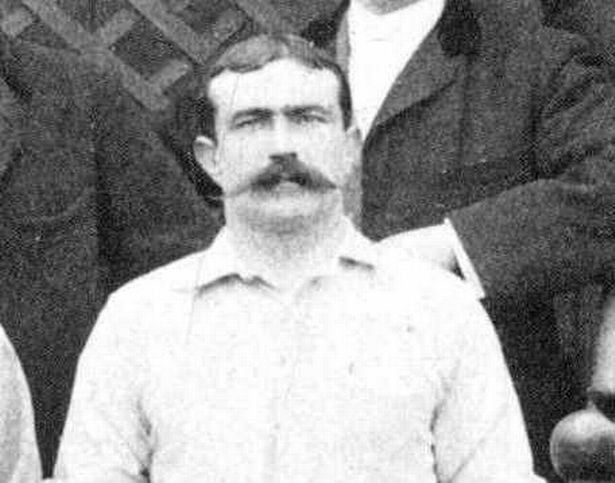
Only Once a Blue (Part 1): Robert Jamieson

Only Once a Blue (Part 1) Robert Jamieson Hailing from the famous football nursery in The Vale of Leven, Robert Jamieson was to learn the rudiments of the association game surrounded by what were, at the time, some of the finest players in the kingdom. He was born on 7 September 1867 at 199 High Street, Dumbarton, the child of Robert, a journeyman fitter, and his wife Elizabeth. The head of the household was away on the day of the 1871 census, but Elizabeth was recorded, along with her four children, as living at 6 Clyde Street in Dumbarton. On…
Read More
The First Ever Derby Match

The First Ever Derby Match

  After the historic split of 1892, the city had to wait until 13 October 1894 before the first meeting of the two clubs – the first ever Merseyside Derby.  Attendances at Goodison had averaged 30,000 by then, but this eagerly anticipated fixture attracted an estimated 44,000 fans. Local pundits viewed Liverpool’s rise as remarkable.  In their first year they won the Lancashire League Championship, on the strength of which they were admitted to the Second Division of the Football League. They again took the honours as champions, and after a victory in a test match against Newton Heath (whatever…
Read More

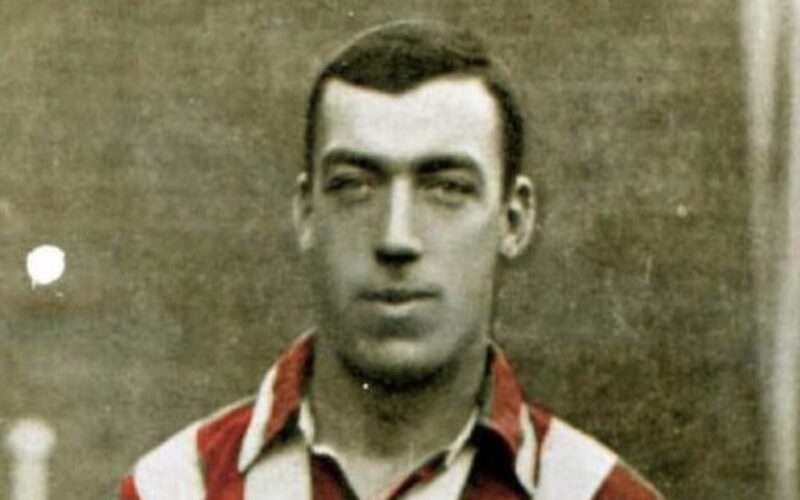
Hugh Goldie, a tough tackling half back from Ayrshire

The First World War had been raging for over a year when the funeral cortege of 17-year-old Robert Goldie brought the small Ayrshire town of Hurlford to a halt. Born in Liverpool, he was the son of well-known local man who had once played football for Everton. Hugh Goldie, Robert's father, was born 10 February 1874 at 32 The Vennal in the Ayrshire town of Dalry where his own father, Hugh, worked as a coal miner, while his mother, Janet, had worked in a textile mill. The family later moved to the Riccarton area of Kilmarnock where Hugh, after completing…
Read More
Andrew Hannah, The only man to Captain Everton & Liverpool

Andrew Hannah, The only man to Captain Everton & Liverpool

Everton Heritage Society and Everton Football Club rededicate grave of important football figure The only man in history to captain Everton and Liverpool lies in a marked grave for the first time thanks to the efforts of the Everton Heritage Society and Everton Football Club. Andrew Hannah, who captained Everton to their first League Championship success in 1891, then led Liverpool to Lancashire League and Football League Division Two titles, had lain in an unmarked grave at Kilbowie Cemetery in Clydebank since his untimely passing in 1940. On Saturday Everton Heritage Society Chairman Brendan Connolly and former Echo Sports Editor Ken…
Read More

St Luke’s – the church with its own football ground

ST LUKE’S – THE CHURCH WITH ITS OWN FOOTBALL STADIUM! Although Everton F.C. started life as the St Domingo’s church team in 1878, it is now closely associated with another place of worship. St. Luke the Evangelist, nestled between the Main and Howard Kendall Gwladys Street Stands, contributes to the uniqueness of The Old Lady. But why does the stadium have a church in such an unlikely spot? A wooden Church of England mission hall predated Goodison Park by at least nine years. Therefore, since its opening in 1892, the stadium has had to grow around this sacred spot. In…
Read More
The Tale of a Former Everton Full-Back

The Tale of a Former Everton Full-Back

George Molyneux was on the books of Southampton when he was selected for England against Scotland, and thus became the first Liverpool-born man to do so, having previously played football for Everton. The 1881 census revealed that George, then six years old, was living with his parents at 29 Sessions Road in the Kirkdale area of the city. The 1901 census showed that the family had moved to nearby Croyland Street and that George, now fifteen, had begun serving an apprenticeship as a plumber. It was around three years later that his name started to appear in the local sporting…
Read More
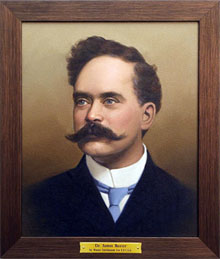
The Good Doctor of Everton

The Good Doctor of Everton

When William Baxter moved to Liverpool from Clitheroe, he opened his own business, as a Chemist and Druggist, at 259 Great Homer Street in Liverpool. Some years later he married a local girl with whom he began to raise a family. James Clement Baxter, the second child to bless this union, was born in 1857. He attended his local school, dedicated to St Frances Xavier, where he proved to be a bright pupil. He quickly moved on to the school's college, run by the Jesuit Order, from where he won a place to study medicine at the King and Queens…
Read More