Rob Sawyer
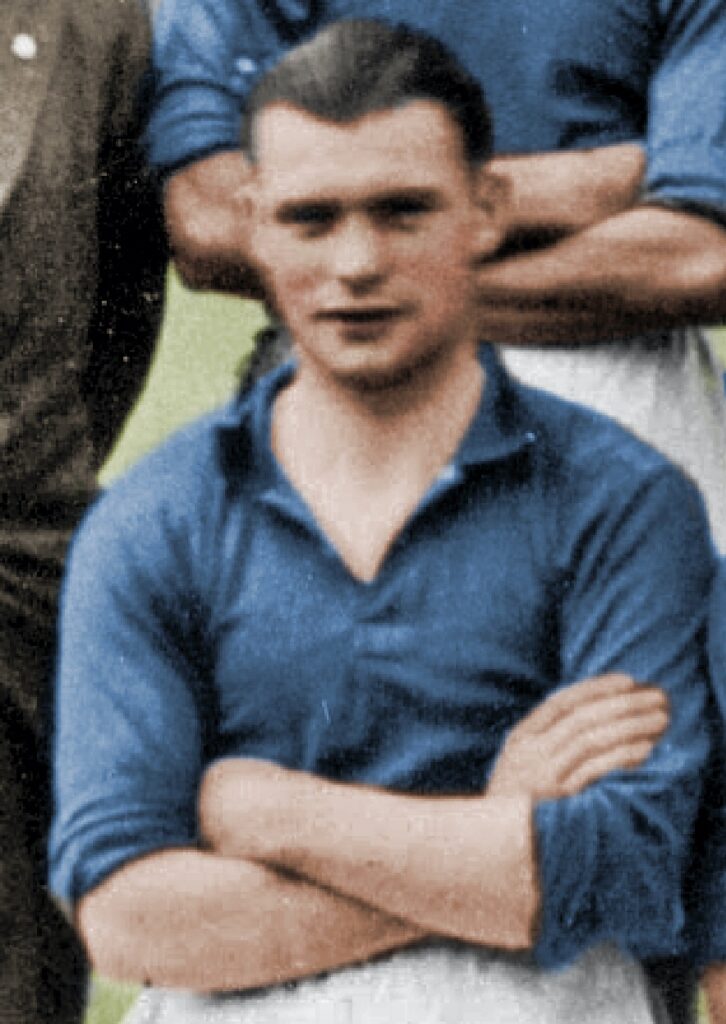
Scotland’s recent match at Hill Dickinson stadium was the third time the Scottish national team had played at an Everton venue (previously v England in 1895 and 1911). This set my mind thinking about which Scottish Toffees I’d love to have seen gracing Goodison Park or the Blues’ new stadium. Foremost in my thoughts are John Bell, the charismatic forward of the 1890s, Sandy Young, our 1906 FA Cup Final goalscorer, Alex Young, our Golden Vision, ace number nine Graeme Sharp, and Torry Gillick, a hero of Everton’s 1938/39 title-winning team. The latter is the focus of this article as I believe that, if it were not for the Second World War, he would be more firmly woven into Everton and wider English football folklore.
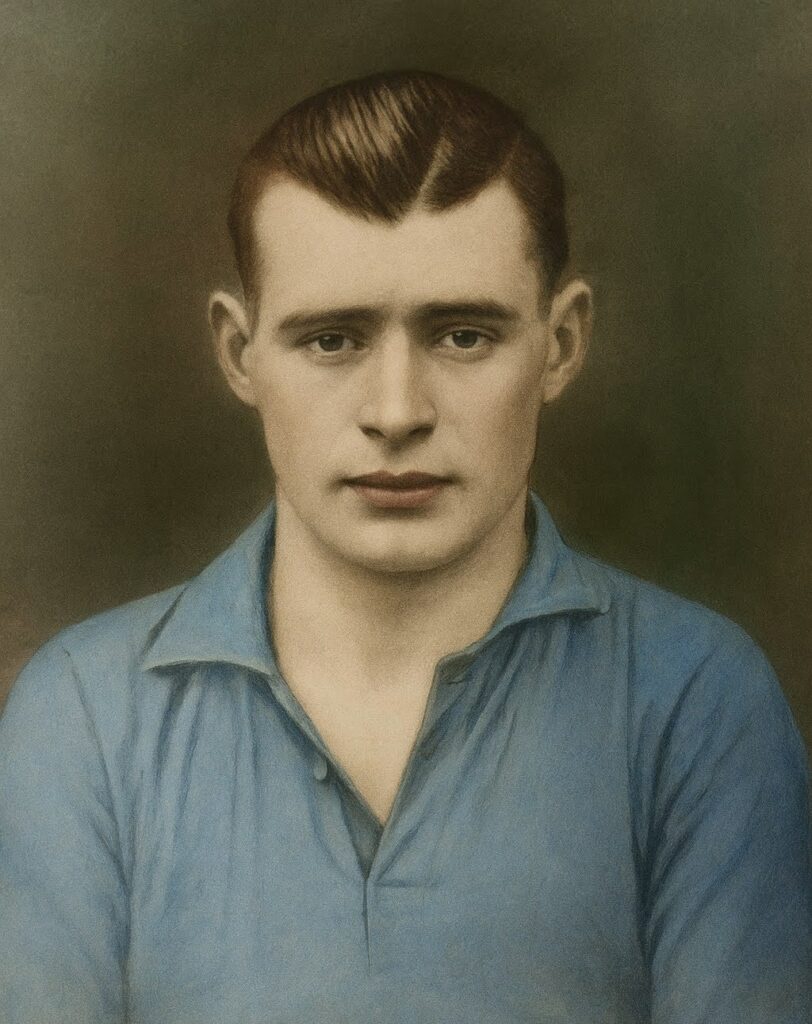
Gartness born Torrance Gillick entered this world in May 1916 and was raised in Moffat Mills in Lanarkshire mining country, to the east of Glasgow, in May 1916, Torry (as he was universally known) made his way up through Scottish junior football. He played as a centre-forward for local side Clarkson United upon leaving school, then Petershill with whom he won a Scottish Junior Championship in 1932, aged 16. A little over 5ft 7in in height and weighing nearly 11 stone, he had a low centre of gravity and was hard to knock off the ball. Blessed with skill in abundance and a trademark ‘shimmy’, he scored goals by the hatful. Manchester United and Arsenal were reported to be interested in luring the young player south, but it was Glasgow giants Rangers who got their man in June 1933 for a fee of £75.
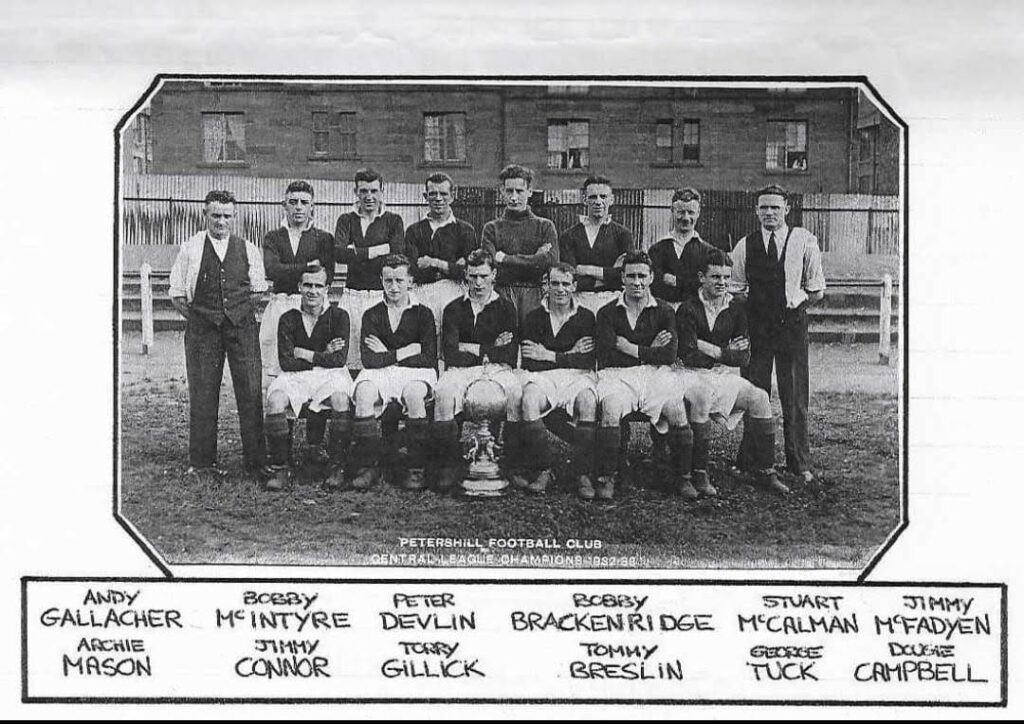
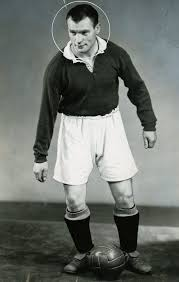
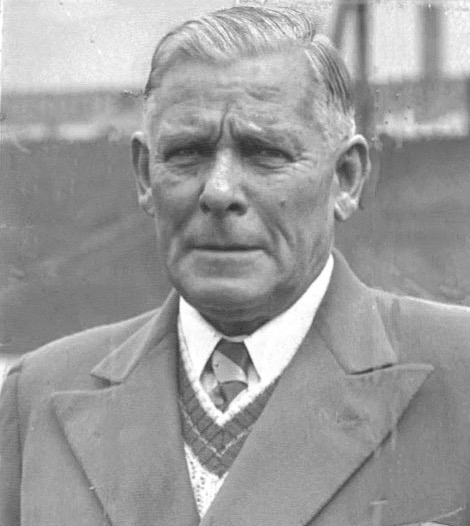
There was always an individual quality to Torry, on and off the football field, as evidenced by his early dealings with Rangers’ legendary manager Bill Struth. Struth had sent his new signing to be fitted out for a club suit, coat and bowler hat. ‘Wear them on match days’ was the manager’s clear instruction. However, prior to the new threads being ready for collection, Torry attended a match at Ibrox as a spectator, but was refused entry by the players’ entrance doorman as no Rangers player would be expected to turn up, sans chapeau. Sent on his way with a flea in his ear, Gillick paid a tanner to watch from the terraces. Struth, a disciplinarian by nature, had a soft spot for the non-conformist forward. The manager would turn a blind eye to Gillick failing to wear his club bowler until on ‘final approach’ to the stadium. He also took some of the youngster’s weekly wage to create a pot of money for when he needed to buy an engagement ring.
Unable to dislodge James Smith, the incumbent Gers centre-forward, Torry acquitted himself well at outside-left when given the opportunity. He played a handful of matches alongside future Everton teammate Alex Stevenson before the Dubliner made the move to Merseyside. In Rangers’ championship-winning 1934/35 campaign, the Moffat Mills man finally became an established first team player, contributing seventeen goals in twenty-seven League appearances – including the winner in a derby at Parkhead on New Year’s Day. The club completed the domestic double by beating Hamilton Academical in the Scottish Cup Final.
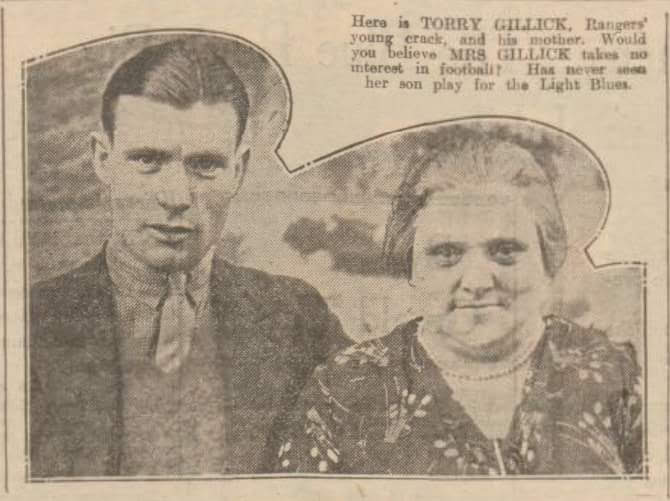
As early as the autumn of 1934, English clubs had been casting jealous glances at Rangers’ precious attacking talent. Manchester City and Everton were amongst those having enquiries rebuffed by the Govan club. When Rangers played St Johnstone in December 1935, four Everton directors were in attendance, having received word from Bill Struth that Rangers might sanction a trade. Subsequently, with powers to go up to £8,000 to secure the nineteen-year-old player’s services, Everton secretary Theo Kelly entered into negotiations with Rangers and the clubs agreed on a £6,500 fee. It seems odd to see a club of Rangers’ size allow a highly-prized star to depart, but every player has his price, and Everton met it (albeit having to shell out a club record transfer fee).
Torry had been tipped off about Everton officials watching him play in Perth, but the first he was formally told of the club’s interest was when he was summoned to Ibrox on 10 December and advised that the deal was a fait accompli. He was not phased; instead, relished the challenge of making his name in England. After signing the papers (he received a £10 signing-on fee and £8 per week in wages) he told reporters: ‘I do not consider going to England will endanger my football career. I have always thought that if you can play the game at all, you will be a success no matter what country you go to.’
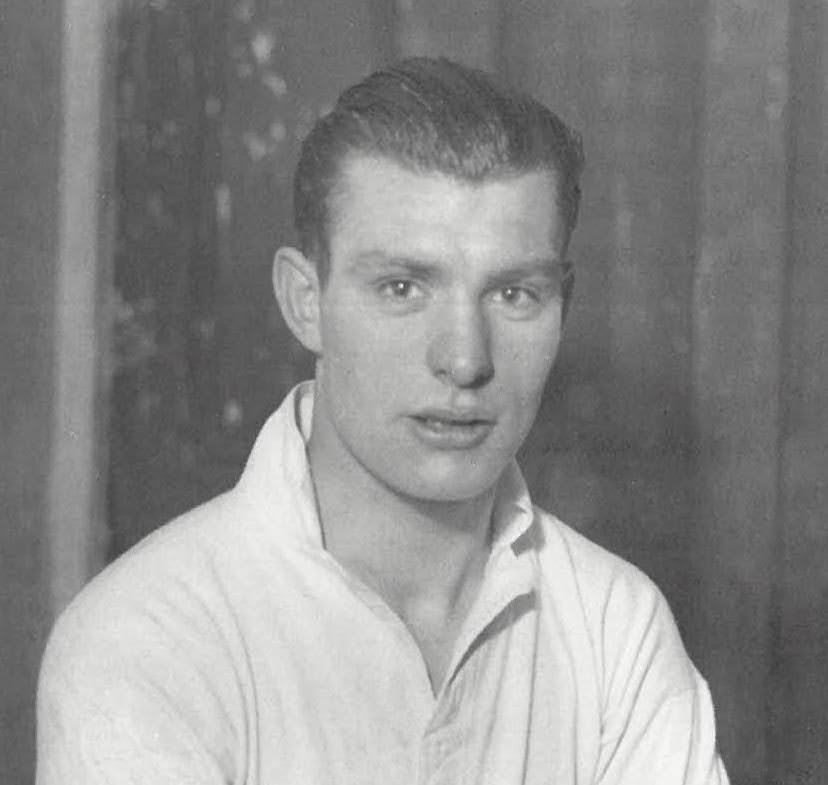
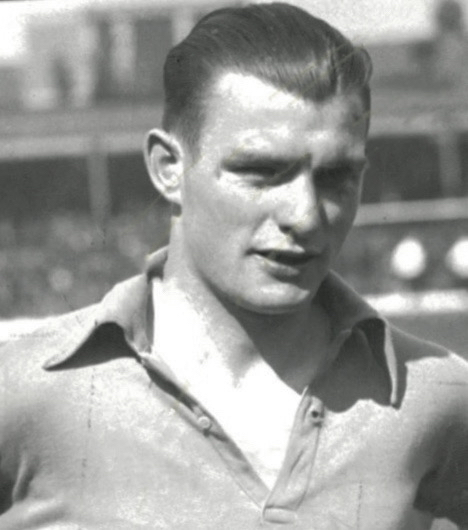
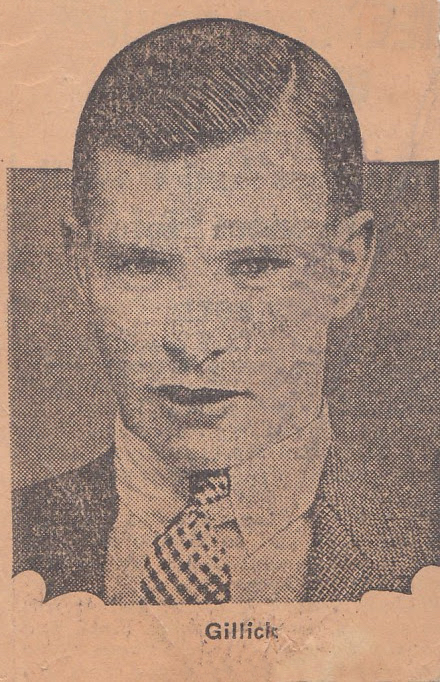
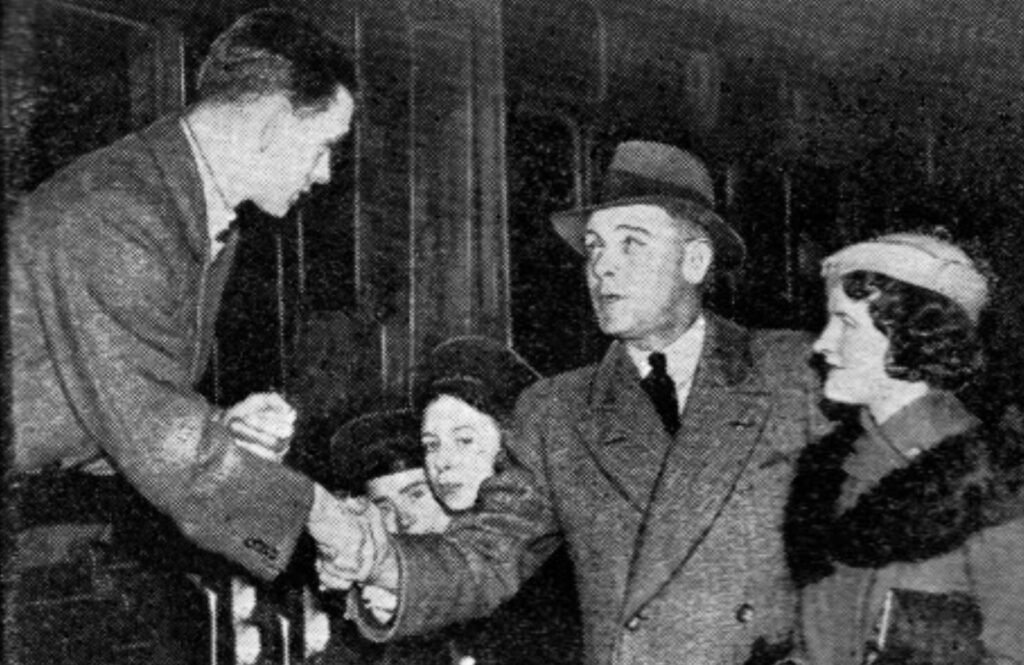
Maybe his head was filled with thoughts of the move as he drove home from Ibrox, to tell his family and fiancée, Molly Williamson, the news (he had met Molly when purchasing a car from the garage that her father ran). This might account for him losing control of the car near Coatbridge, whereupon it skidded and hit a kerb. A smashed windscreen caused minor lacerations to the driver’s hands, but he escaped major injury. Three days later, bruised but unbowed, he boarded a train in Glasgow, with Bill Struth and Molly there to wave him off. A few hours later he was met at Liverpool’s Exchange Station by Theo Kelly, his former Rangers teammate Alex Stevenson, Everton squad member Terry Kavanagh and a small crowd of Everton supporters, excited to see their new acquisition.
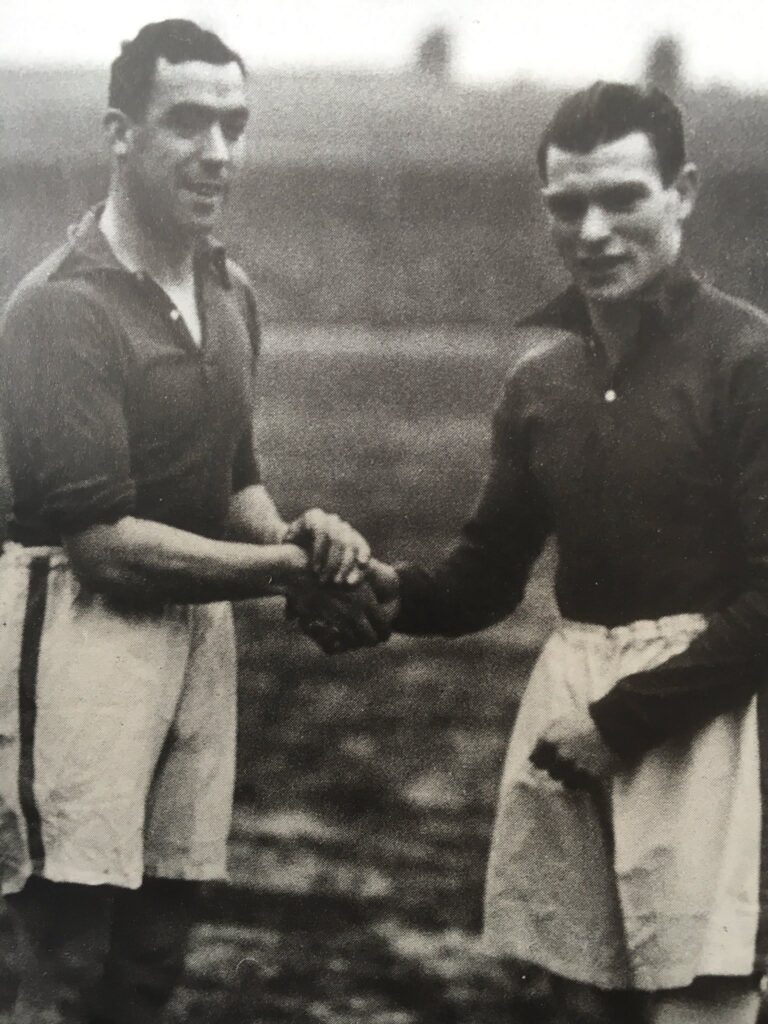
Prior to his Everton bow against Leeds at Goodison Park, he was pictured on the muddy pitch shaking hands with club captain Dixie Dean. Selected to play on the right wing in place of Albert Geldard, he had a reasonably uneventful debut in a goalless draw. He chalked up his first Everton goal in his second start, away to Birmingham City, and had the discerning Don Kendall purring in his Evening Express dispatches from St Andrews:
Torrance Gillick, the 19-year-old Scottish forward, is going to prove a profitable investment for Everton, taking a line through his display against Birmingham at St. Andrew’s on Saturday. The Birmingham forwards were good, but there was none to compare with this new Evertonian in ball control, heading and alertness. It was the first time I had seen Gillick in action. I saw an enthusiastic youth with a wise and cool head on his shoulders. The conditions were all against accuracy, yet Gillick always had mastery over the ball on the ice. He rarely made the mistake of trying to dribble to beat a man, but made the passes do the work. He created many choice openings and I noted that he is adept at out-heading a defender and nodding the ball down to the feet of an inside forward. Gillick crowned a fine display by a grand goal from just inside the penalty area – a drive reminiscent of Harry Chambers without the swerve. The ball travelled about two feet from the ground and Hibbs ‘never saw it.’
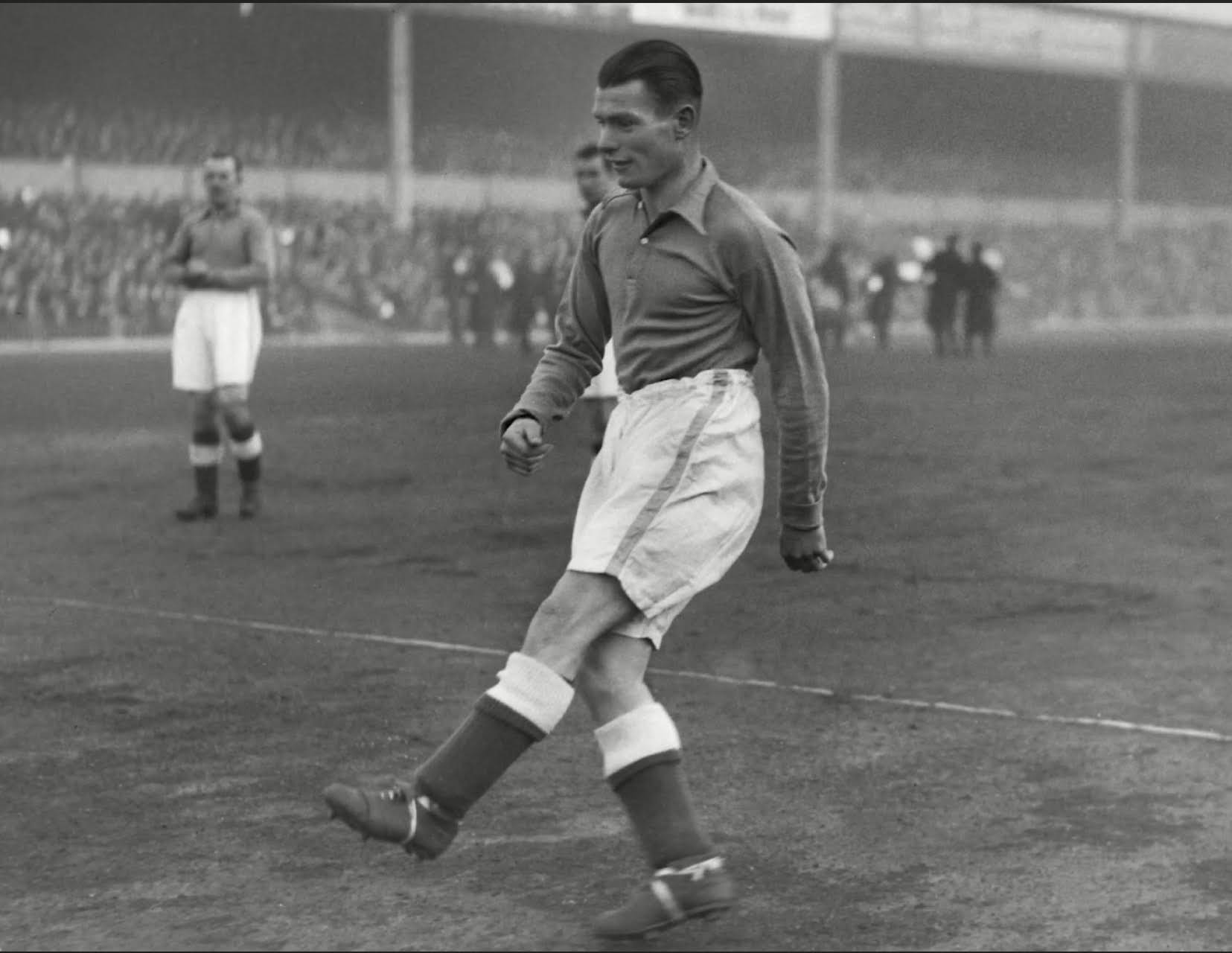
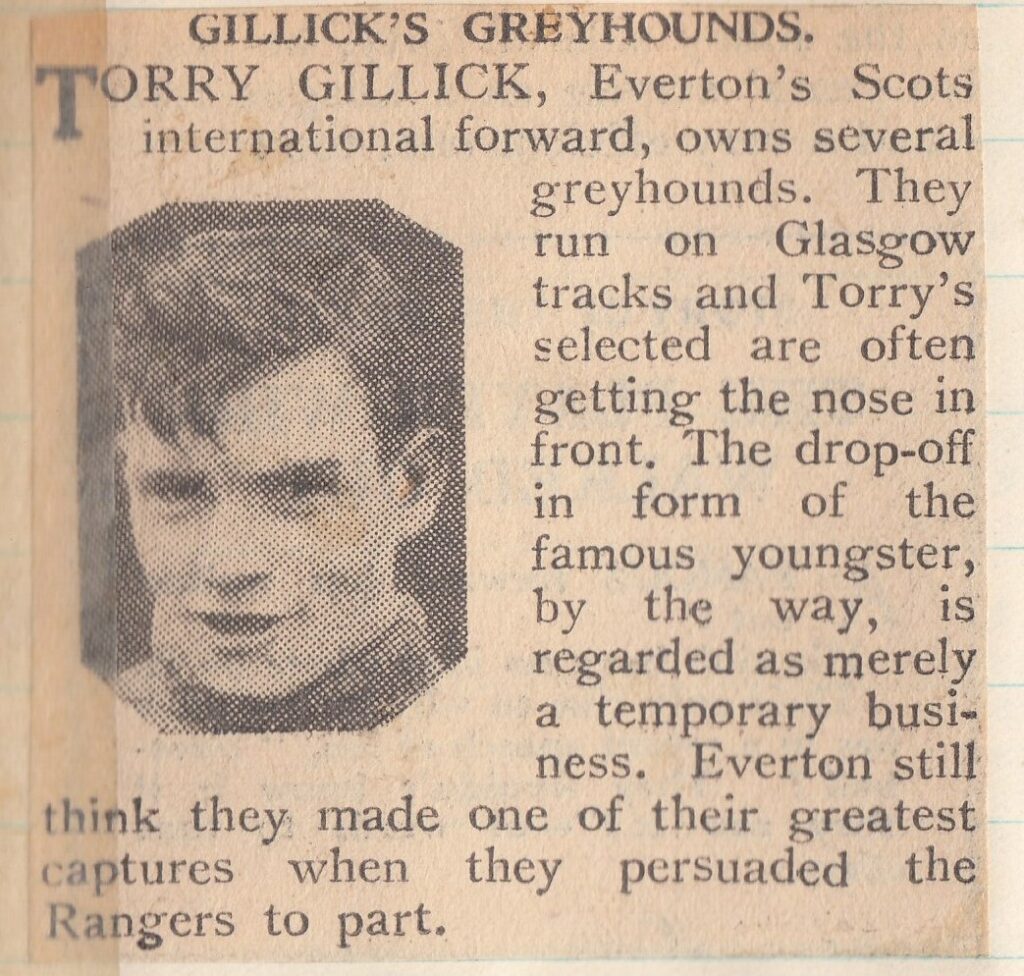
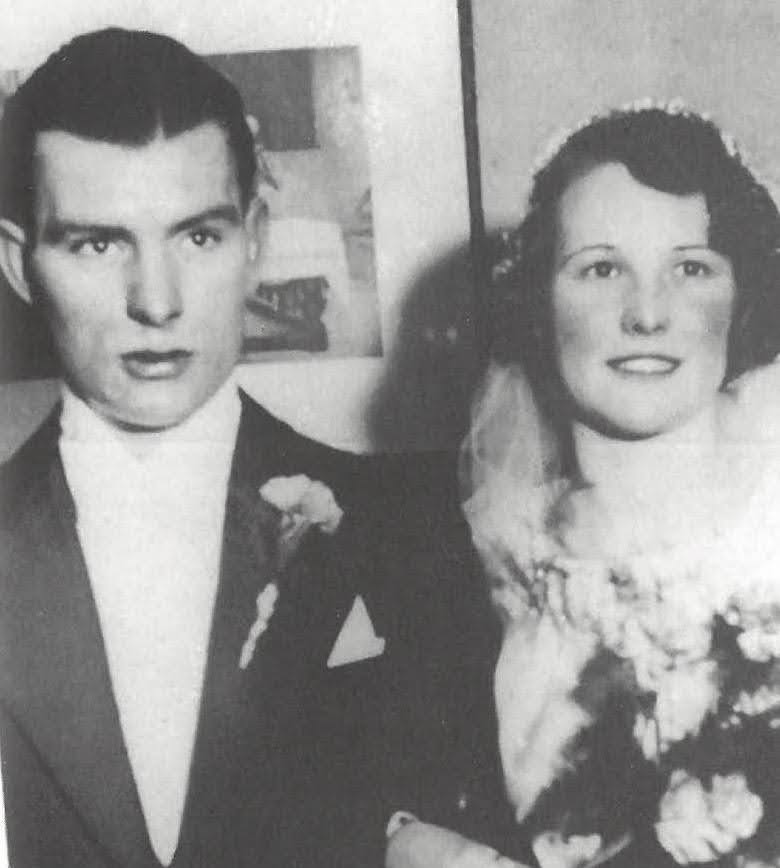
The move south resulted in some hastily rearranged plans. Torry had recently purchased a house in Glasgow, in anticipation of his imminent nuptials. This was quickly placed on the market and he began a search for a home on Merseyside. The wedding ceremony had been planned for Christmas Day, but with the Toffees due to play Sheffield Wednesday on Boxing Day, this was rescheduled to 30 December. It took place at Molly’s home as her infirm mother was housebound. Gillick’s new mother-in-law would pass away just a few days later, but he was back representing the Toffees on 4 January in a Merseyside derby.
The Scot would be a near ever-present for the rest of the 1935/36 season, selected at outside-left, in the absence of the injured Jack Coulter. Subsequently he played on the right, and left of attack, as required. Having previously been denied an international cap when Rangers had declined to release him, the Scot was called up for his debut on 9 May 1937, away to Austria and scored in his second international appearance, six days later.
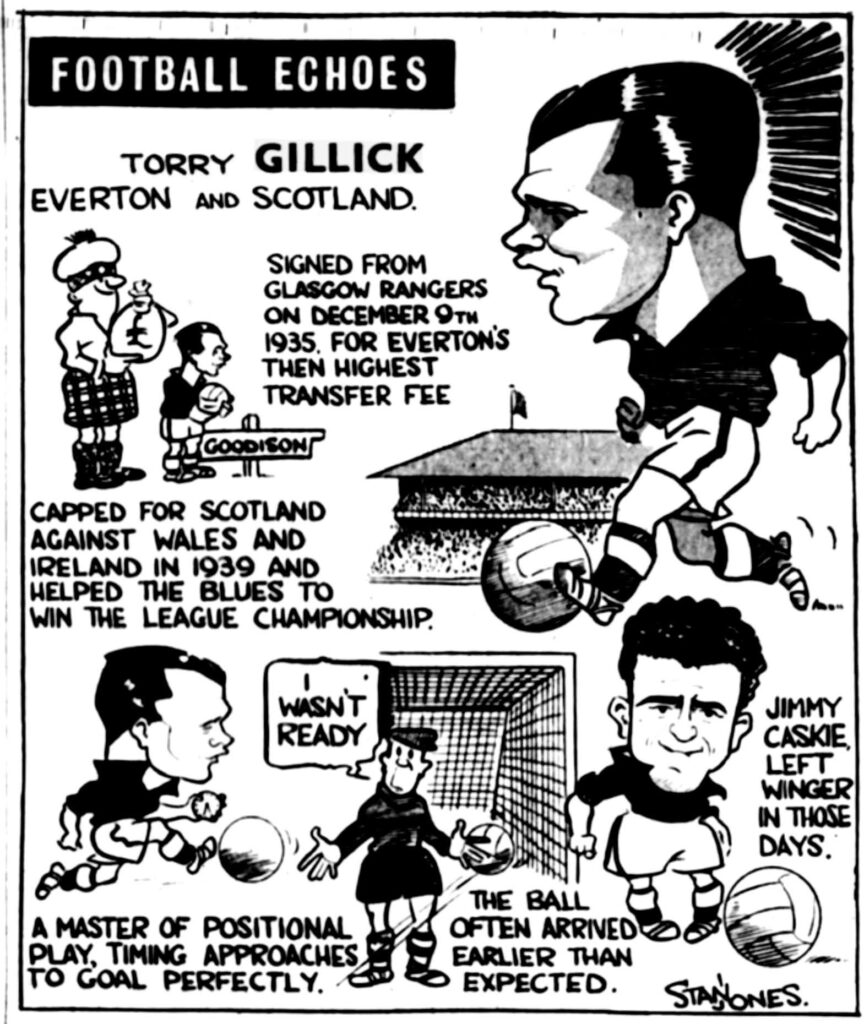
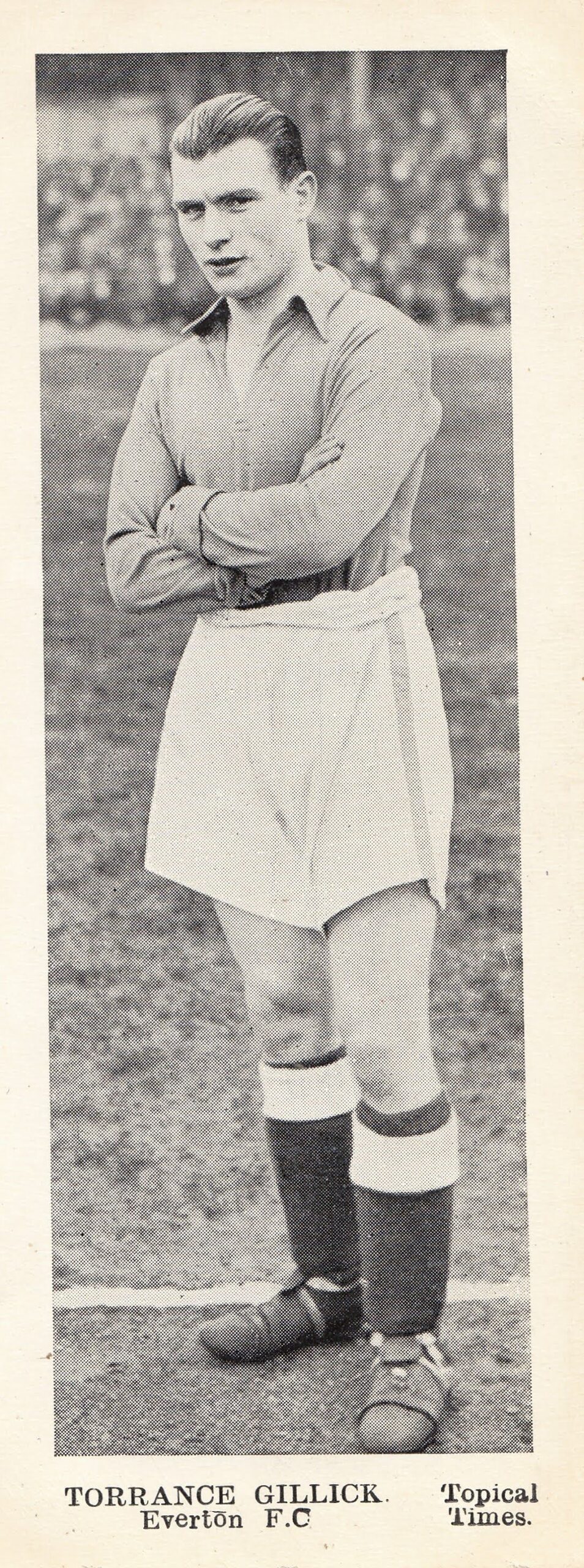
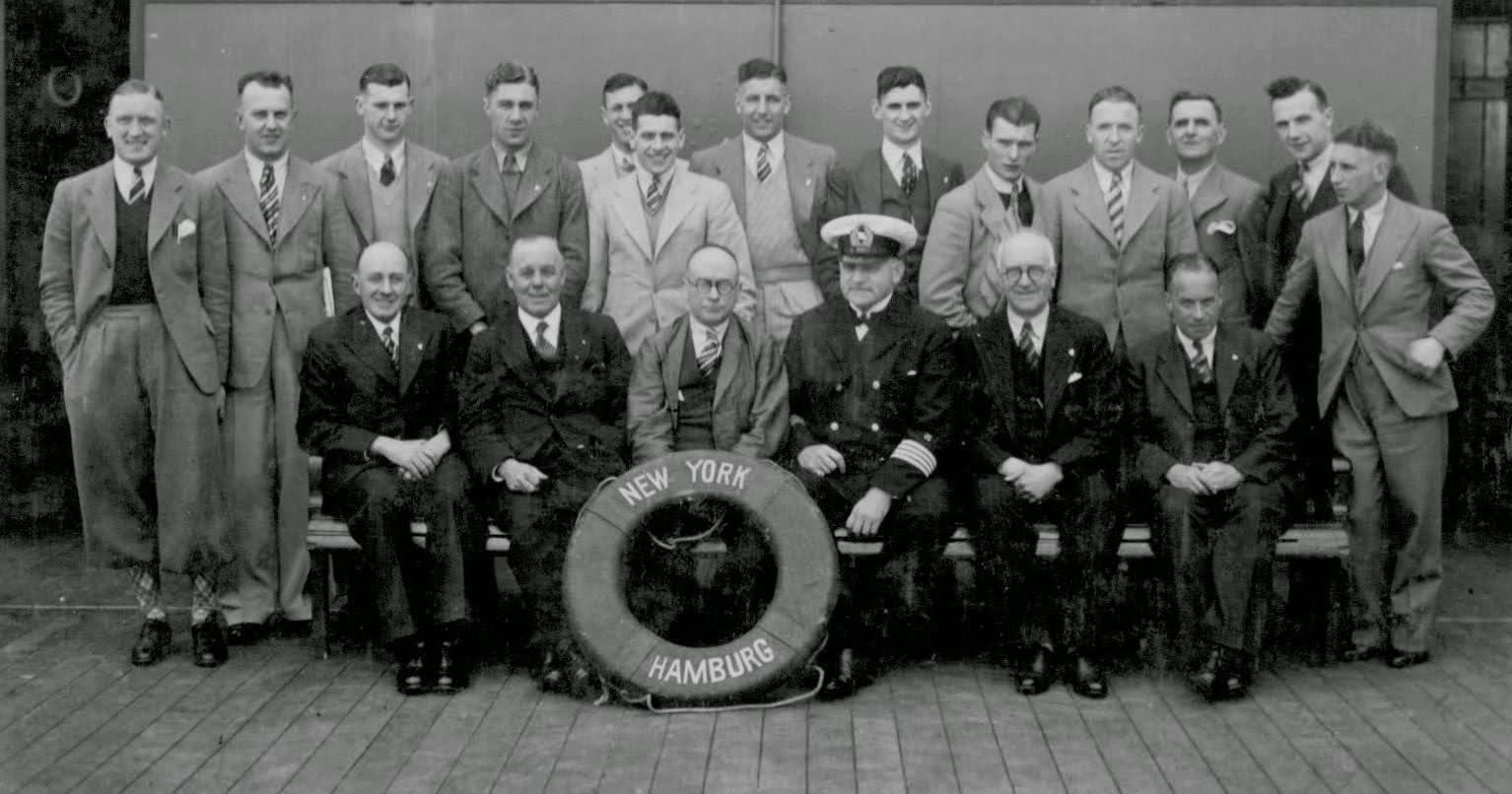
The positional chopping and changing did the forward’s form no favours; this was compounded by a knee injury sustained in pre-season training in 1937. This required surgery and kept him out of action for half of the season. When fit again, he found himself behind Albert Geldard and recent arrival Wally Boyes in the pecking order. The frustrated Scot submitted a bold request to the board that he only wished to be considered for selection as an outside-right. It was quite a demand in those days of director power. Remarkably, he got his way in the summer, following the departure of Albert Geldard to Bolton Wanderers. Geldard had sometimes been a target for the Goodison boo-boys and fancied a change of scenery. He later regretted the move, but Torry was the beneficiary.
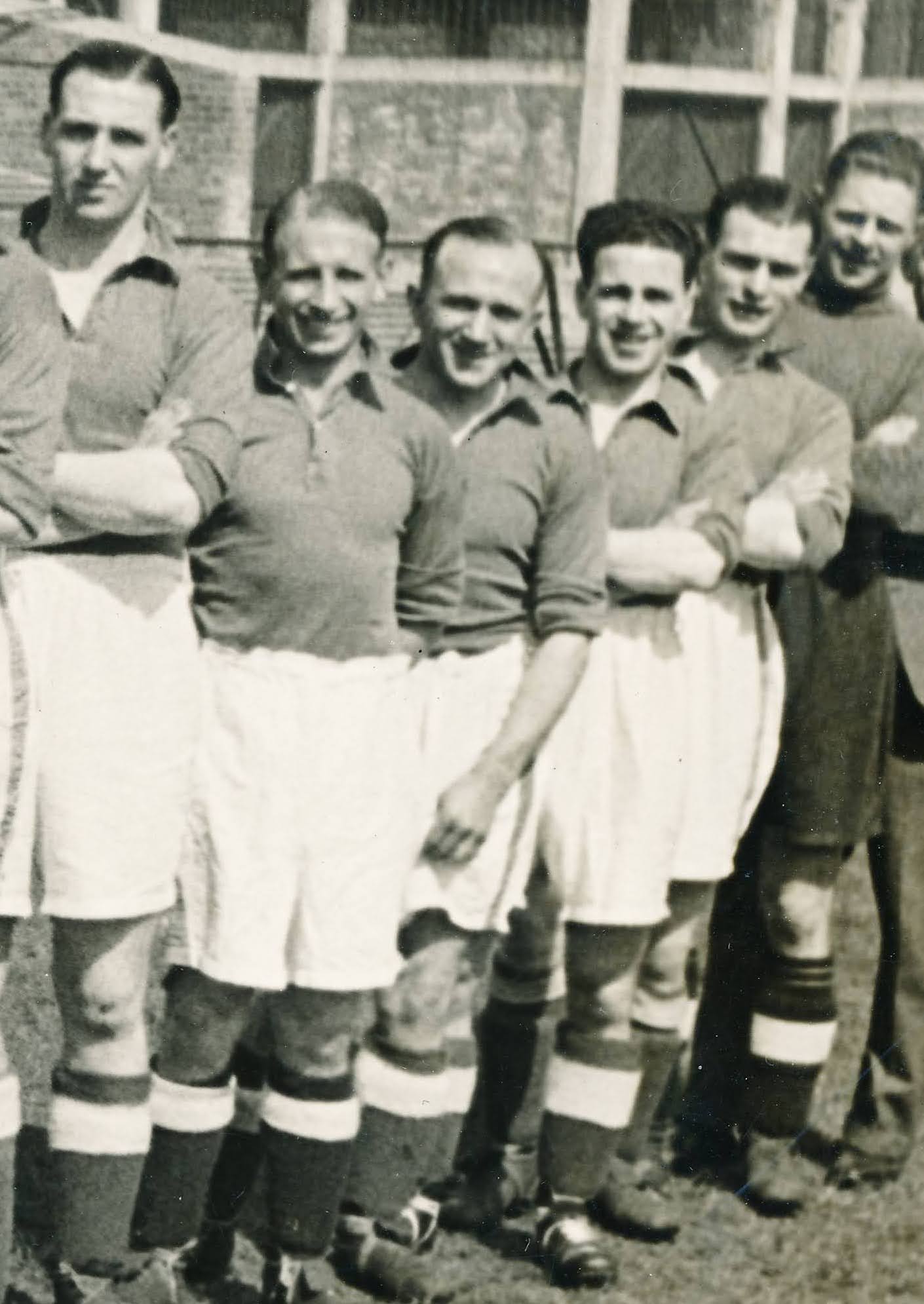
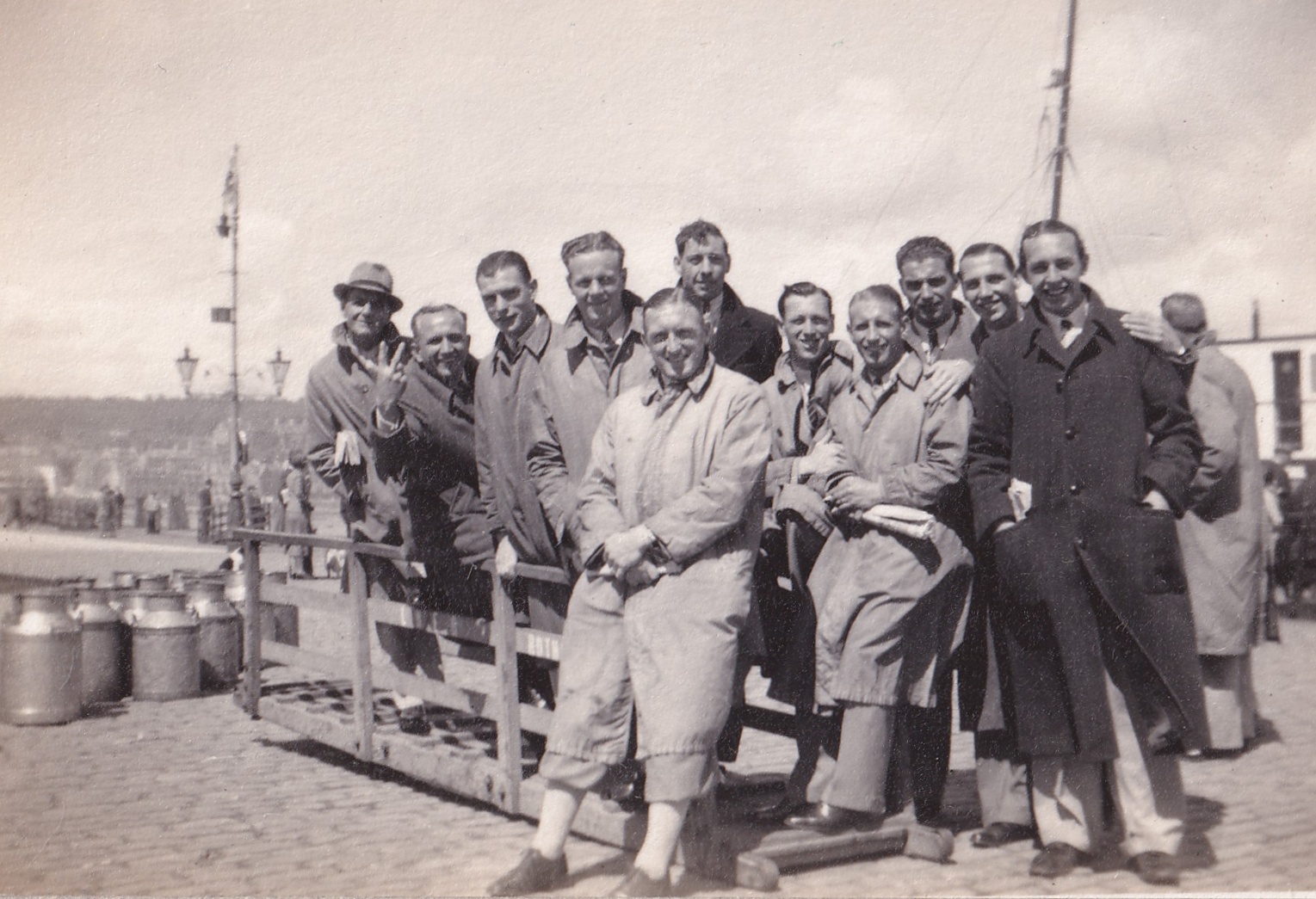
in the summer of 1939
So, Torry kicked-off the 1938/39 season on the right wing and displayed the form of his life, even if his talent remained mercurial. He benefitted hugely with the selection of Stan Bentham at inside-right in place of the injured Jimmy Cunliffe. Cunliffe was a talented attacker who had been capped by England, but Bentham was more of a grafter, and this freed up Torry to focus on tormenting full backs. Bentham experienced a mixture of admiration and exasperation when partnering Torry on the right side of the Toffees’ attack. The hard-working inside-forward described the winger as seemingly being more focused on the outcome of horse races he had bet on before kick-off than proceedings on the pitch. However, Bentham explained that this could be to the team’s advantage:
‘I’m sure he used to go to sleep for most of the match, and the full-back used to go to sleep with him, thinking, “What a nice day today, nothing to bother about” – but suddenly he would tune in and go past three or four blokes as easy as anything, and either score or put over a great shot. He came in patches, but when he was on top, he was really unstoppable. I had to work twice as hard, meanwhile – Joe Mercer, too – and then he’d come in with these two [moments] and we’d forgive him, really.’
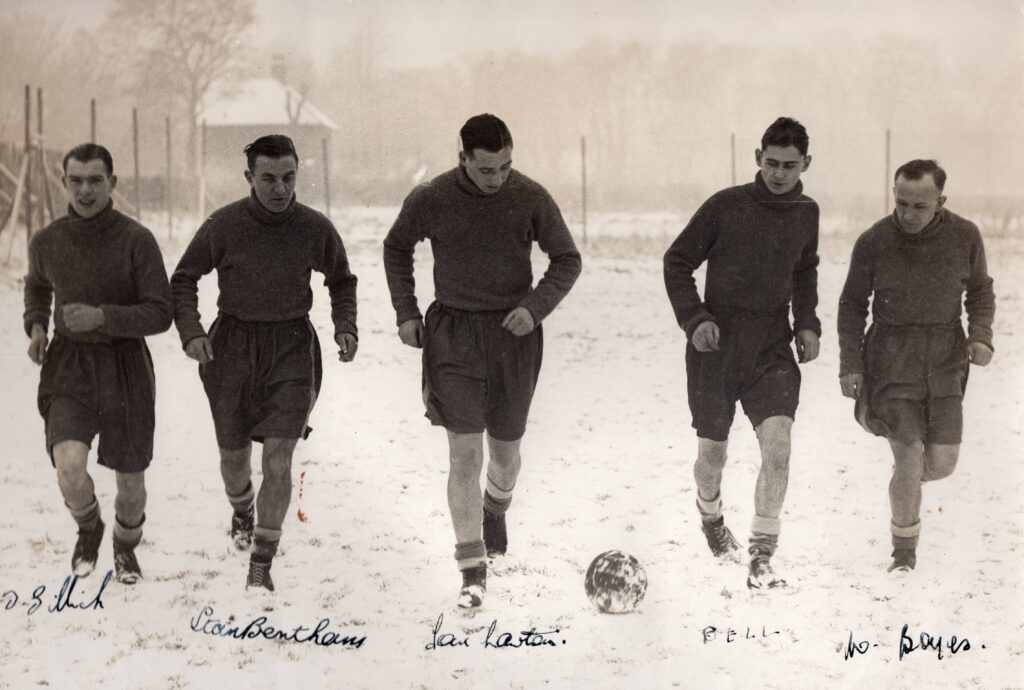
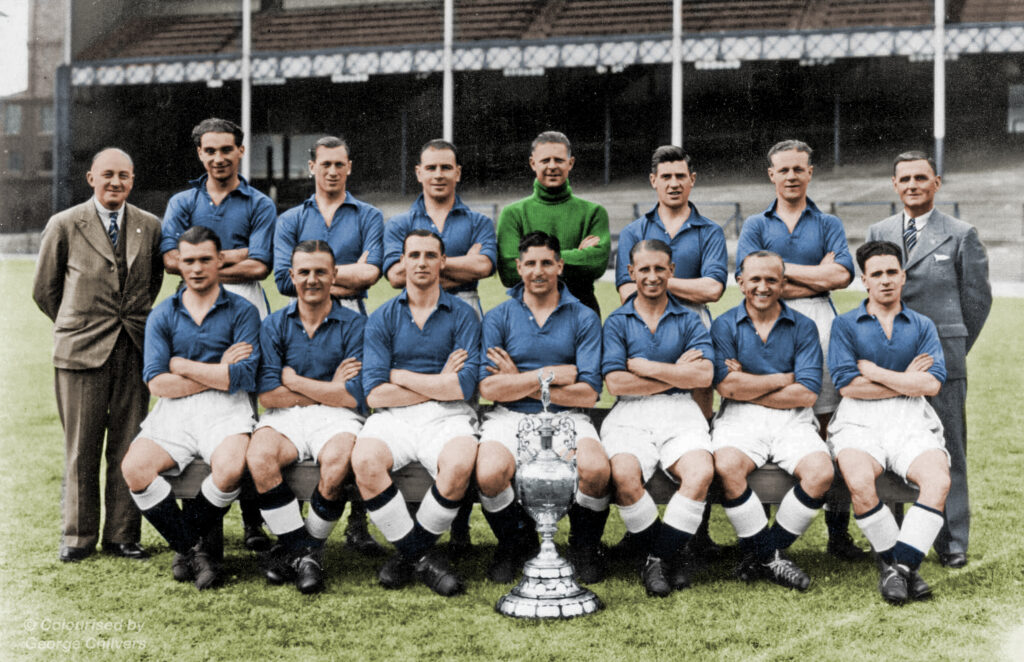
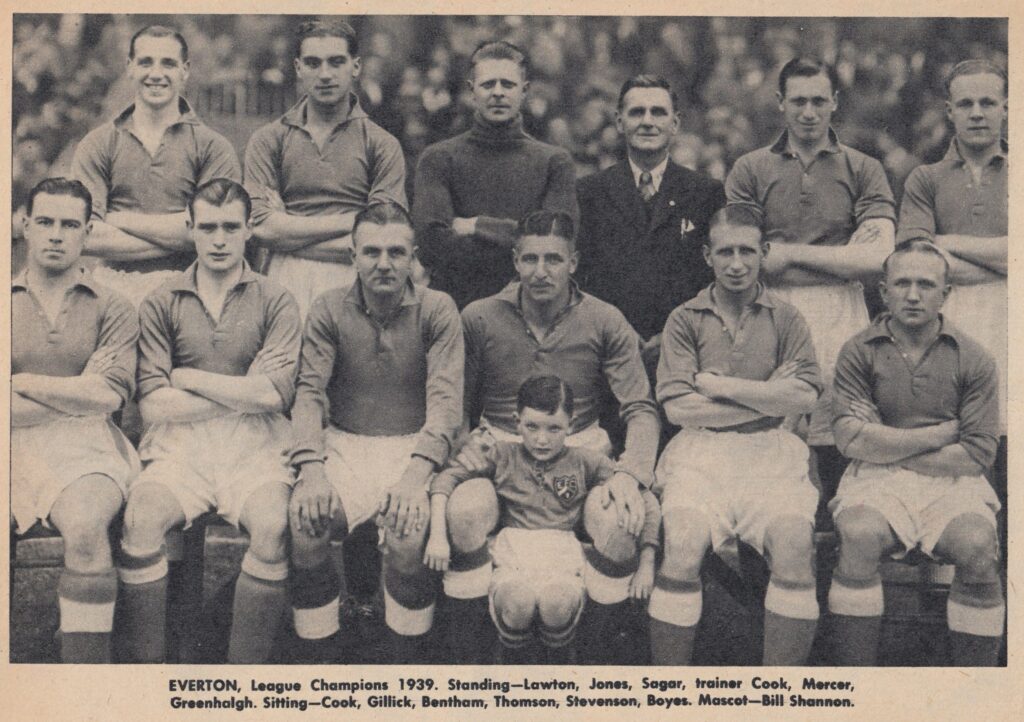
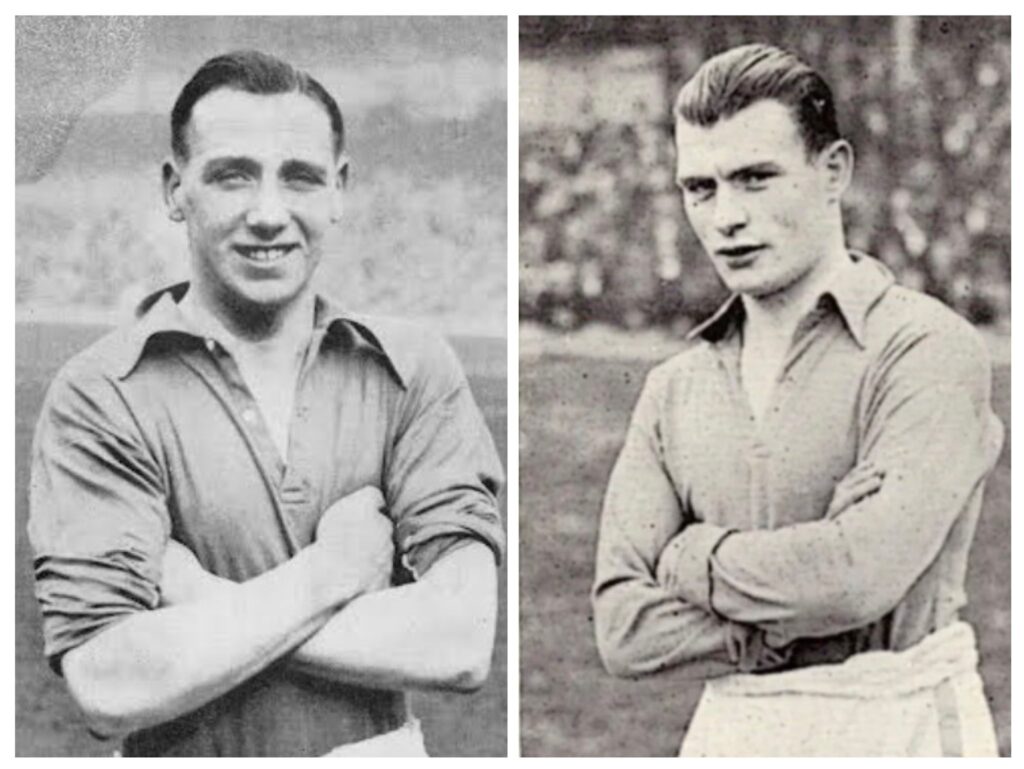
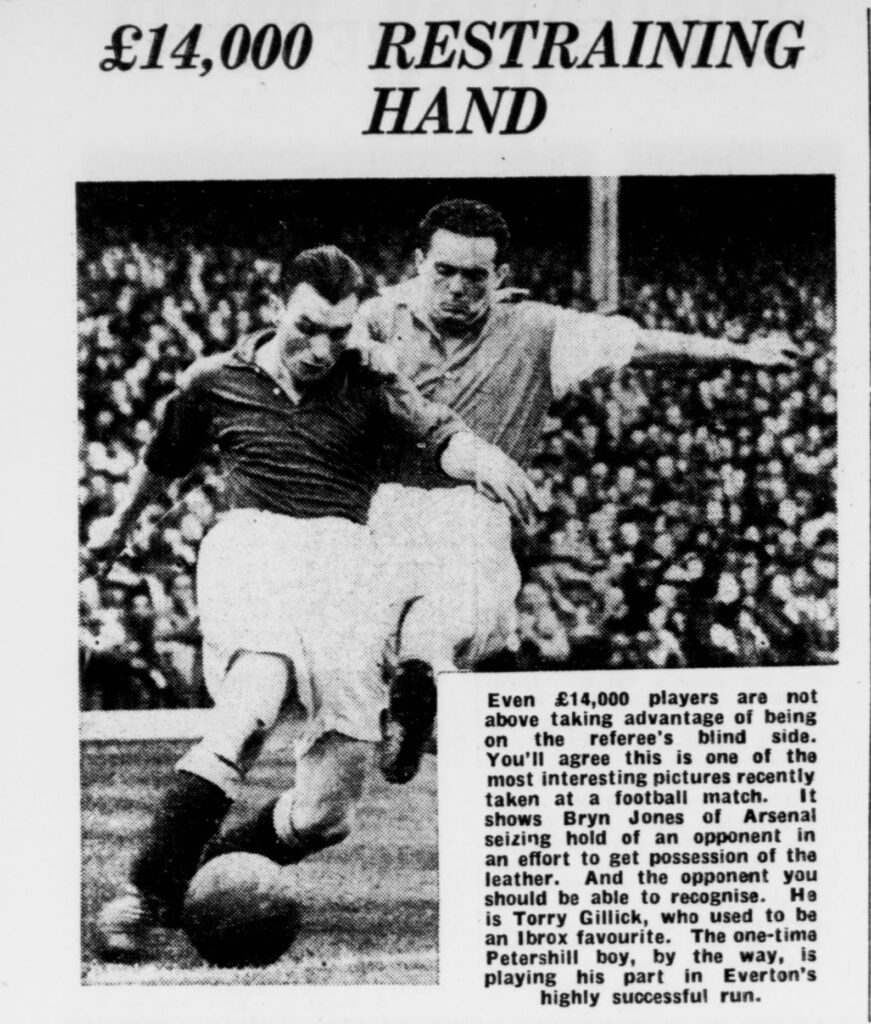
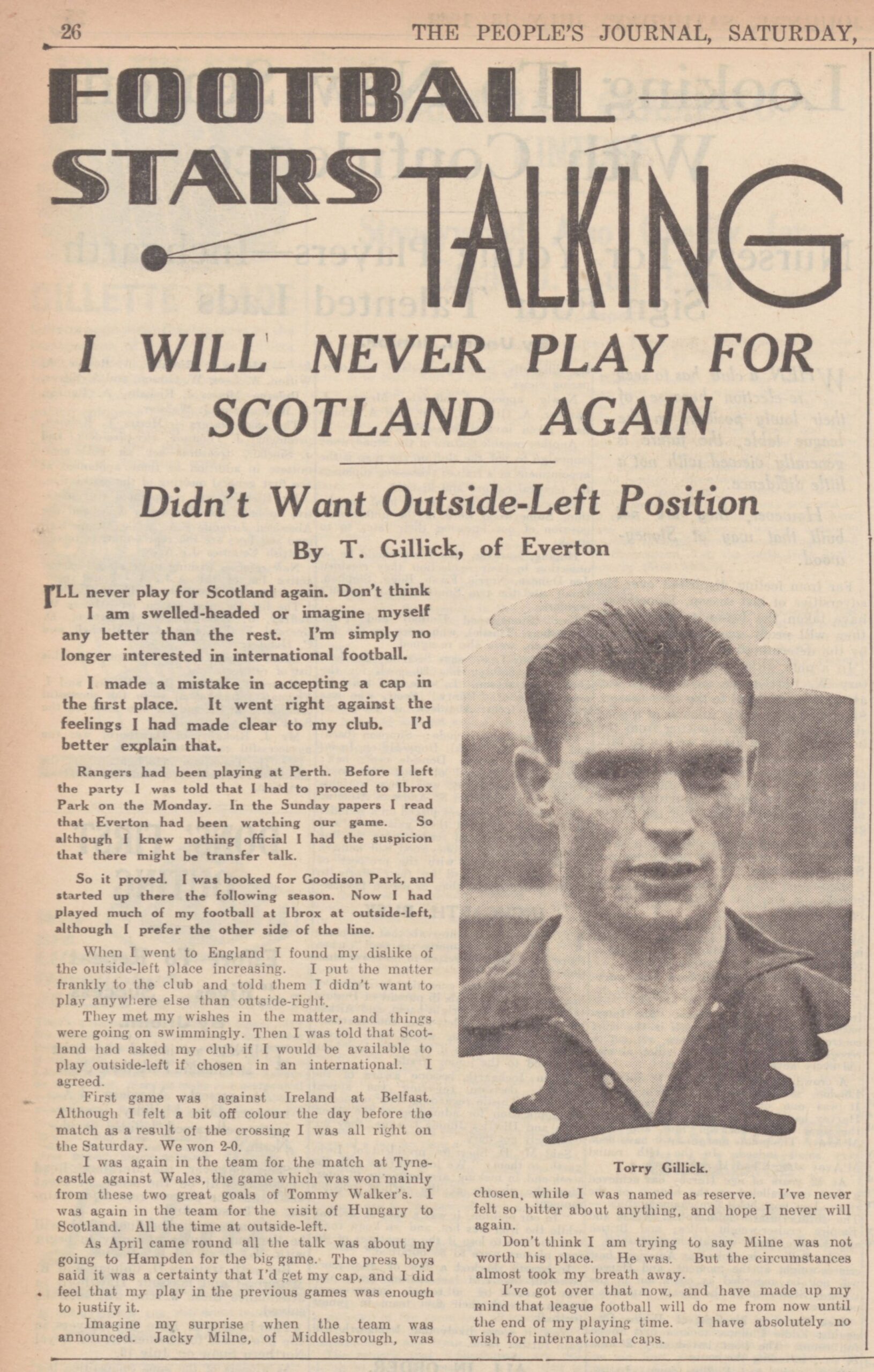
Torry was never a traditional winger who hugged the touchline. Drawing on his previous experience at inside-forward and centre-forward, he was prone to drifting inside, often switching positions with Bentham and Lawton. This baffled their respective markers and was highly effective. Adept at getting his shots away early and surprising goalkeepers, not unlike a young Wayne Rooney, Torry contributed sixteen goals in forty-five league and cup appearances that season, making him the second-highest scorer in the squad. He was rewarded for his early season form with a return to the Scotland ranks in early October. He would make three appearances in the dark blue shirt before the end of the year, bringing his total to five appearances (scoring three goals). Surprisingly, he was overlooked for the match against England in 1939 and felt bitterly disappointed. In July of that year, he told the People’s Journal: ‘I’ll never play for Scotland again. I am simply no longer interested in international football. I have made up my mind that league football will do for me until the end of my playing time.’ As well as being hurt by the selectors’ snub in the spring, he had been less than enamoured at being selected out outside-left in his three previous appearances, in spite of his form on the other flank at club level.
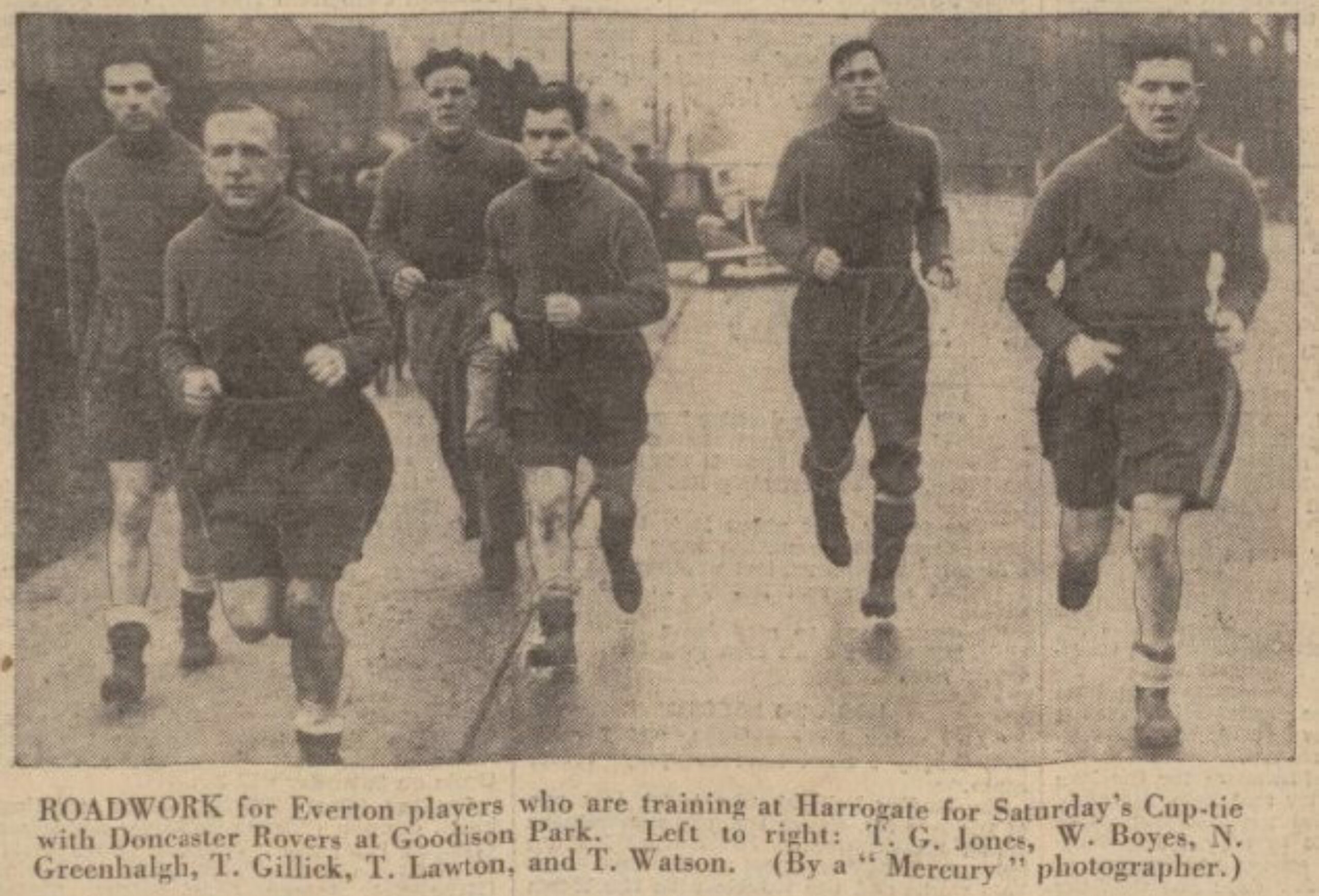
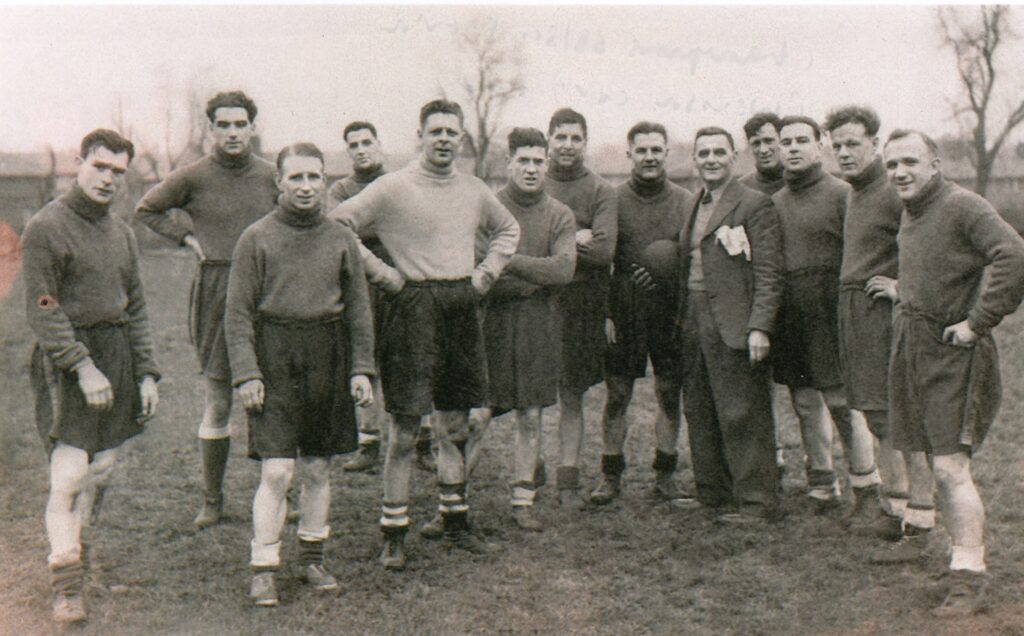
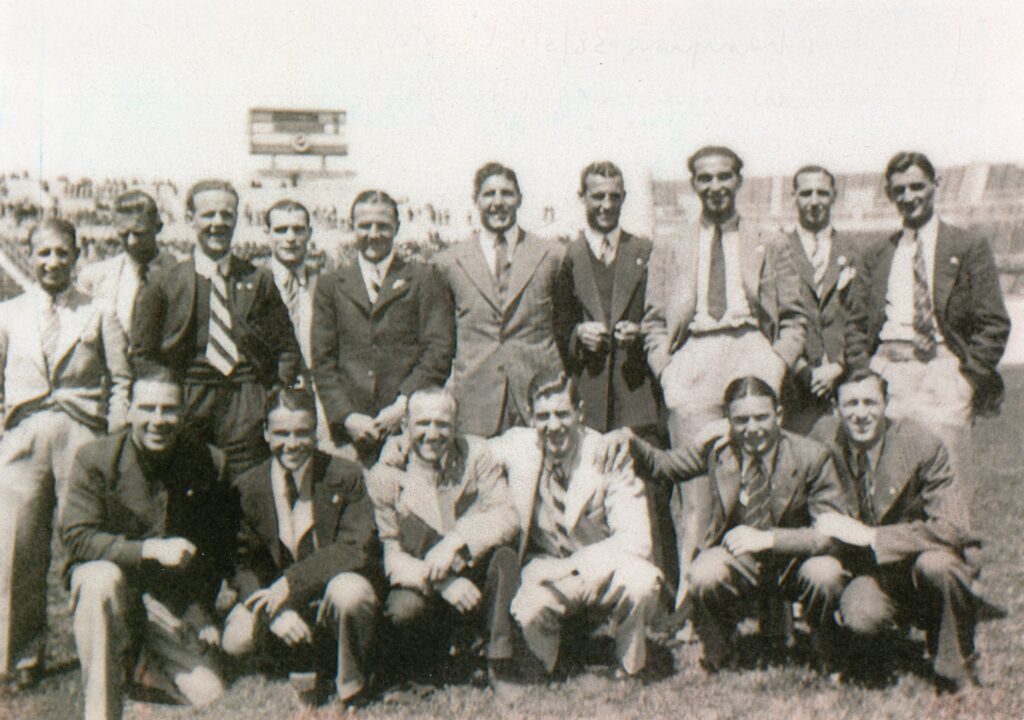
In addition to footballing talent, much of this Everton team’s success was based on a sense of camaraderie bolstered by frequent training camps in Harrogate. Torry would be both the instigator and the butt of many pranks, but it was the devilish pair of Alex Stevenson and Wally Boyes that often came up trumps. On one occasion, Torry leapt out of bed, exclaiming that there was a crocodile in it. The sheets were whipped off to reveal a tortoise munching on a piece of cabbage, having been placed where Torry’s feet would be. The culprits in the tortoise plot were not revealed, but Torry would have had his suspicions.
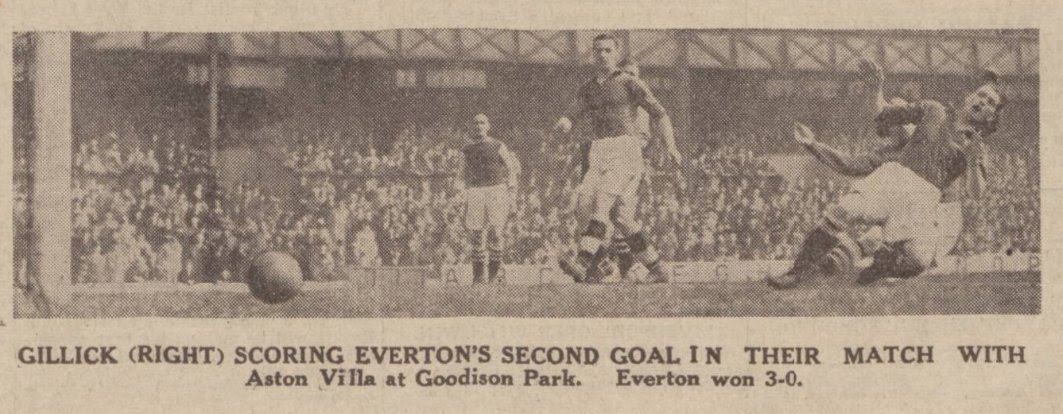
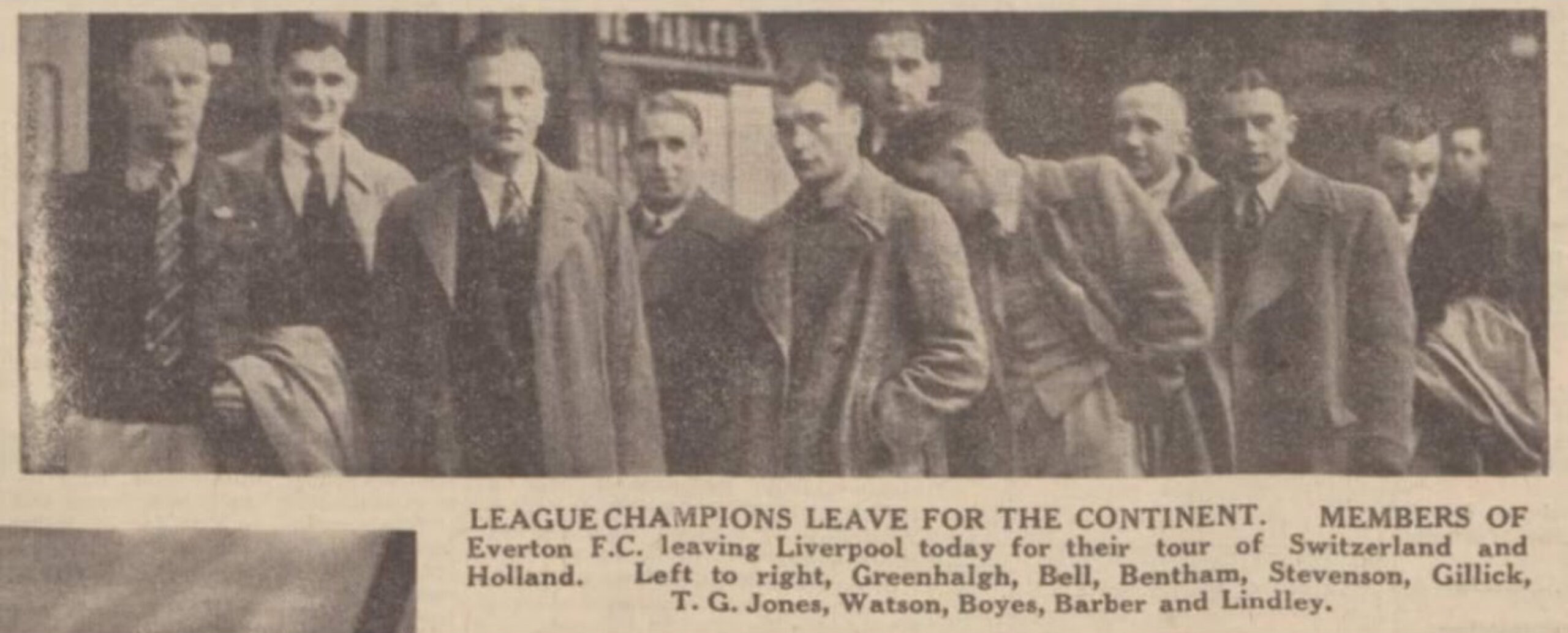
The 1938/39 season’s run-in ended painfully for Torry when he was wiped out in the act of scoring by the Aston Villa goalkeeper. He was off the field for a few minutes with a blooded and broken nose, which continued to trouble him on the post season tour of Switzerland and the Netherlands.
With the outbreak of war, and abandonment of the Football League programme, Torry initially gained employment as a ship’s painter on Merseyside. Perhaps, the scratch nature of the hastily formed war leagues and cups, and diminished crowd numbers, didn’t inspire him to focus as fully on his game as he had previously. His form for Everton became patchy and he got the bird from some supporters, notably in a match against Stoke City in which he was criticised for playing poorly and appearing disinterested. It illustrates how quickly a player can go from hero to the butt of barracking. One supporter, using the pseudonym Sportsman was moved to write to the Liverpool Evening Express with a plea for patience and understanding:
How about an appeal for fair play for Gillick. Watching Everton these past few weeks it is obvious that Gillick is not playing as well as he did last season. But, surely, just because a man happens to lose form for a while, he should not be subjected to unkind remarks from spectators near the stand line. Perhaps those who shout should remember that in their own jobs some days they feel much better than others. So, please let us have consideration for Gillick – and, incidentally, every man on the field.
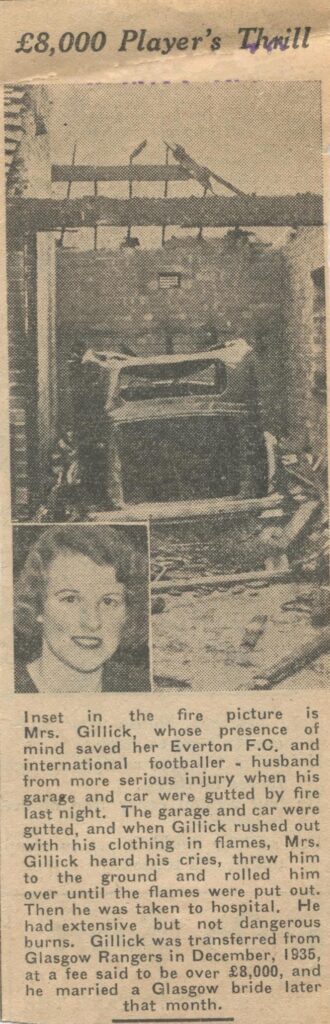
Come November 1939, the footballing tribulations were put into perspective when the Everton winger nearly lost his life. Torry was in the garage of the family home at 99 Altway, Aintree, when fire took hold. Molly’s quick reaction to the crisis meant that her husband escaped with his life, albeit with severe burns. He later explained: ‘I was working with the car in the garage when flames spurted out of the engine and set my clothes alight. I let out a yell and tried to put them out. I was lucky my wife Molly heard my yells. She ran out of the house, pushed me to the ground and rolled me about. There isn’t much doubt that she saved my life.’
The stricken Scot was rushed to Walton Hospital, suffering burns to his arms which required skin graft surgery in the New Year. Larry Gillick recalls how his father’s strength of character was vital in this trying time: ‘He was grafted from his neck right down his arms and legs. It was a bad situation, but he was a tough man. Not much would put him back.’ Shortly before the skin graft procedure, Torry was allowed some time at home and had the fillip of an unexpected visit when the Everton team bus made an unscheduled stop on the way to a match at Southport, to pick up Wally Boyes’ football boots (the pair were neighbours).
The skin graft operation was a success, and, in early February the patient was granted permission to return to Scotland for a five-week holiday. Towards the end of his stay, he trained with Airdrieonians and guested for them in two cup ties. His return for the Toffees came at Maine Road on 9 March 1940 – a 2-2 draw with Manchester City. He was a prominent figure in Everton’s attack and scored with a well-placed shot, away from the goalkeeper’s reach.
Hopes that this would be the start of a Goodison renaissance for the wide-man were misplaced. Just three days after the comeback match, it was announced that Torry was returning to Scotland to work in an aircraft factory, pending being declared medically fit for military service (an estimated timescale of three months was given). He returned to Airdrieonians as a guest player, making one outing for the Toffees, having endured an 18-hour train journey to London from his base in Scotland. The patched-up Blues side, which featured the veteran Charlie Gee in place of T.G. Jones, went down 2-5 to the Cottagers.
For the 1940/41 season, Torry returned to play for Rangers as a guest. Ending his self-imposed international football exile, he accepted a call up for the wartime Scottish team to play England at Wembley on 16 January 1942. He suffered a heavy blow to the head, suffering severe concussion that necessitated a ten-day spell in hospital. In all, he would make four wartime international appearances.
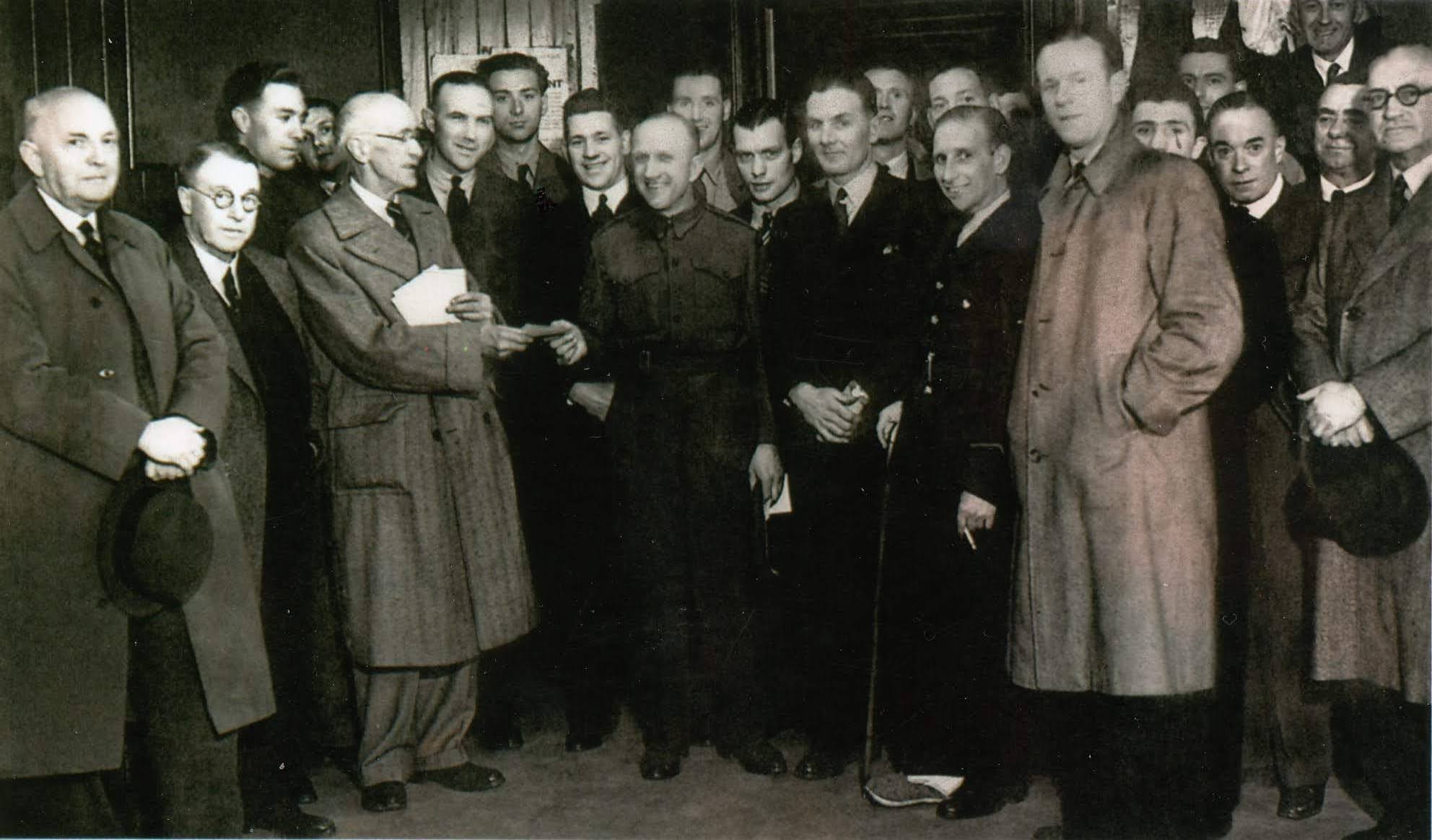
On 10 April 1944, he was back at Goodison Park to play for his parent club. It was something of a last hurrah for the great side of 1939, who were gathered to receive their long-service ‘benefit’ cheques. Torry had failed to bring his boots to Merseyside, but they were sent after him and arrived before kick-off. Although not exhibiting the fitness and dash of before, in a 3-0 defeat of Liverpool it was reported that: ‘Gillick’s timing of a pass and his easy shifting into correct position was there, still.’ Almost a year elapsed before the Scot ventured south for his two final appearances in the royal blue of Everton – fittingly they were in back-to-back encounters with the neighbours from across the park. Appearing at inside-right he could not prevent a defeat in the first match, but he rounded things off in fine style with a 3-1 win on 2 April 1945.
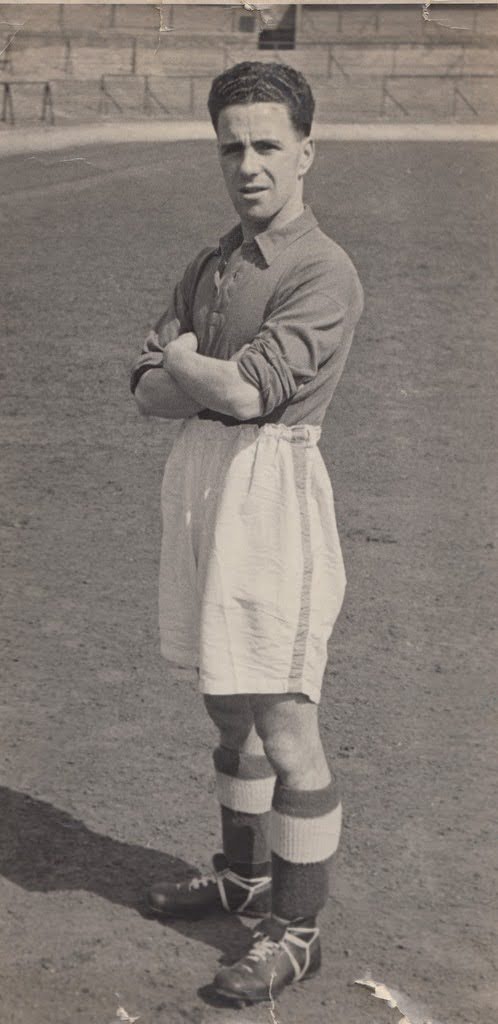
Six months later, the Toffees accepted a Rangers offer of £5,500 for Torry and Jimmy Caskie (who had been guesting for Hibernian). Torry would become the first player to be signed twice for Rangers by Bill Struth on two occasions and at twenty-nine was adjudged to still have much to offer his former club. Everton would miss the Scottish wing pair greatly, as they struggled to create chances and score goals in post-war seasons. For a forward who was nominally a wide man, Torry’s goal output of forty in 199 peacetime appearances for the royal blues was remarkable and was not something that his successors could dream of matching.
Shortly after rejoining Rangers formally, Torry was at the centre of a famous incident. The mighty Dynamo Moscow came to Ibrox in November 1945 during their British tour. The Russian outfit had objected to Jimmy Caskie playing, as they argued that the transfer papers had not been completed in time – but Torry did play. After substitutions were made by both teams during the second half, Torry counted twelve Dynamo players on the pitch and alerted the referee to the fact. The match ended 2-2.
In post-war football, he formed a highly effective right-sided attack partnership with future Gers boss, Willie Waddell. He would come up against his former team Everton, just once, in a testimonial match played in Belfast in the spring of 1946. Although Torry showed the Toffees what they were missing, he could not prevent the Merseysiders from running out 3-2 winners. In the 1946/47 season, the first of a regular fixture schedule, Rangers won the Scottish League and newly inaugurated League Cup. A year later the Scottish Cup was added to the honours list, 129,176 watched Rangers defeat Morton in the replay.
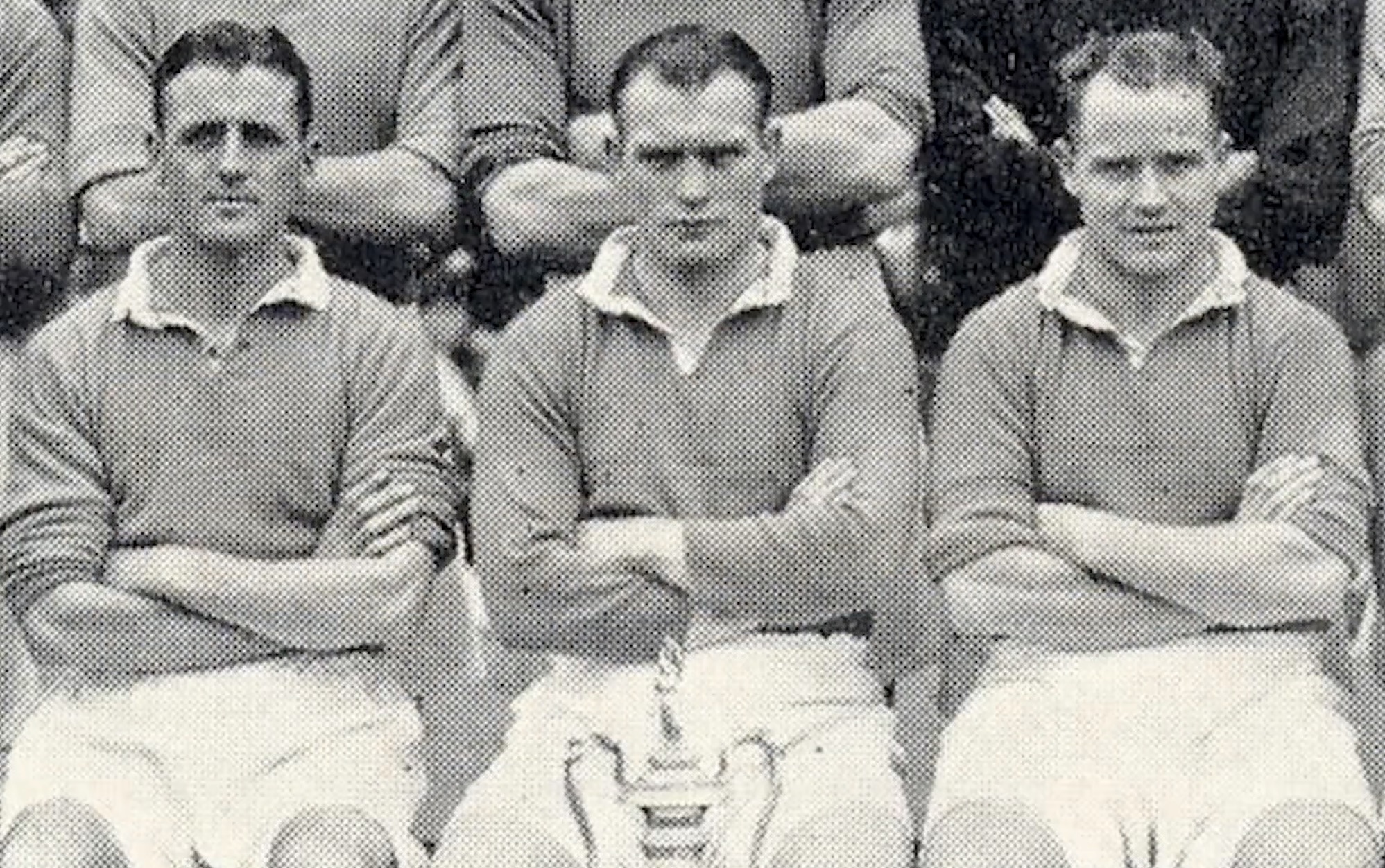
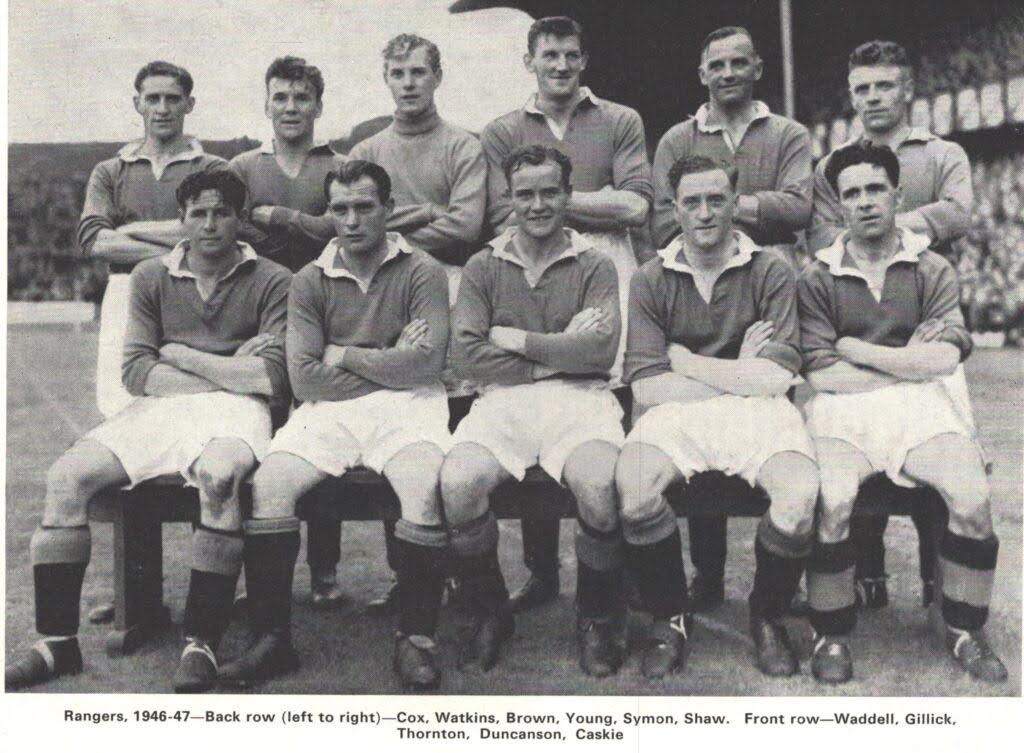
The Gillicks had four children, Billy, Larry, Isobel and Molly – tragically, Isobel succumbed to Leukemia in January 1948, at the age of six. The very next day, Torry turned out for Rangers at Easter Road, although Bill Struth left the decision to his player. It was ill-advised, but a demonstration of his commitment to his club.
By the 1949/50 season, Torry was largely consigned to reserve team football, the 33-year-old legs no longer able to match the keen footballing brain for speed. The last of 387 peacetime and wartime appearances for Rangers came in May 1950. He would bow out on the fitting stage of Hampden Park an Old Firm did battle in the Charity Cup final, watched by Hollywood star Danny Kay. In the 3-2 defeat, the veteran marked his swansong outing with a goal, despite lacking the pace and general fitness required to make an impression for the whole ninety minutes.
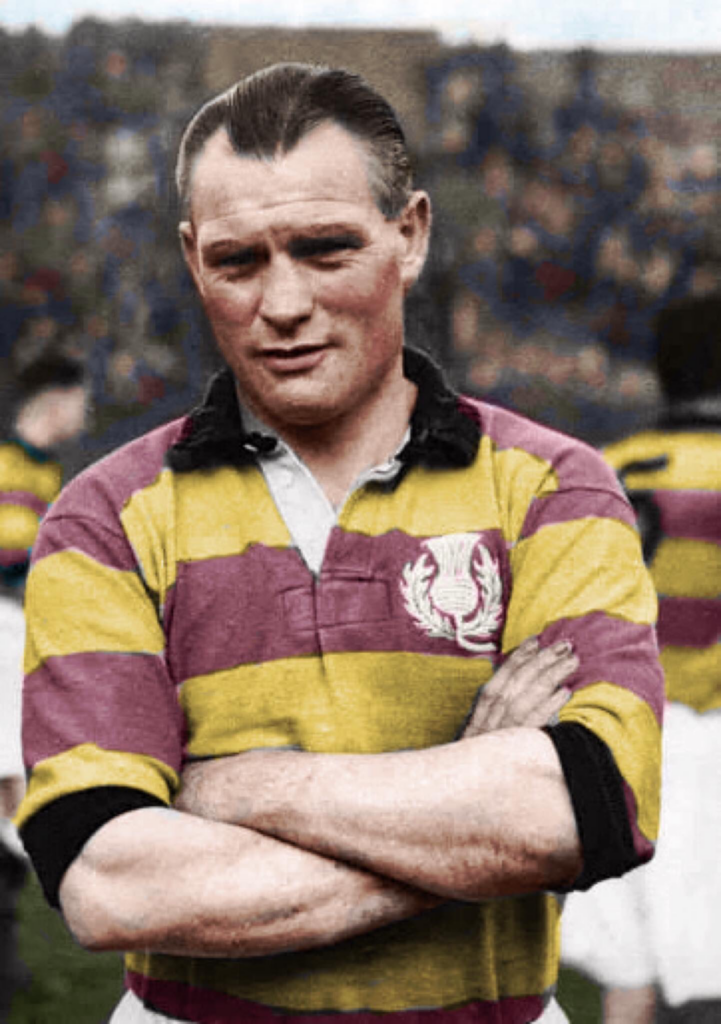
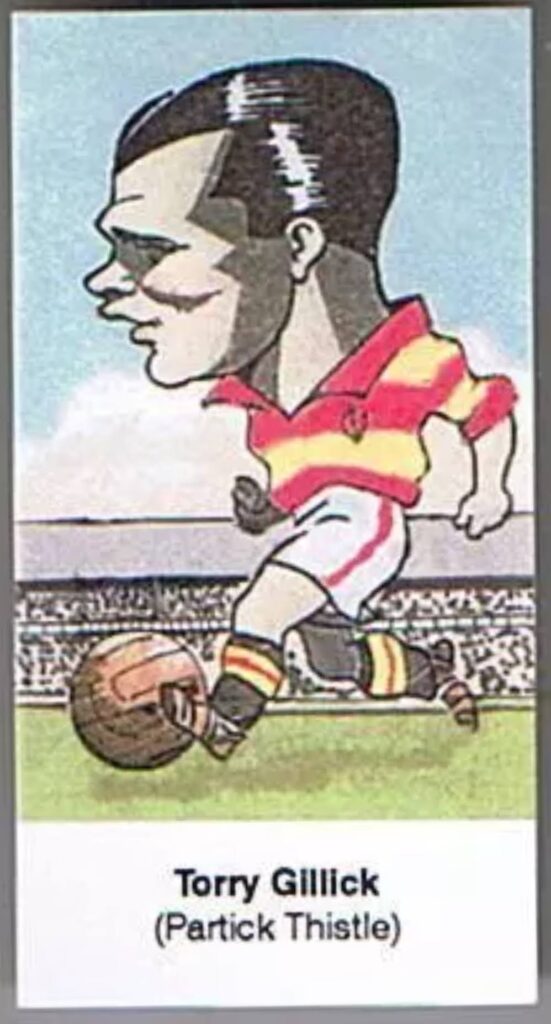
In a year away from football, Torry, with Molly, founded a scrap metal haulage business, but donned his boots again when signing for Partrick Thistle in August 1951. He had been persuaded to give football another go by Thistle’s manager, former Ibrox club-mate David Meiklejohn. After a handful of appearances, in which the effects of age on the body were all too apparent, the old stager made his final start for the Maryhill outfit in March 1951. That was it for his involvement in football, but he did apply unsuccessfully for the managerial vacant post at Stirling Albion in the summer of 1955.
The scrap metal transportation business would thrive, but the retired footballer also had a brief spell as Mine Host of a pub on Brandon Street. He would also invest in greyhounds and racehorses – a long-standing passion of his, dating back to his playing days at Rangers and Everton. The family would spend a lot of time at their holiday home in Dornie in the north of Scotland, by Loch Duich, and Torry would indulge in another of his enduring passions there, angling. In the 1960s, the family would move their main home from Bearsden, back to near to where it all started for Torry, on the edge of Airdrie.
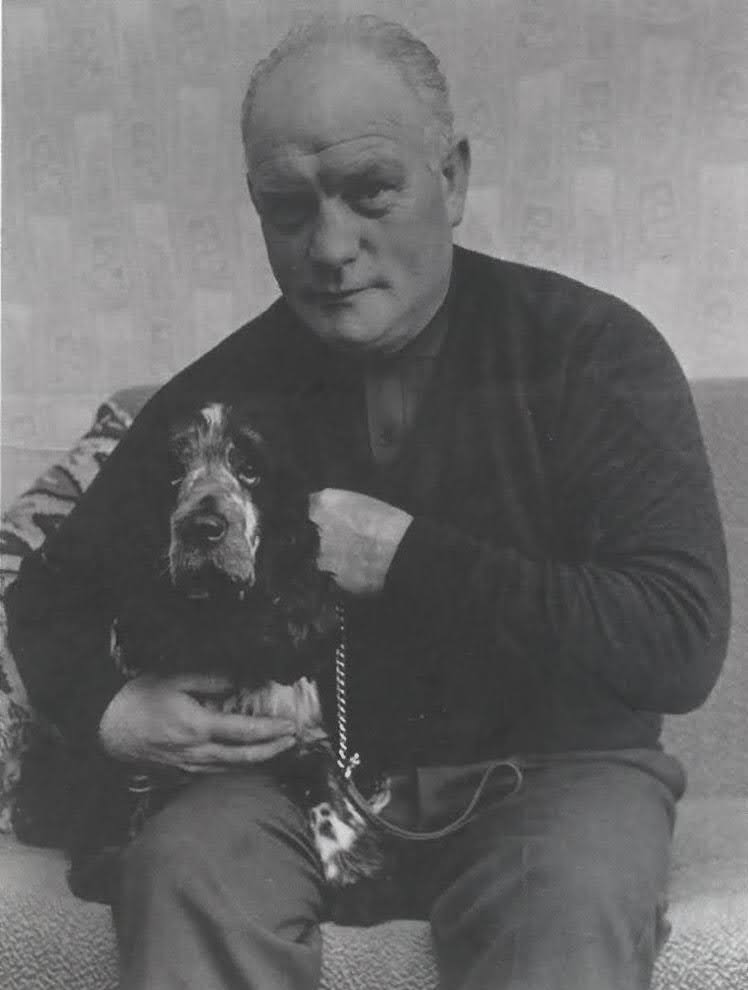
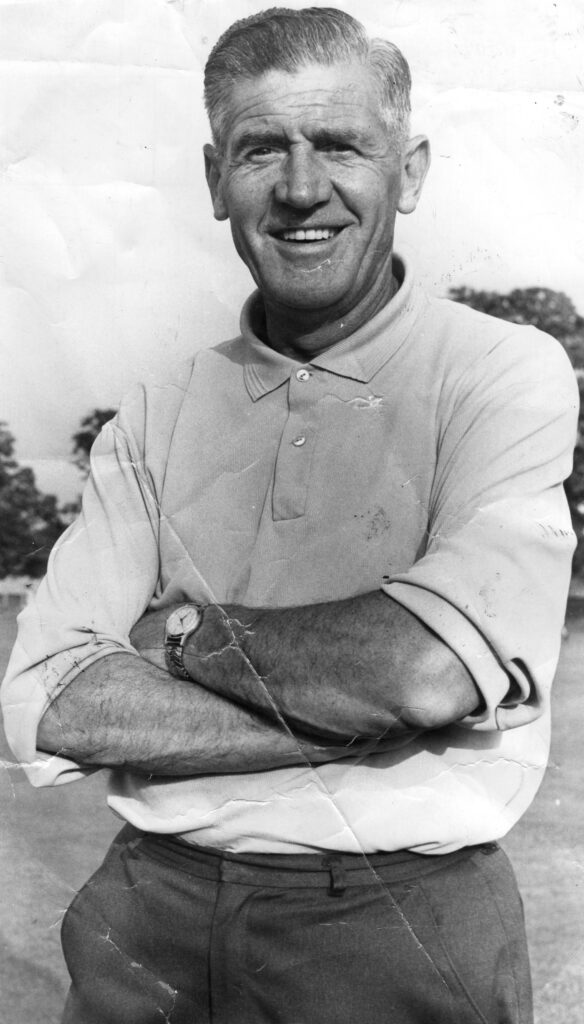
The connection to Everton was maintained through his enduring friendship with Gordon Watson. The Blues’ wing-half had stayed at the club after the war, initially as a player and subsequently as a coach. He would have the Gillicks down to stay in Liverpool and they would reciprocate by having the Watsons up to Scotland. The Gillick children would refer to the Watsons as Uncle Gordon and Auntie Olive – just as the Watson children, Gordon Jr. and Hilary, would call the Gillicks Auntie Molly and Uncle Torry. Torry’s visits to Liverpool would often coincide with the Grand National meeting at Aintree and he took in Everton’s defeat to Newcastle in March 1960. Described in the local press as looking ‘very fit’, he confirmed to reporters that, for him, Everton was the ‘only’ club in Britain. He was back in Merseyside a little over three years later to be reunited with former Everton teammates at the Adelphi as the club celebrated its first post-war Football League title.
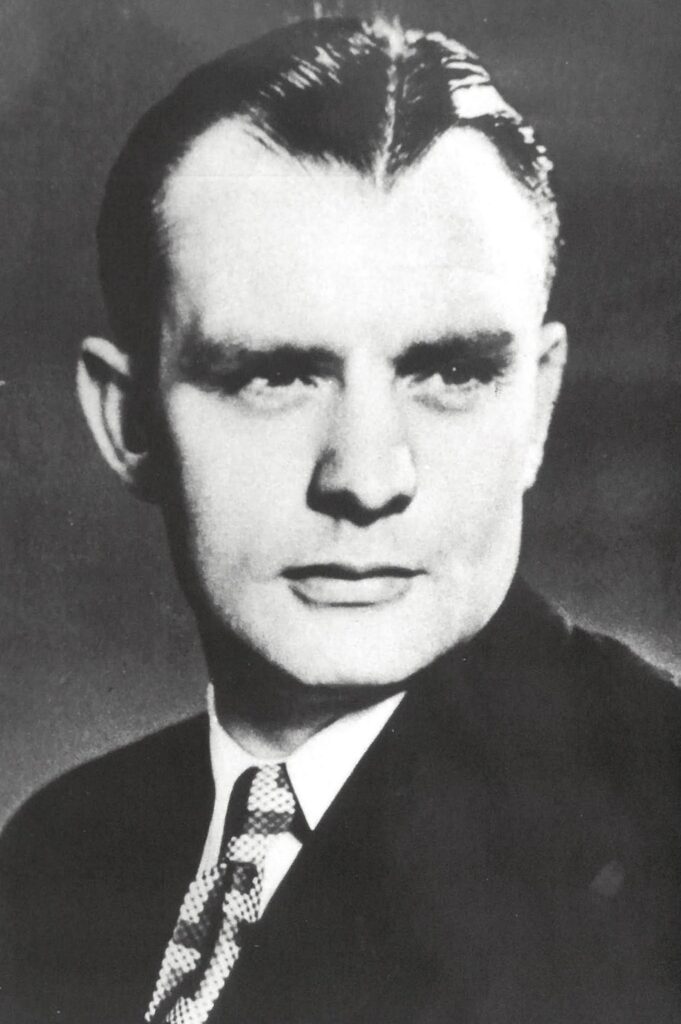
Torry Gillick passed away at the age of just 55 in Glasgow Royal Infirmary on 15th December 1971 – the same days as fellow Rangers great Allan Morton. A few weeks previously, he had had a fall at work, suffering a bump to the head; this may have been a contributory factor in the fatal aneurism. His funeral was attended by the Rangers first team squad, staff and directors. He was laid to rest at Old Monklands Cemetery. In death he was hailed as one of Rangers’ greats. Willie Waddell spoke this of his teammate: ‘It was a treat to play alongside him for so many years. He could size up a situation in a flash and do in one move what it took others three to do.’ He was subsequently inducted into Rangers’ Hall of Fame.
He was not forgotten on Merseyside, either. In the 1970s, Dixie Dean – at an event hosted with Joe Mercer – singled out Jack Coulter and Torry Gillick as two of the finest wingers he had played with in his distinguished career. Long-serving Blues goalkeeper Ted Sagar declared: ‘Torry Gillick is the best positional player I have ever seen in my twenty years of football, and one whose uncanny anticipation turned hundred to one chances into magnificent goals. He was always popping up at unexpected moments.’
The contribution to the Toffees’ cause was recognised with Torry’s induction into the fan-led Gwladys Street’s Hall of Fame (along with his friend Gordon Watson). However, to date, he has not been given official Everton Giant status. Torry Gillick the footballer was the definition of mercurial – prodigiously talented, independent of spirit and unpredictable. In that season just before the outbreak of the Second World War, Evertonians were incredibly fortunate to see a footballing artist at the peak of his powers.
Rob Sawyer
.
Further Reading:
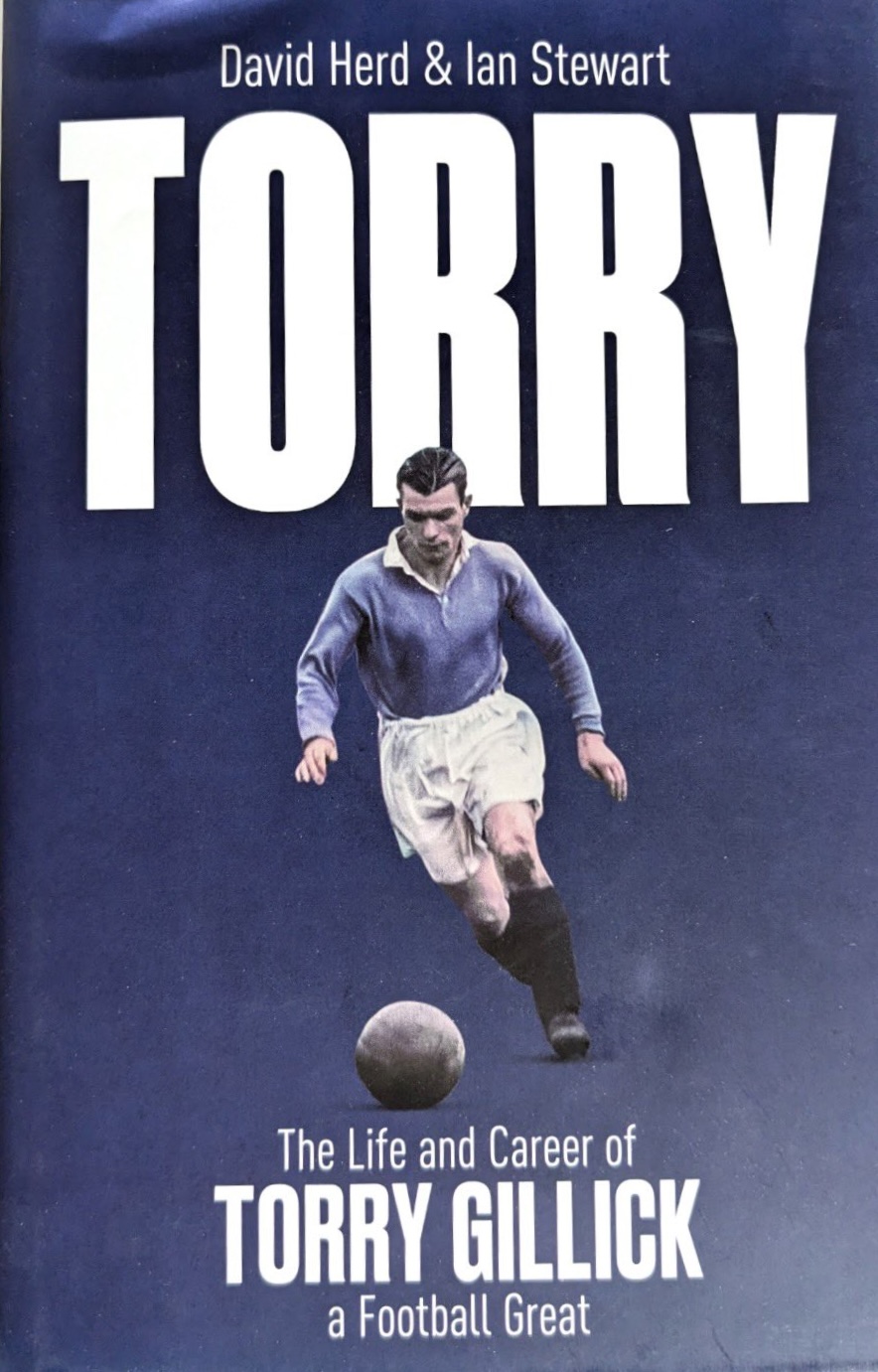
Herd, David & Stewart, Ian, Torry: The Life and Career of Torry Gillick ( Pitch Publishing)
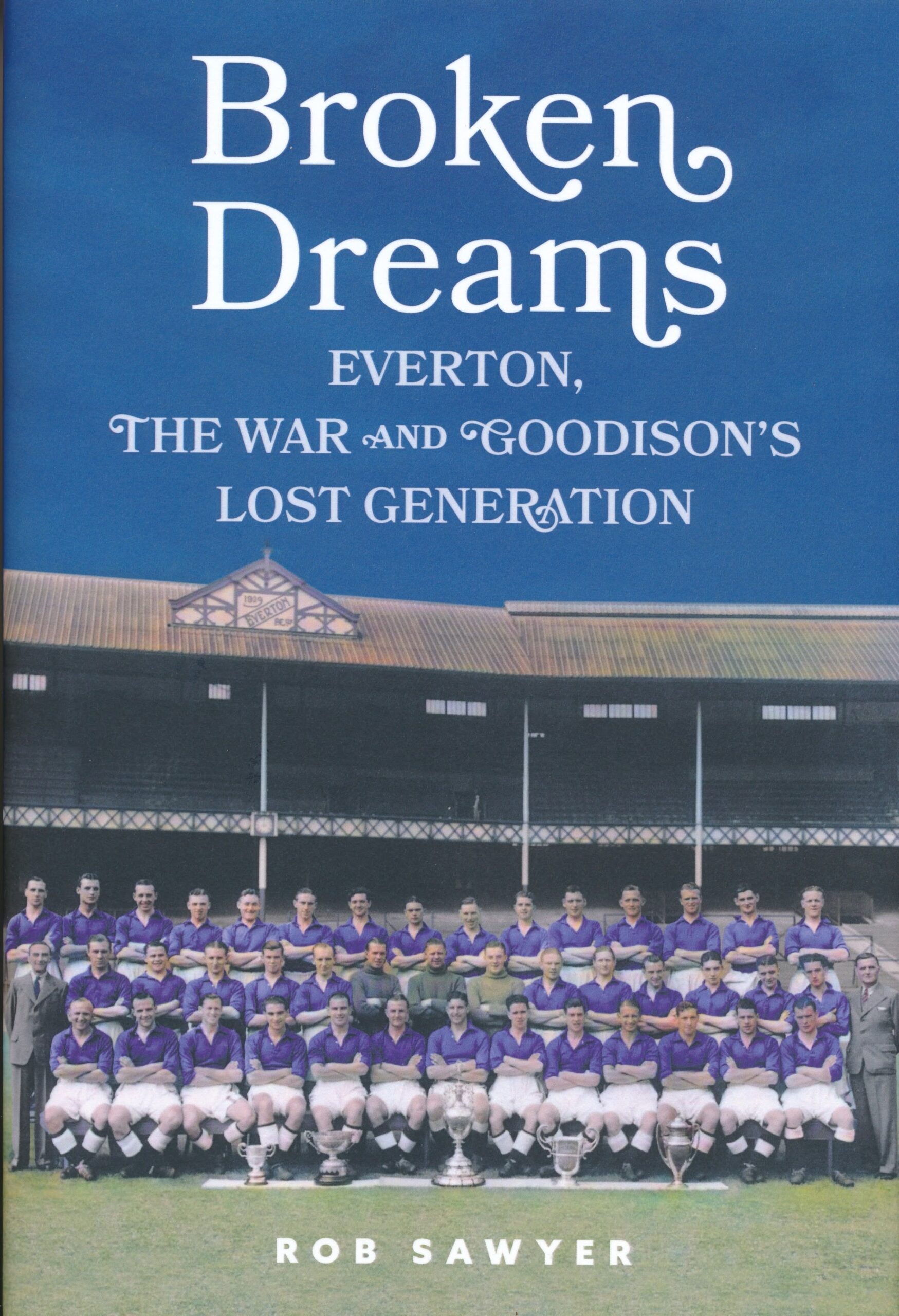
Sawyer, Rob, Broken Dreams: Everton, The War & Goodison’s Lost Generation (Toffeeopolis)
Acknowledgements:
The Gillick Family
The Watson family
David Herd
Ian Stewart
Brendan Connolly
Mike Royden
Selected sources:
Smith, Billy, bluecorrespondent.co.uk
Johnson, Steve, evertonresults.com
Liverpool Record Office evertoncollection.org.uk
therangersarchives.co.uk
Corbett, James, The Everton Encyclopedia (deCoubertin Books)
Rogers Ken, ed., Dixie Dean Uncut: The Lost Interview (Reach PLC)
The Sunday Post
Rangers Football Club YouTube channel