Rob Sawyer
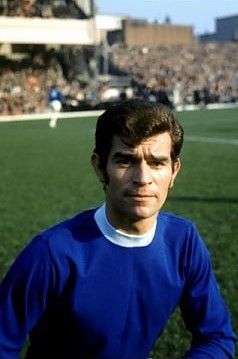
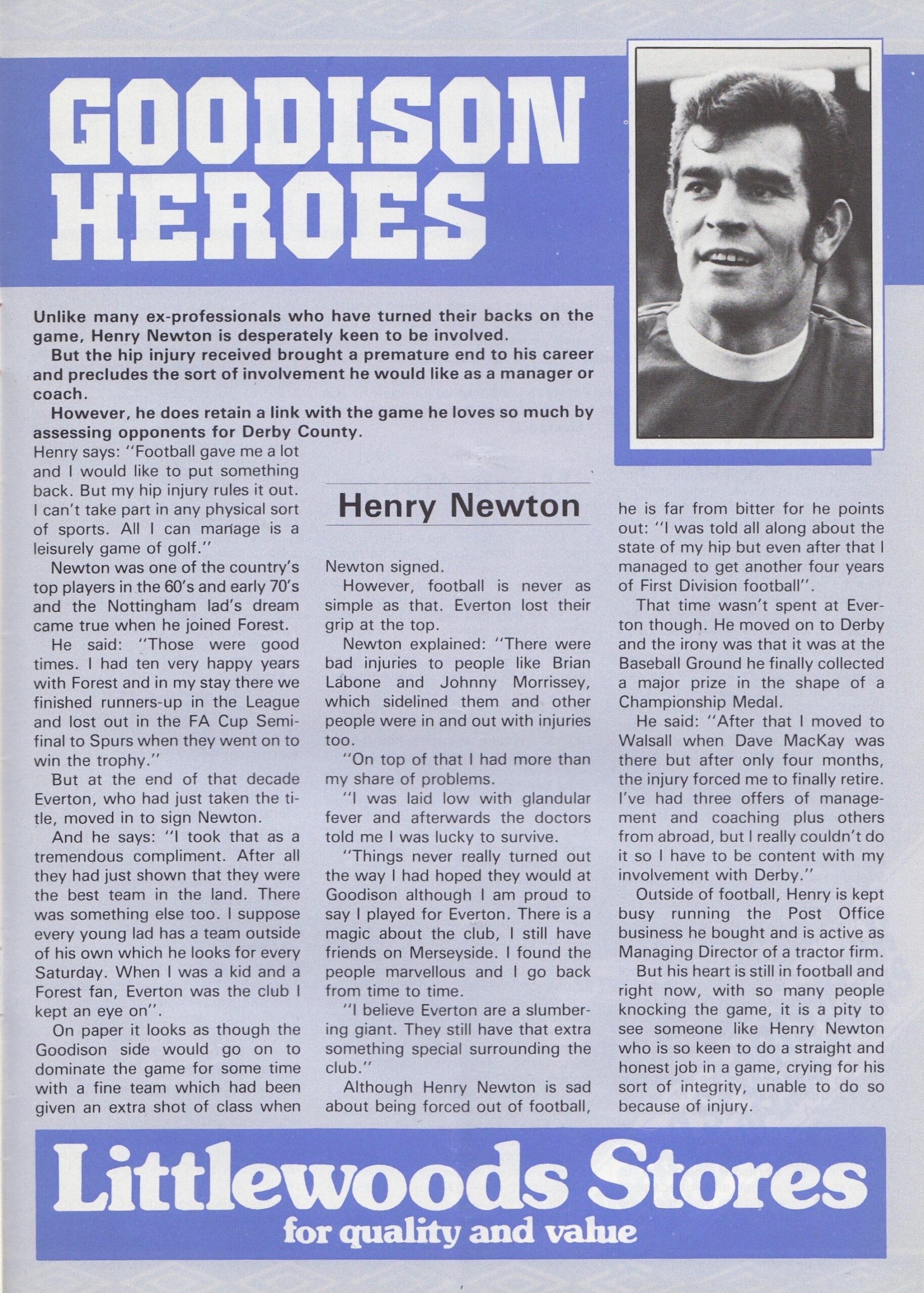
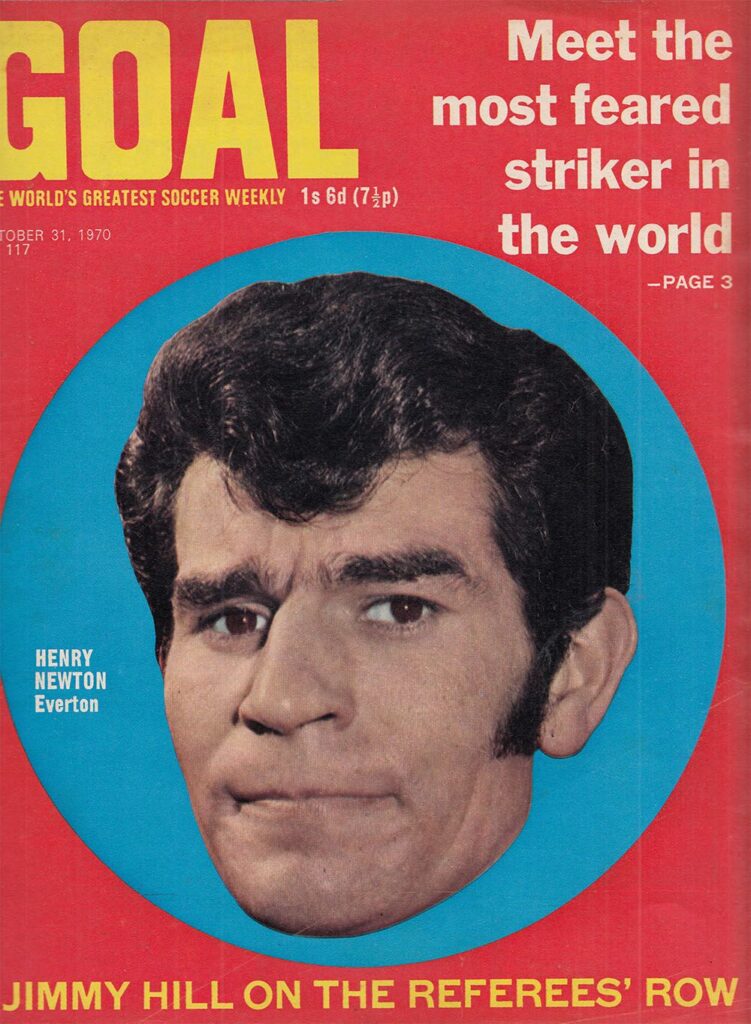
Harry Catterick smashed Everton’s transfer fee record in October 1970 to secure the services of Nottingham Forest midfielder Henry Newton, whose death at the age of 82 was announced on 14 April 2026. Sadly, things didn’t work out as hoped, for the club and player in the early 1970s, for a variety of reasons. Happily for Henry, he enjoyed a satisfying and silverware-laden period post-Everton, in his native East Midlands with Derby County.
Born 18 February 1944, Henry joined his local club Nottingham Forest at fifteen, having gained England Schoolboy honours. Four months shy of his 20th birthday, he was given his debut by recently appointed manager Johnny Carey against local rivals Leicester City. He immediately established himself as the regular right-half in the team. Excellent defensively and sometimes described as a brilliant ‘spoiler,’ he was also a pinpoint passer and his right foot earned the nickname ‘Enry’s ‘ammer’ (a nod to boxer Henry Cooper’s highly effective hook) for his powerful long range shots and passing.
Subsequently switched to left-half, he was part of a team that pushed for the Football League title in the 1966/67 season. Beating Everton twice within three days over Christmas, Forest came up just four points short of eventual champions Manchester United. However, in the three seasons that followed, the club was mired mid-table. When omitted from England’s 1970 World Cup squad (having been on the long-list), Henry – who was a former Under 23 international – let it be known that he was keen to move. His reasoning was that being with a so-called bigger club would raise his profile and boost his England chances.
The news of his desire to leave broke in early June 1970, with speculation mounting that clubs, including Everton, were poised to test Forest’s resolve to keep their star midfielder. It was reported that the Blues had submitted a bid of £120,000 but when quizzed directly, Harry Catterick, possibly being economical with the truth, said: ‘I know nothing about this.’ His Forest counterpart Matt Gillies commented: ‘If he [Newton] reports back for training with a chip on his shoulder, then we will have to consider his position…But if he comes back without a chip on his shoulder, then he will stay with us. It all depends on him.’
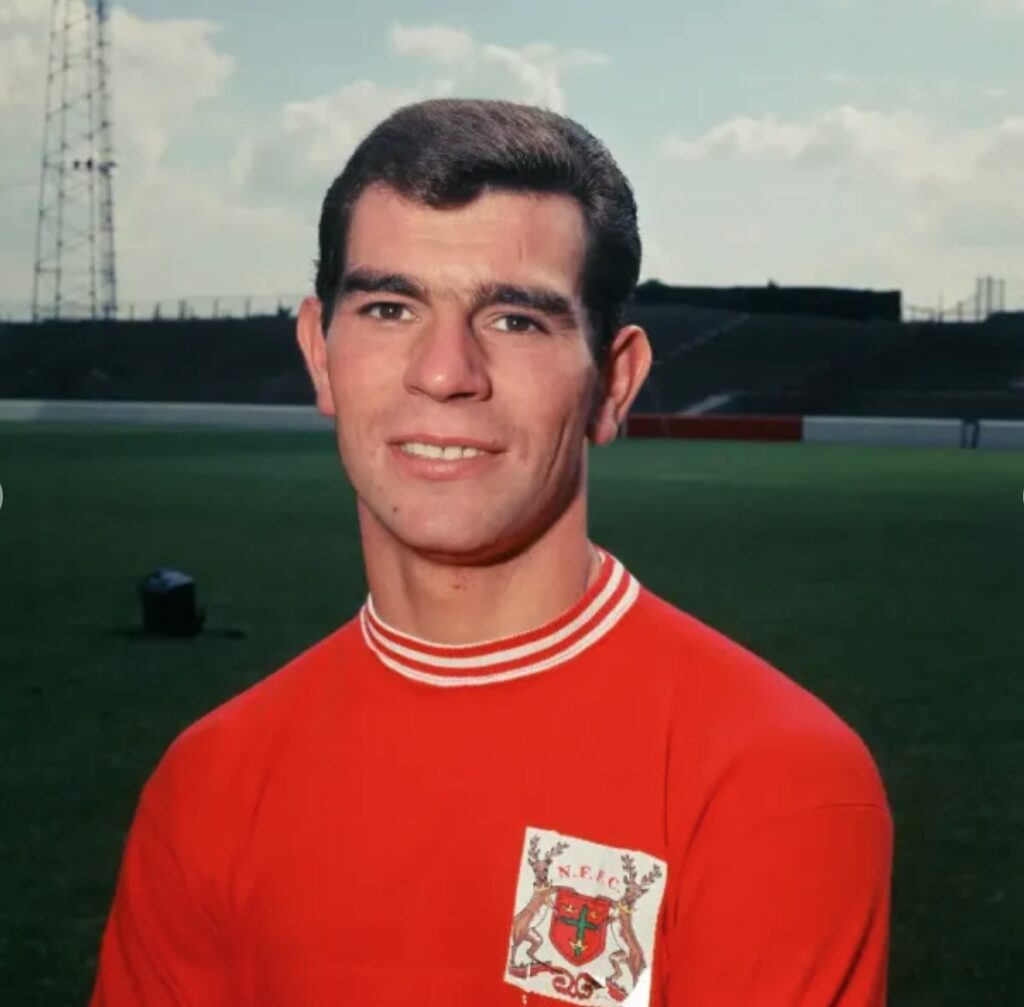
Things appeared to settle down between player and employer and Henry kicked off the 1970/71 season as a Forest player and captain. However, when he indicated again that he was keen to have a fresh challenge, Forest alerted clubs to his potential availability in early October. West Ham, Derby County and Everton all had an interest (Liverpool had enquired in the summer but elected not to pursue a deal in the autumn) . When asked directly about Everton’s stance, Harry Catterick said: ‘We are interested in all top class players – and Newton is certainly that.’
The Everton manager had recently attempted to sign Archie Gemmill from Preston North End, but, thinking it was a done deal, found himself gazumped by Derby County’s ambitious boss, Brian Clough. A few weeks later, it would be Catterick getting one over his fellow North Easterner, but at some financial cost.
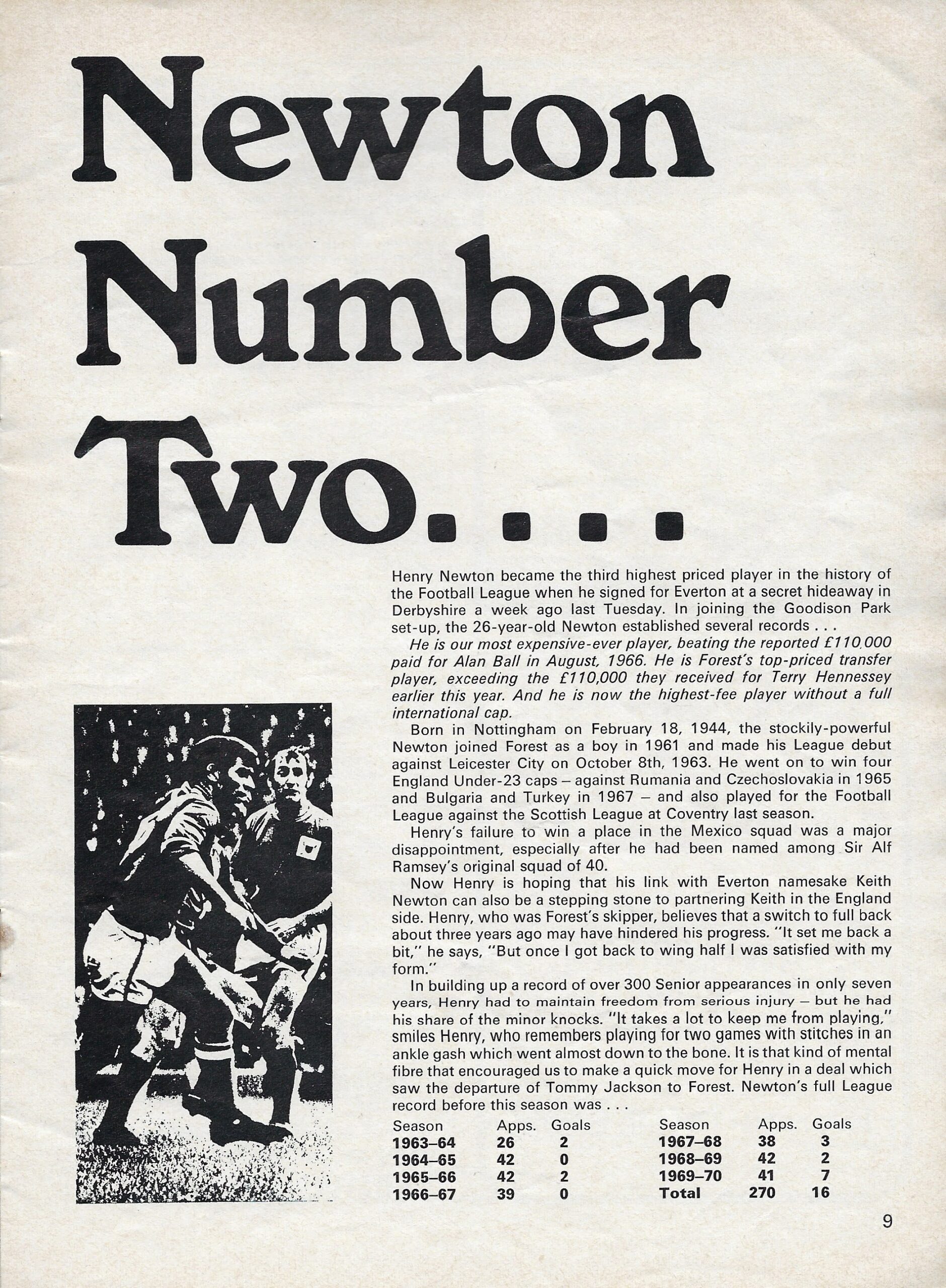
Matters progressed swiftly on 13 October. With morning training finished at midday, Henry and Everton midfielder Tommy Jackson were informed by their respective managers that deals had been agreed in principle between the Toffees and Forest for a player swap plus cash deal. All that remained was to iron out the details and persuade the two players to sign on the dotted line. Jackson was valued at £50,000 in the deal – the Northern Irish man relishing the opportunity to get regular first team football – with the Toffees also transferring £100,000 to the Midlanders.
By 3pm the negotiating parties were sitting in a pub near Buxton. Henry had it in mind to listen to what Everton were proposing, sleep on it and, perhaps, visit Liverpool to get a feel of the place (Henry had business interests in the Derby area, so there was much to consider). As it turned out, terms were agreed within an hour, with Harry Catterick reportedly having little trouble in convincing Henry that Merseyside, rather than East London or the East Midlands would be his destination.
So, two years after first making an approach to Forest, Harry Catterick had secured the services of one of the highest-rated defensive midfielders in the country. However, the question on many supporters’ lips was; ‘Why does a club with Harvey, Kendall and Ball need another midfielder – and where will he play? Nowadays, top clubs stockpiling international class players is the norm, but it wasn’t so back then. Catterick’s mind may have been made up by a mediocre start to the season by the reigning champions, the lasting effects of the World Cup on some players, and the demanding season ahead, including a challenge for the European Cup.
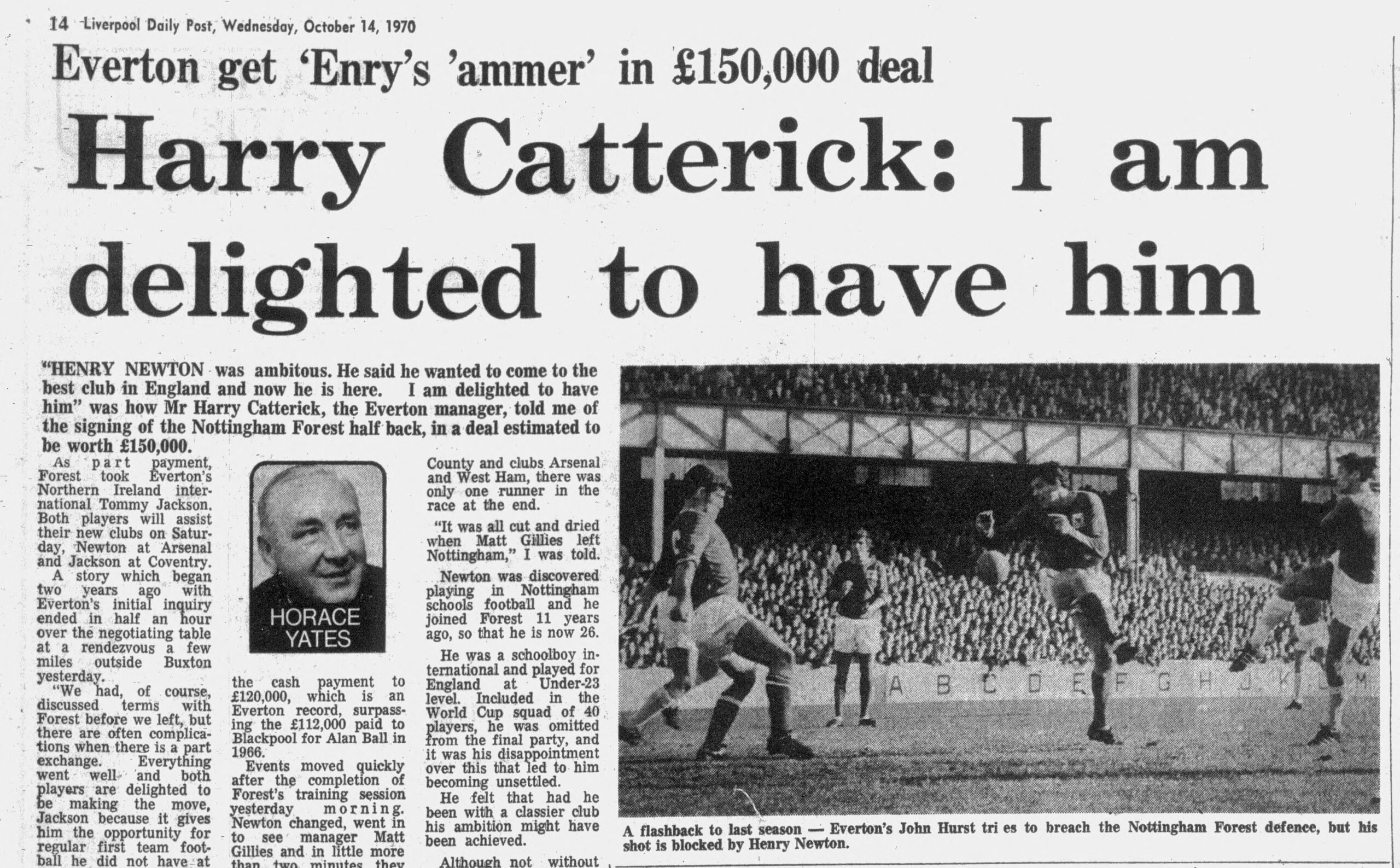
A delighted Catterick would not be drawn by the Liverpool Daily Post on who might make way for the new arrival, merely stating, ‘It depends on who is available to play’. This is what he was happy to share:
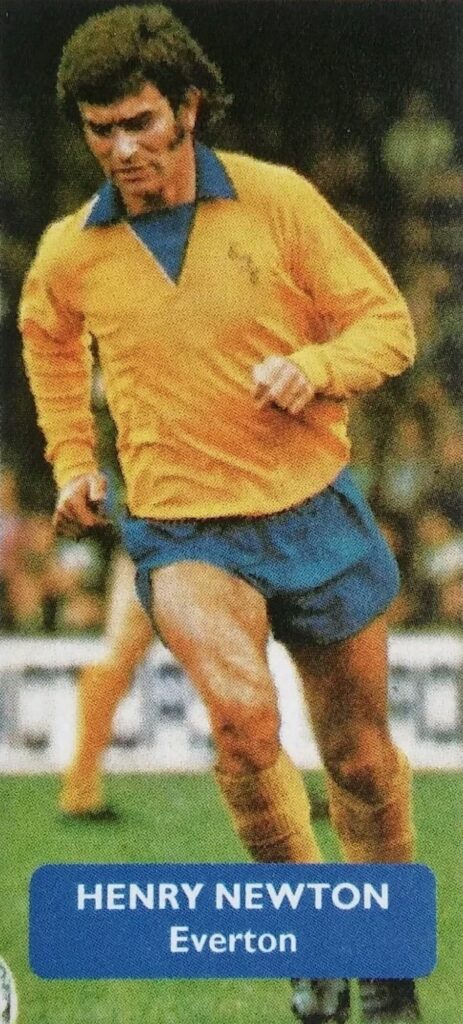
‘I think Newton’s tremendous experience will be invaluable for an Everton side which is still comparatively young in certain departments. Newton is a very fine player in his own right, and given time to settle in to our style of play, which is very different from Forest’s, he should be a great asset to the Club. Newton was a bit taken aback with the speed at which I work, but this is something he will get used to before long. Signing top class players is always a big thrill and this is a further strengthening of our first team pool, a very important consideration in view of the number of games we are involved in and with so many of our players on call for international matches.’
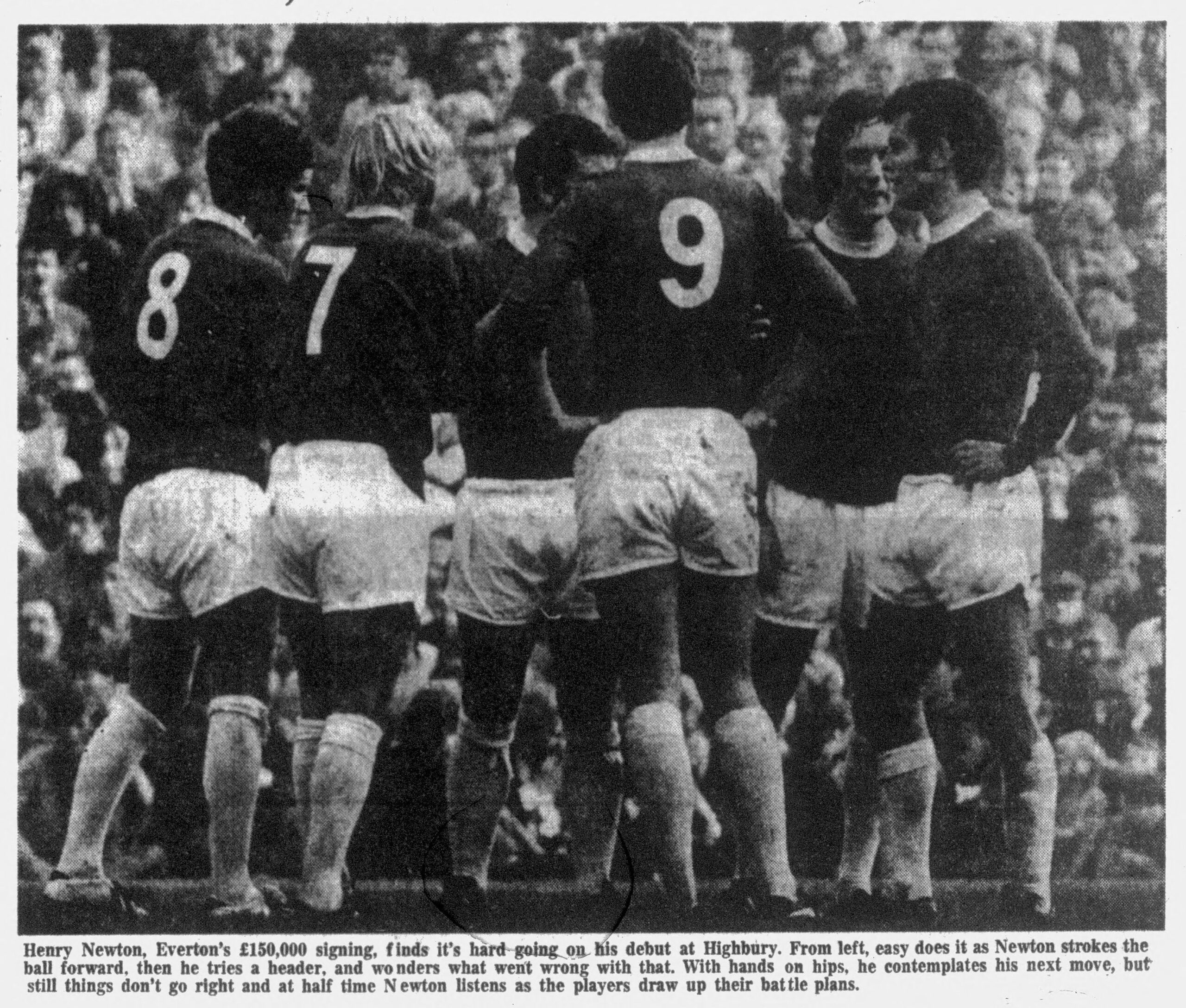
Four days after joining, Henry was thrust into Everton life in a humbling 4-0 defeat by Arsenal at Highbury. Howard Kendall had been dropped back into defence to free up a space for the newcomer who appeared lost in his new surroundings, and unsure of which positions to take up. In the wake of the defeat on his debut, the new signing used a feature piece in the Liverpool Echo to explain how he was facing into the challenge of establishing himself at the reigning champions of England:
“When I awoke the morning after I had signed, I thought a lot about the price upon my head. For I knew that the fans on the terraces would be weighing me up critically, in the next few weeks.”
“I was determined that I would TRY not to think about that price tag when I went out to play against Arsenal at Highbury on Saturday. And I aim to stick to this resolution right from the start. I am determined that the defeat at Highbury will not linger in my mind and upset my game. I hope the fans will remember that I didn’t fix the fee, and that I’m trying to play as a member of a TEАМ.”
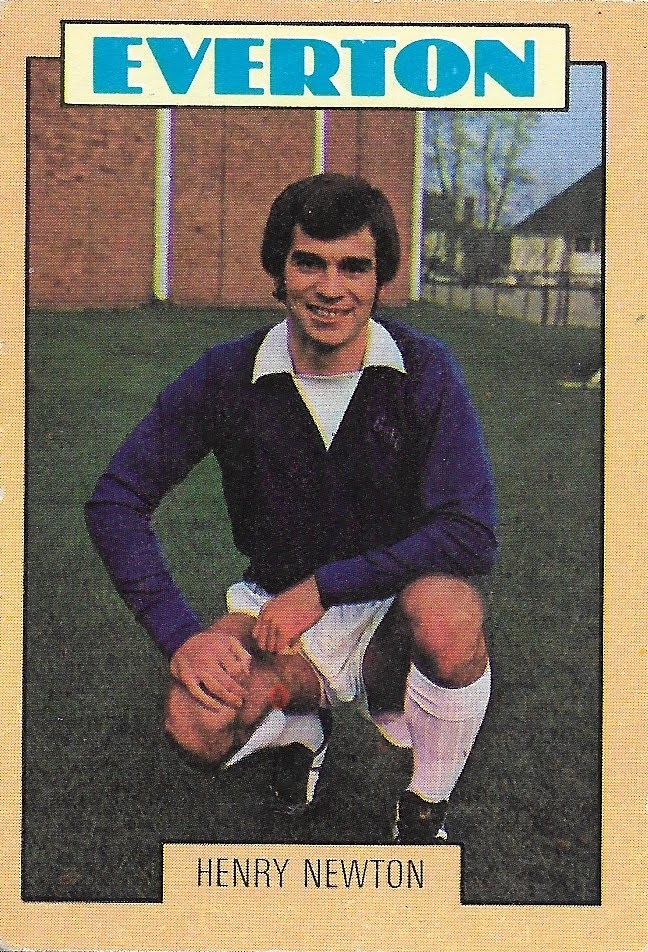
“I’m not asking favours: just a fair crack of the whip – and a chance to be allowed to settle down and serve up some good football as my contribution to the team effort. I know what it’s like to play AGAINST Everton – now I want the chance to show what I can do in the cause of Everton.”
Away from football, Henry would confess to leading a quiet life with his wife Hazel – the pair would sometimes dine out together but there would be no wild nights out on the town. For him, this was a sacrifice to be made in pursuit of a successful career at the top level of English football. His main pastime away from his day job was golf – he had an eight handicap and once appeared in a pro-am tournament while with the Toffees.
Henry would next appear in the starting eleven a few weeks later, facing his former club in the fairly unfamiliar position of left back in place of near-namesake Keith Newton. Ironically, at the time of joining Everton, he had been quoted saying that a period when played at left-back for Forest, rather than in his preferred midfield role, had held his career back. As it panned out, in his three years with Everton, 51 of his 85 outings were at either left-back or right-back. He filled the roles admirably but it felt like a waste of a talent that had much more to offer further upfield.
His first season as a Toffeeman was interrupted by a hamstring injury and he missed the pivotal matches in March that saw Everton bow out of both the European Cup and FA Cup, arguably signalling the beginning of the end of the Catterick era. The 1971/72 season saw more action in midfield for Newton, however, it got off to a slow start with him not making a first team appearance until mid September. The reason was that he had gone down with a mystery virus in early July, which turned out to be a severe bout of glandular fever. He spent several weeks in a nursing home, recuperating, but the effects were more lasting. An autumn run in the side was halted by an ankle injury, and even the departure of Alan Ball in December didn’t guarantee the Nottingham man a place in the side’s engine room. He did end the season with nine consecutive matches in his favoured role, and offered hints of what the Blues had been missing thus far.
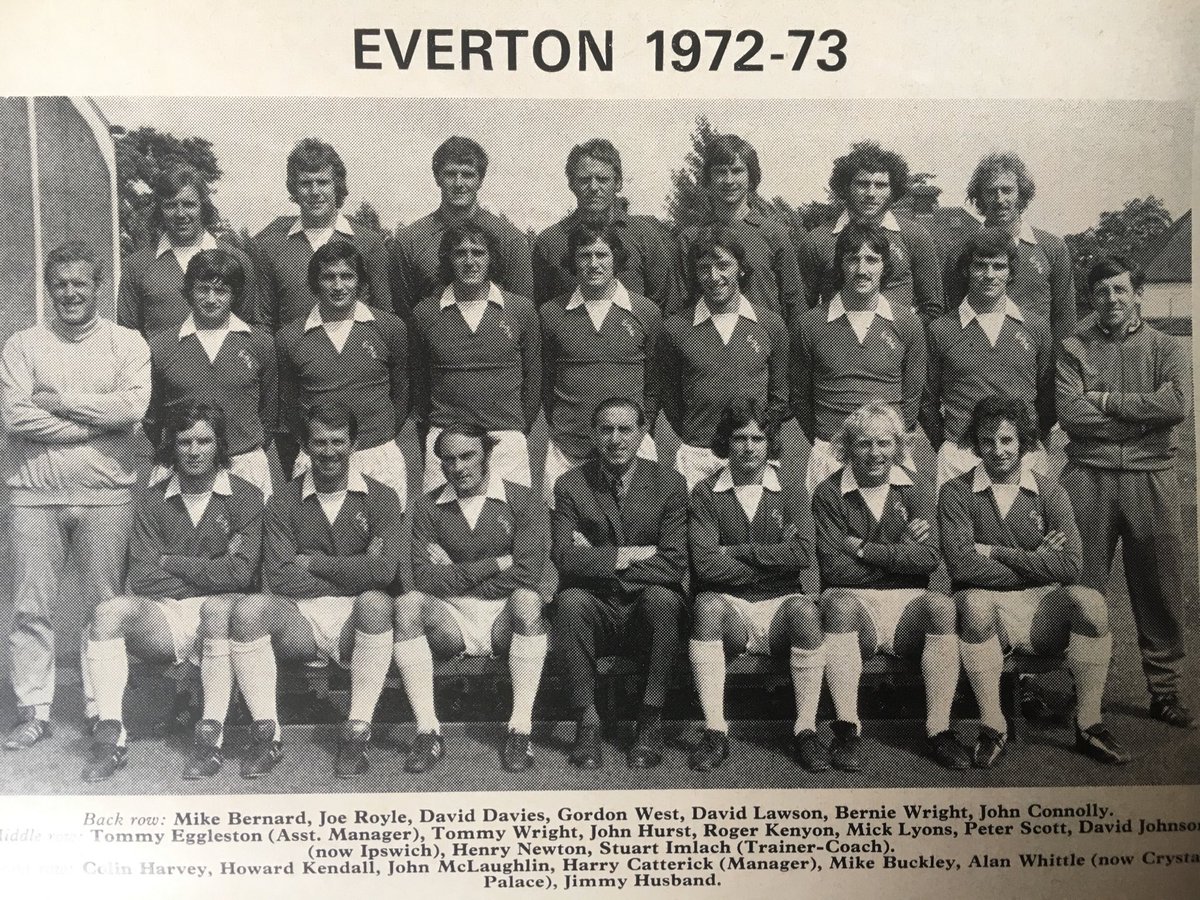
The 1972/73 season saw him again given full-back duties, but then injury and suspension and the good form of Archie Styles saw him out of the side at the turn of the year. Speculation linking him with a move to Derby County surfaced and Brian Clough did make enquiries, but no firm bid was received. Having recovered from a hamstring strain, he was restored to the team at The Hawthorns in March, only to sustain a season-ending knee injury. The latest misfortune summed up his time at Everton, which had promised so much, but often failed to deliver.
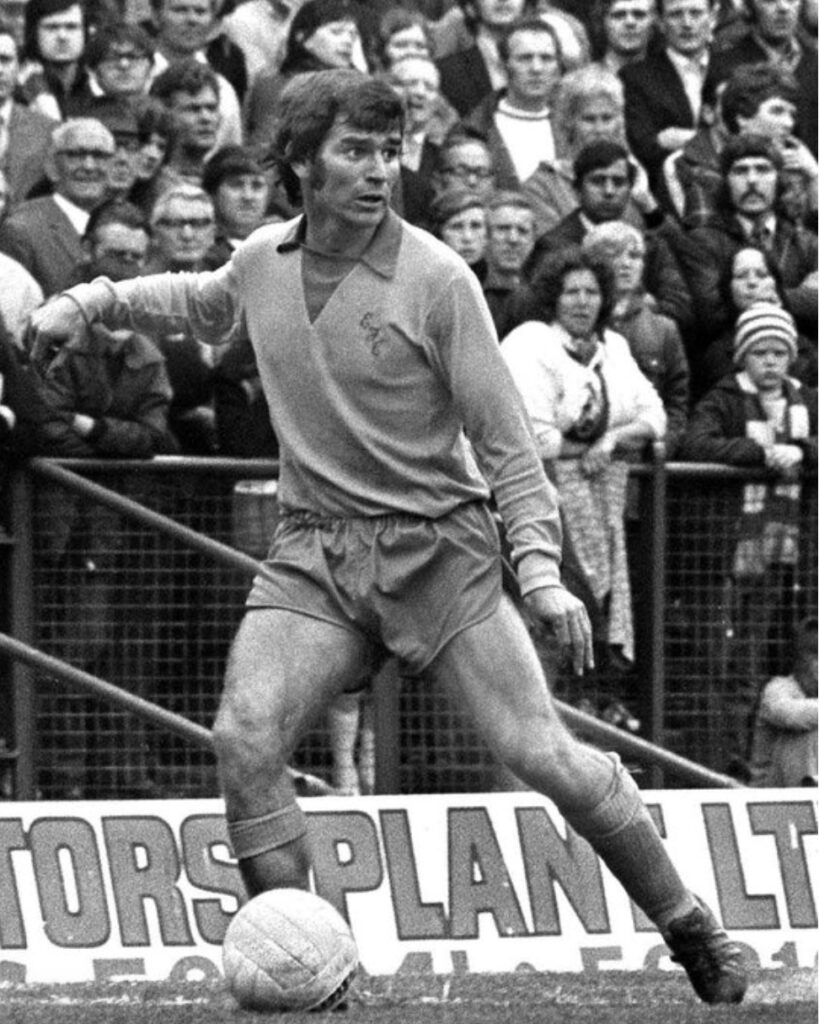
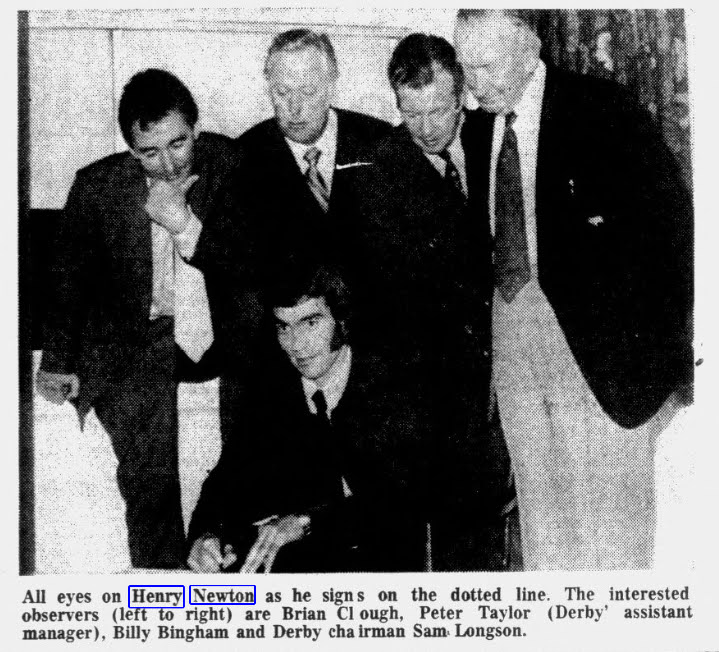
Fit again for the 1972/73 season, he was deployed in several positions early in the campaign, but with new Toffees manager Billy Bingham bringing in Dave Clements in mid-September, the Derby County manager chanced his arm again for Henry. This time, Clough got his man, for £100,000.
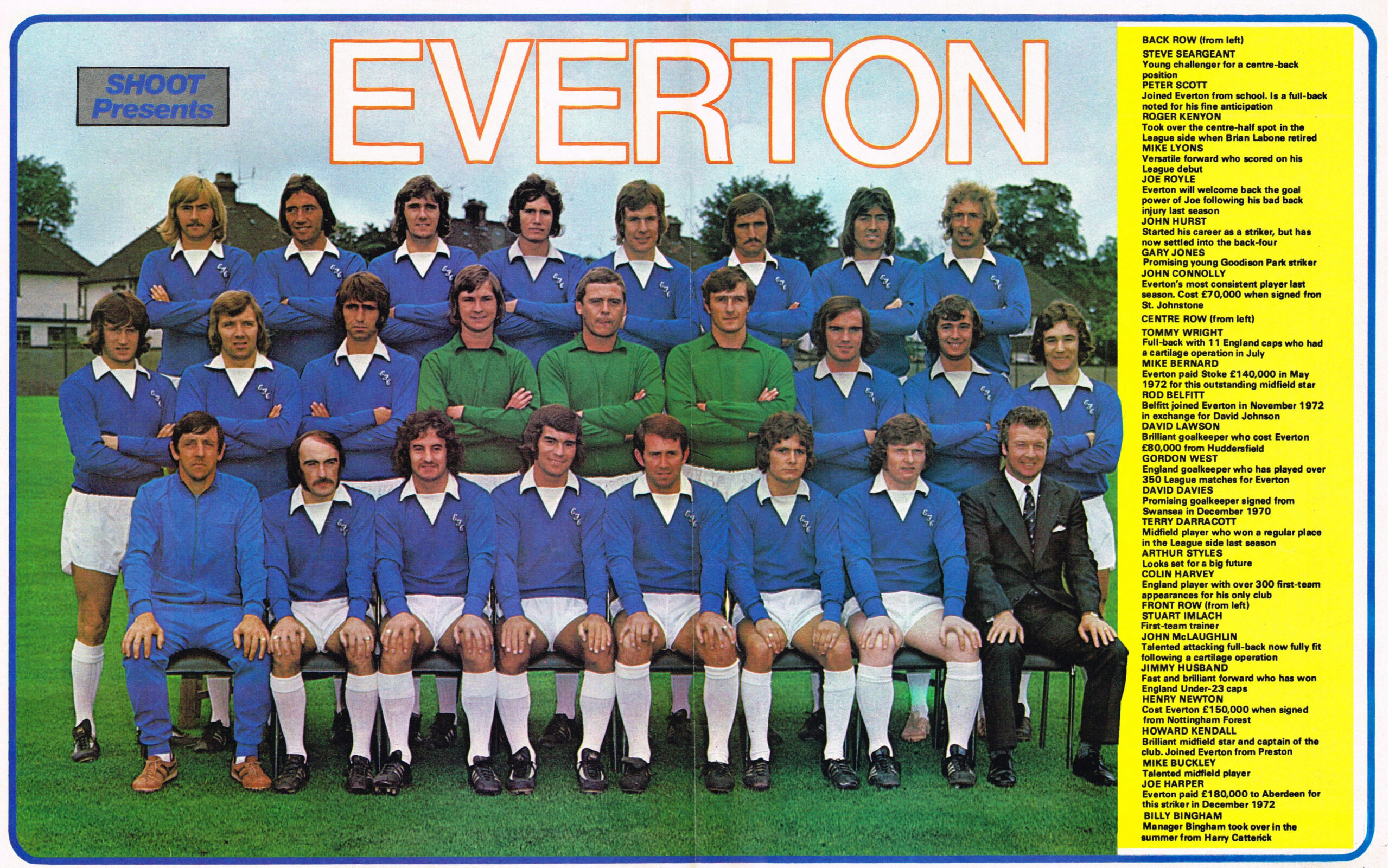
Although Henry was a valued, versatile and experienced Blues squad member, The Rams’ offer was too good to turn down and the deal suited all parties. Billy Bingham was quoted saying: ‘I am sorry to be losing Henry for he is a very good player, but we now have plenty of midfield players. I felt the fee was attractive enough for a 29-year-old player for us to release him to Derby. “We wish him every success.”’
After completing the move, a press report surfaced in the East Midlands in which Henry was quoted regretting having signed for Everton over Derby County in 1970. His forthright words were probably intended to curry favour with supporters of his new club, but, the next day he sought to set the record straight on the previously reported comments:
‘That’s not the way it is at all. In fact I’ve been very happy at Everton and my wife and I are terribly sorry to be leaving our neighbours and our friends. Once we’d settled in, we both grew to love Liverpool and the people here. Everton themselves have been very good to me.
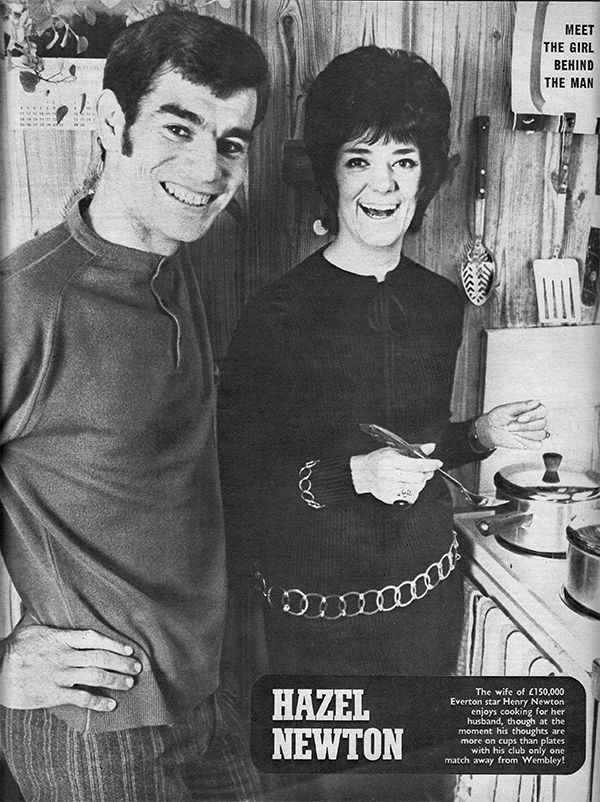
‘The treatment I received during my long illness was fantastic. Nothing was too much trouble and I’ll always be grateful to the directors and the staff. This report that I regarded my three years up here as wasted have upset my wife [Hazel] and I tremendously. I chose to join Everton because they seemed to be the club that any ambitious player would want to join. They were champions at the time and if things haven’t worked out as well recently, well that’s just the way it goes in football. But I don’t regret joining Everton and I don’t think I ever will. They’ve been great to me and I only hope they feel I’ve done a reasonable job for them.’
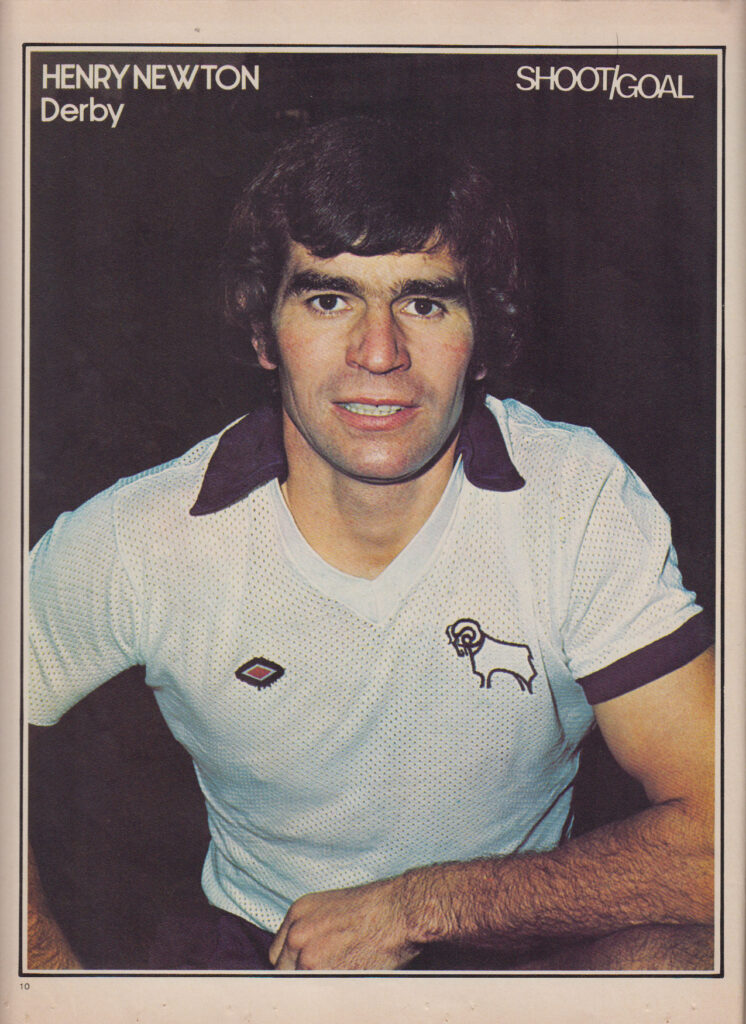
Henry did enjoy a new lease of lease under Clough and, subsequently, Dave Mackay. He was a regular starter, clocking up close to 150 appearances in just shy of four seasons at the Baseball Ground. His greatest moment came in 1975 when Derby saw off the challenge of Everton, Liverpool and Ipswich Town to win the League Championship for the second time in four years.
Former teammate Roy McFarland paid tribute to Henry on the Derby County website:
‘He was tenacious, his tackling was second to none. He dealt with things on the field; if anything went wrong, you just knew that Henry Newton would do something in the match to support us as a team – he was an excellent footballer. Henry added that little bit of class, that little bit of extra to the group, which made us a lot, lot stronger as a team.’
A persistent hip injury brought his playing career to an end in 1978 after making twenty-one appearances for Walsall. He would have gone into coaching but the chronic hip ailment would have been too painful. Having moved on from football (aside from some opponent assessment work for Derby County), Henry owned a post office and had interests in several other businesses in the Derby area over the years.
Looking back a few years after hanging up his boots, the former Nottingham Forest, Everton, Derby County and Walsall player reflected on his time on Merseyside:
‘Things never really worked out the way I hoped they would at Goodison although I am proud to have played for Everton. There is a magic about the club.I still have friends on Merseyside. I found the place marvellous.’
Everton FC Heritage Society wishes to express its sadness at Henry’s passing and sends its condolences to those close to him.
Rob Sawyer
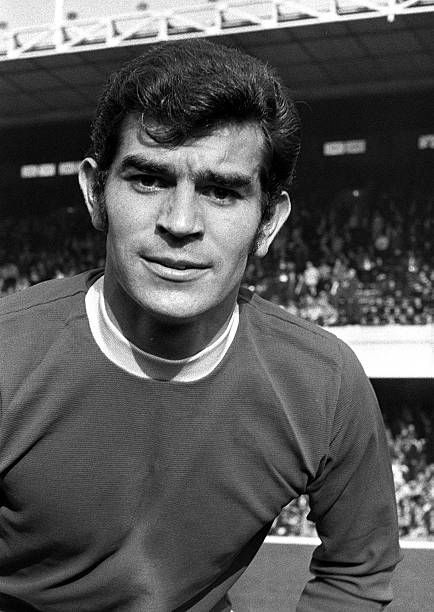
Henry Newton 1944-2026
.