Paul Owens
Earlier this summer, it was announced that Preston North End would play their Carabao Cup first-round tie against Huddersfield Town at Goodison Park on Saturday 8 August 2026, due to ongoing pitch renovations – i.e. the installation of a hybrid pitch – at their Deepdale home.
In a previous piece for this website, I wrote about the quite extraordinary goalkeeping links between Everton and the Lilywhites, a piece which starts with a biography of James Trainer – Preston’s two-time title-winning goalkeeper of the nineteenth century – and ends with a reference to George Pickford, the Blues’ highly-rated Preston-born teenager, who is yet to make a first-team appearance for the Toffeemen.
Of course, the man currently barring young Pickford’s path to residency between the Hill Dickinson uprights is his namesake, the ridiculously talented Jordan Pickford – once described by Alan Kelly, his former goalkeeping coach at both Preston and Everton, as a ‘modern-day Everton legend’.
It is not difficult to appreciate why Kelly coined such a phrase. Just take two minutes out of your day to think of some of the extraordinary saves the ex-Sunderland man has made for the Blues, and some of the outstanding all-round performances he has put in to win the club points – crucial points – in recent years: Chelsea, Leicester and Liverpool in 2022 instantly come to mind; as do Leicester (again), Brighton and Bournemouth in 2023. Over the last couple of seasons, there have been the stunning saves at Fulham, Manchester United, Aston Villa and Newcastle – not to forget his phenomenal performance and somewhat fitting penalty save in Everton’s first game at their new Bramley-Moore Dock stadium (the house that Jordan built?), that won him the inaugural Microsoft Goalkeeper Performance of the Season award for 2025/26. Without wishing to sound biased, I cannot think of a goalkeeper with a greater highlights reel than Jordan Lee Pickford.
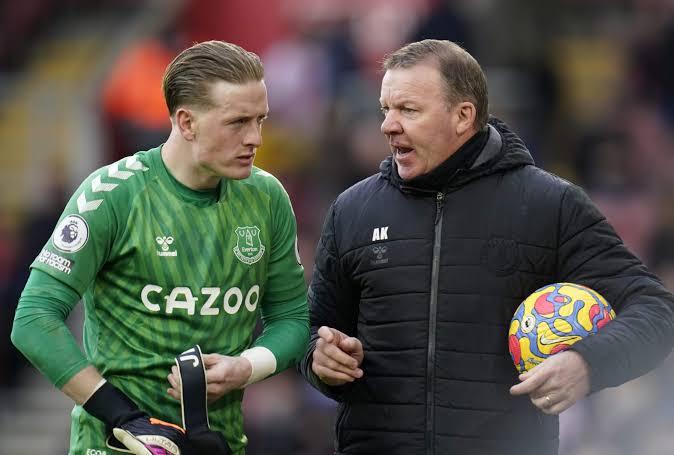
Nevertheless, ahead of the League Cup game at Goodison Park, it is the aforementioned Alan Kelly – a goalkeeper who made 164 appearances for Preston North End and spent seven years at Goodison as goalkeeping coach – to whom I wish to pay tribute here. It is fair to say that without Jordan Pickford in goal over the last decade, then it is not worth thinking about where Everton would be today; it is also fair to say that without Kelly’s influence, guidance and expertise for sizeable chunks of that period, it is highly unlikely that his one-time protege would have reached the standards we have all come to expect (and require) from him.
So thank you, Alan – from everyone associated with Everton Football Club.
A chip off the old block, ‘in the presence of greatness’ and an NEC-emblazoned goalkeeper shirt!
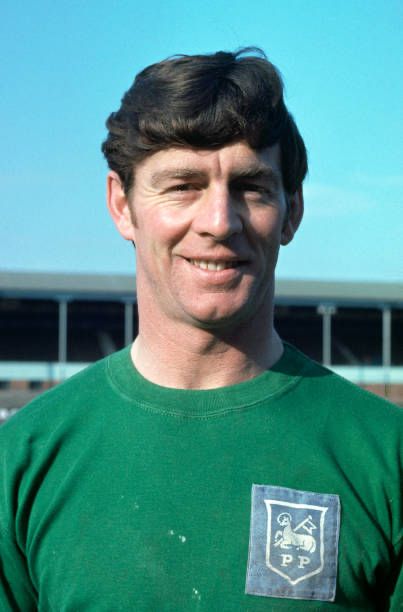
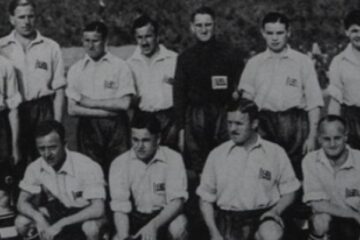
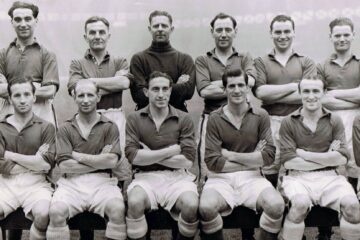
When the Town End of Preston North End’s Deepdale ground was redeveloped in 2001, it was named the ‘Alan Kelly Town End’ in honour of one of the club’s favourite sons – Alan Kelly Senior, their record-breaking Irish goalkeeper, who made 513 appearances for the Lilywhites between 1961 and 1973. The Dubliner, signed from Drumcondra in April 1958 in a double deal which also brought full back John O’Neill to Lancashire, played alongside Howard Kendall in Preston’s FA Cup Final defeat to West Ham United at Wembley in 1964. Moreover, he took home the club’s first two player-of-the-year awards towards the end of that decade, won the Third Division title with Preston in 1970 and was capped 47 times by his country during a remarkably consistent playing career. After retiring from playing through injury in 1973, Kelly Senior went on to manage both Ireland (for one game in 1980) and his beloved North End for an 18-month period between 1983 and 1985, having previously been assistant manager to Nobby Stiles and also held the managerial position on a caretaker basis. Today, his face appears on the seats behind one of the Deepdale goals that he defended with great distinction for well over a decade. In many ways, he really is Mr. Preston North End.
However, after leaving the Deepdale managerial hot seat in 1985, Kelly was brought to Everton as goalkeeping coach by his former teammate Kendall, who charged him with keeping Neville Southall – the recently crowned Football Writers’ Player of the Year – at the very top of his game. It proved to be a match made in heaven with the Welshman relishing the challenges and revelling in the intensity of his new coach’s training methods. In February 1986, after a superb showing by Southall at Anfield in a 2-0 victory, Kendall told the Liverpool Echo, ‘We all know what a great goalkeeper Neville Southall was last season. I feel Alan has got a little bit more out of him, and that was never clearer than in Saturday’s derby. Alan is bringing out the best in him. Neville certainly responds to hard work. He hates missing training.’
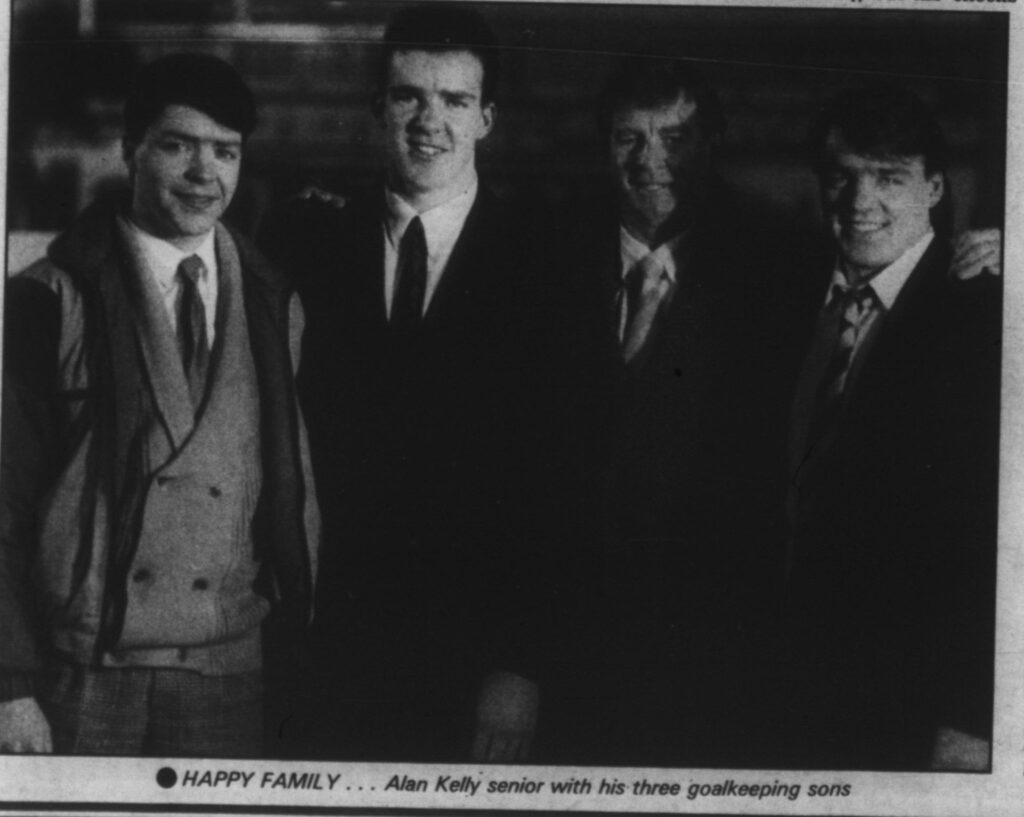
In the Kelly household, goalkeeping was most definitely in the blood, with all three of Alan’s sons – David, Gary and Alan Junior – going on to pull on the gloves at either professional or semi-professional level. Incidentally, in one of the very first matches I saw live, Gary Kelly played in goal for Newcastle United at Boothferry Park, the former home of Hull City. Almost forty years on, details from that game remain stuck in my head, mainly because lining up in goal for the home side was a keeper with a very similar name: local lad Gavin Kelly, no relation, who went on to play for Bristol Rovers after leaving East Yorkshire. Both Kellys pulled off terrific saves that day.
It was while watching his dad put Southall through his paces, that Alan Junior – still in his mid-teens in 1985/86, and midway through an electrician’s apprenticeship at British Leyland – came to realise that he too wished to pursue a professional career between the posts.
In the foreword of my book, The Glovesmen of Goodison: A History of Everton’s Goalkeepers, Kelly wrote: ‘Neville was the best goalkeeper in the world at that time and I would sometimes travel in with Dad to Everton’s old training ground, Bellefield. It was during those trips that I got to observe Neville and the team in training. Watching Neville was my ‘lightbulb moment’. I was literally in the presence of greatness, standing just yards away from the action. Graeme Sharp, Adrian ‘Inchy’ Heath and Kevin Sheedy, all lethal finishers in their own right, were left with their heads in their hands as Neville somehow saved the impossible. Truly amazing goalkeeping!’
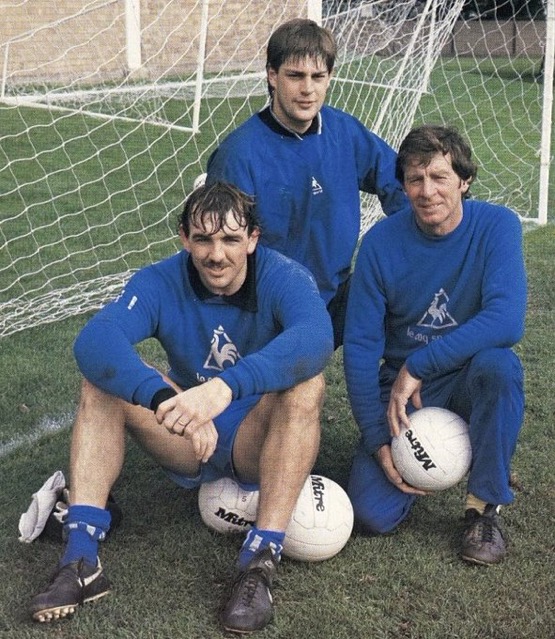
He continued, ‘Dad was a hard taskmaster. He believed that you trained heavy and played light, which Neville really liked and totally bought into. I remember being at Bellefield, completely fixated on Neville, thinking “Wow! This fella’s absolutely amazing!” I was totally captivated. All these years later I can still visualise the A-frame of the goal, the square netting and Neville effortlessly keeping out rockets from Everton’s forwards.’
It was during his father’s time at Everton that the opportunity to represent the Blues came about for Alan Junior. He explained: ‘It was during the 1986/87 pre-season when Dad arrived home from Everton and was sitting at the kitchen table, telling my mum that Ray Minshull, Everton’s youth development officer, had asked him if he knew of any young goalkeepers that might like to play for Everton in an international youth tournament in Italy next week. My mum immediately knew it was an opportunity not to be missed for me and she told my dad I was going to Italy…or he could make his own pork chops from that point on! My mum should have been an agent! My first game was against AC Milan live on TV! We drew 0-0 and I was busy in the game. To be awarded the player of the match award while wearing the famous Everton goalkeeper shirt with NEC blazed across its front was incredible. If Carlsberg did debuts!’
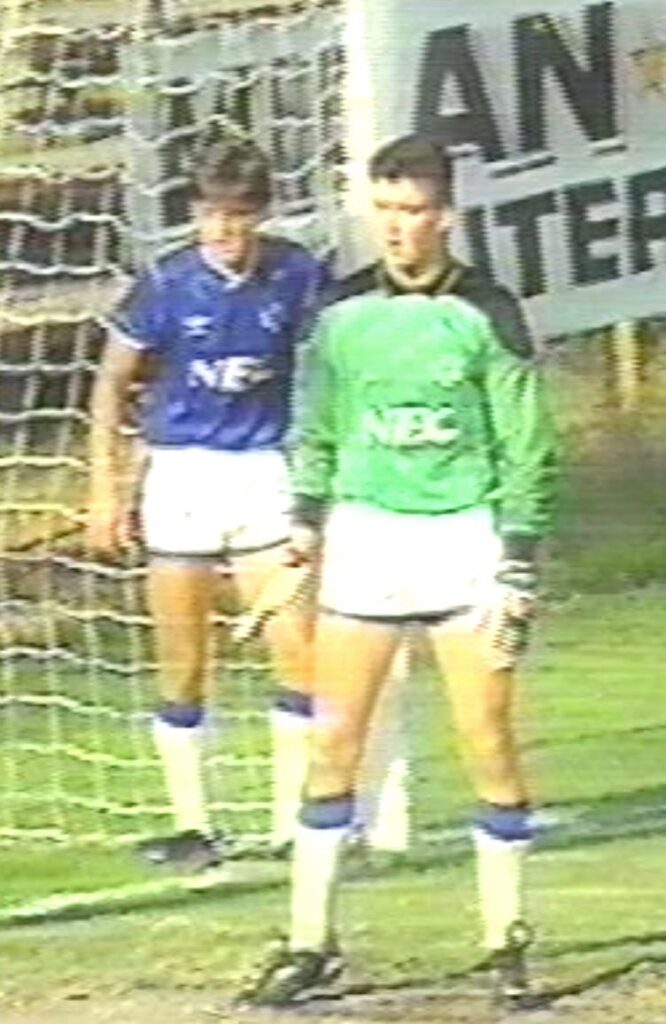
‘To represent Everton Football Club at a time when they were, literally, the best team in English and European football was an amazing experience. I played all three games in Italy, but, in true Toffees style, we were knocked out at the group stage, going down 1-0 to Sampdoria on a cinder covered pitch. I remember being in the dressing room after that game when Everton’s youth supremo, Ray Minshull, walked in and simply said, ‘That’s not good enough for Everton. When you wear the Everton shirt, you represent the club, the fans and the spirit of Everton Football Club.’ Ray then turned to me and said, ‘If we had got through the group stages, you would have been named goalkeeper of the tournament, without a doubt, but that’s not going to happen now.’
The Deepdale years
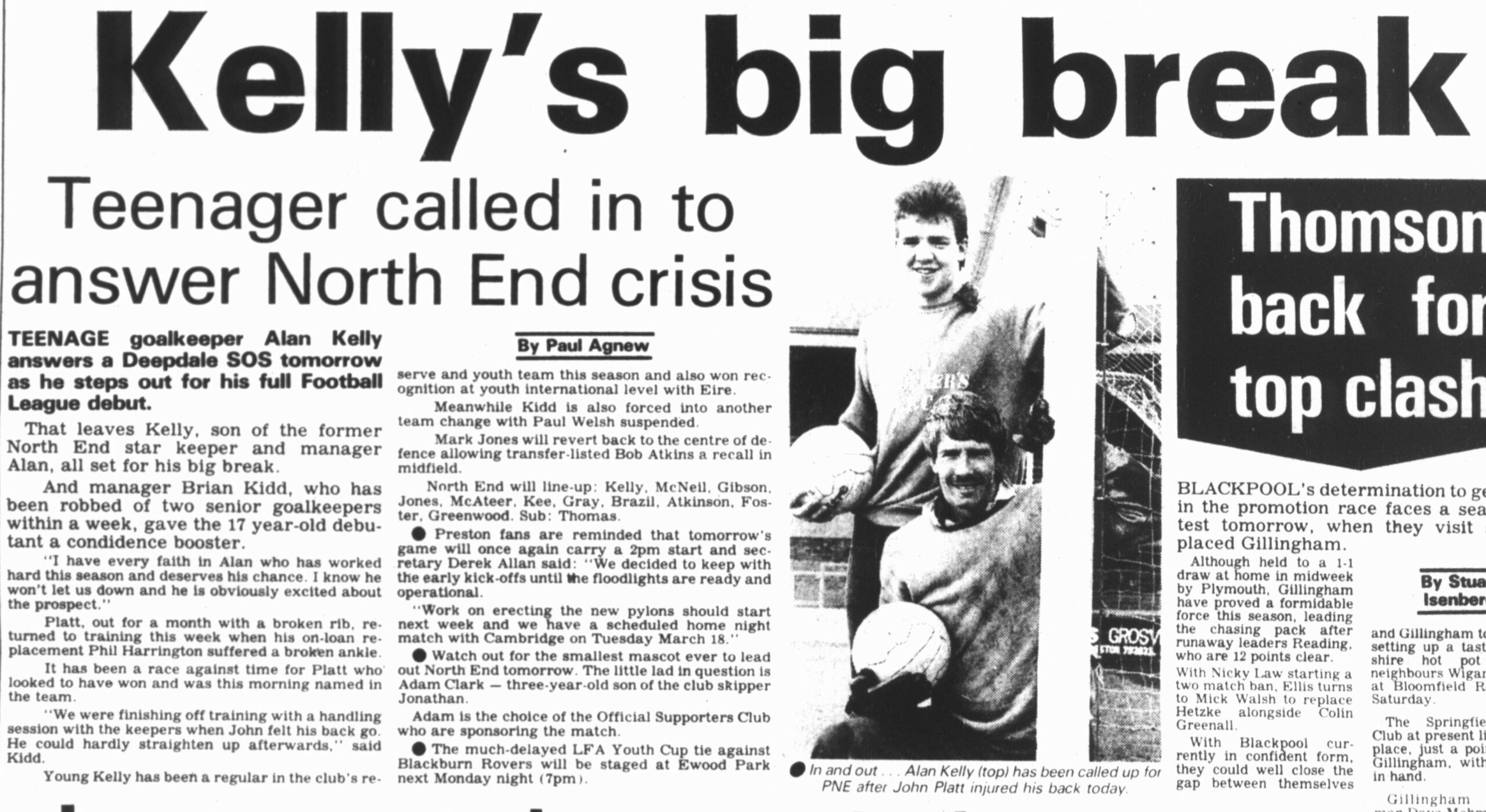
By that stage, Kelly Junior had already followed in his father’s footsteps and got himself into the Preston first team following an injury to regular keeper John Platt. He made his debut against Crewe Alexandra in March 1986 – wearing an old pair of Neville Southall’s Sondico gloves, complete with holes in the fingers – and played in the last thirteen matches of the 1985/86 campaign. His assured performances in the final two months of an extremely difficult season for the club (in which North End finished 91st out of 92 league clubs and had to apply for re-election to the Fourth Division), saw him crowned the Lilywhites’ young player of the year.
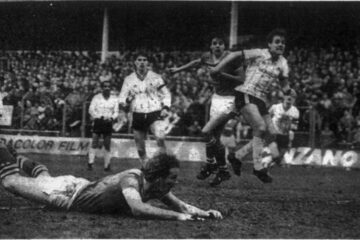
The following season, on their newly installed plastic pitch, Preston were a team transformed. Under new manager John McGrath, who brought in Sam Allardyce at centre back and the maverick veteran Frank Worthington up front, the club finished runners-up and gained promotion to the Third Division, having played what Kelly called ‘champagne football’. He told PNE Pod: The Official Preston North End Podcast, ‘It was a complete sea change. We played out from the back, I was rolling the ball out to my centre halves, having been told the previous season to ‘shell it’ as far as I could upfield. Attendances at Deepdale increased from 2,000 to 19,000 that year. And to go from the depths to success was incredible – even more so considering I was just eighteen years old.’ Early on in that campaign, the young keeper made his first penalty save in professional football – diving superbly to his right on the Deepdale plastic to keep out former Everton midfielder Andy King’s spot-kick in a 1-2 defeat to Aldershot.
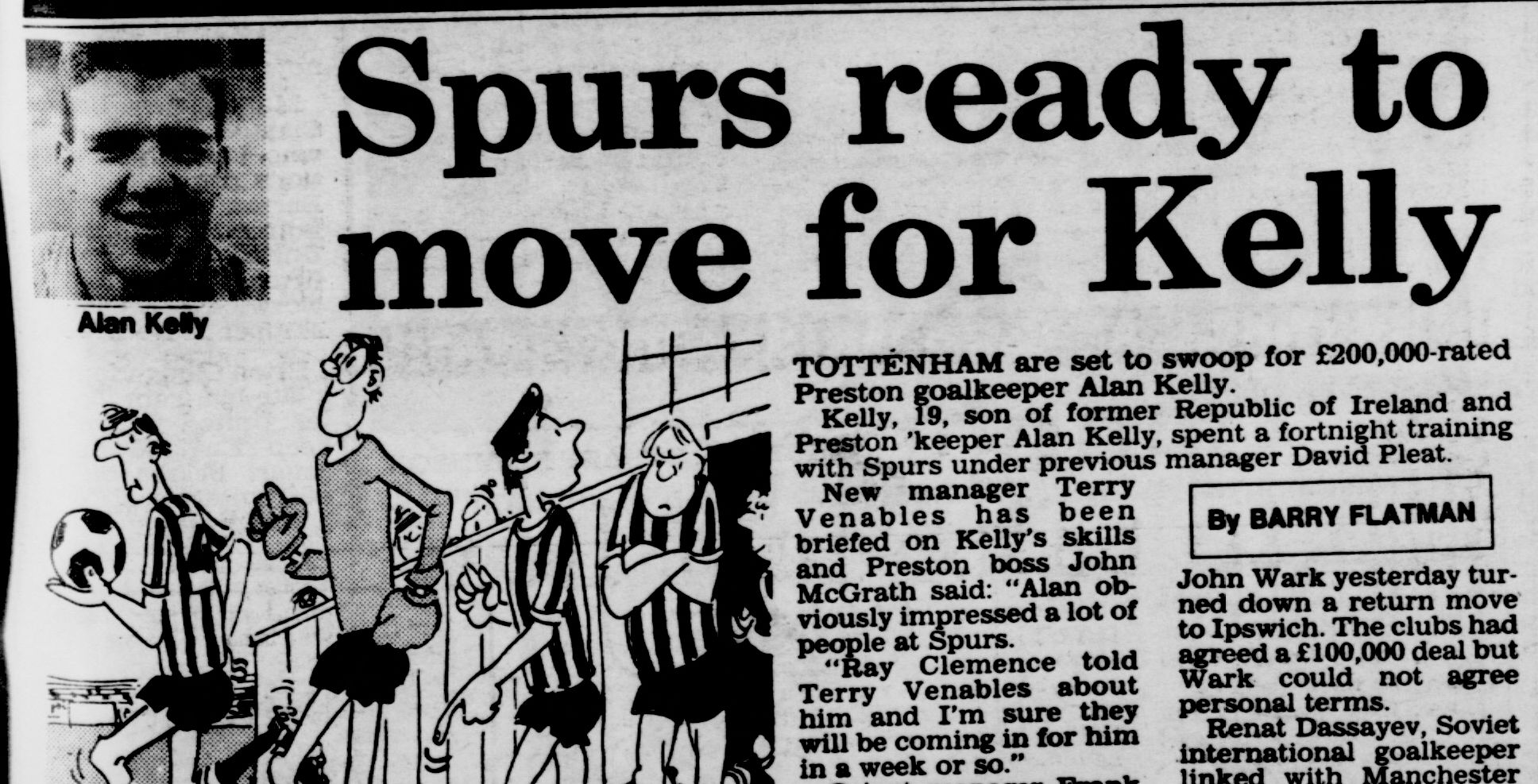
Notwithstanding, the young goalkeeper’s time at his hometown club was far from plain sailing. Less than 12 months after gaining promotion to the Third Division, he was hit by a motorbike in Preston city centre – having gone into town to buy a new pair of goalkeeper gloves and to pick up his mum, who was working as a florist nearby. Kelly was knocked unconscious; he had a broken leg and required fifty stitches, some of them in a nasty head wound. Lucky to be alive, the horrific injury ruled him out of the game for a year. Only weeks into his return, the luckless keeper collided with Nigel Jemson in a memorial match for former teammate Mick Baxter. Unbelievably, he had broken his leg for a second time and was ruled out for a further six months. Prior to suffering the injuries, Kelly’s form had been so impressive that both Liverpool and Tottenham Hotspur inquired about signing him. However, after two leg breaks in less than 12 months, it was feared that he would never play football again.
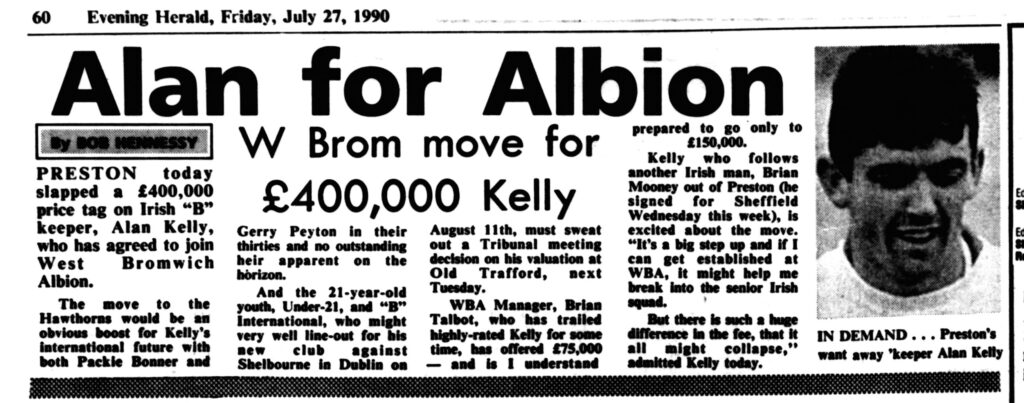
Showing a resilience and determination to bounce back from adversity – qualities synonymous with the Kelly name – the goalkeeper battled back to reclaim his place in a struggling Preston side, who were finding life away from Deepdale in the higher division extremely difficult. With no grass pitches available to the team to train on – other than a farm field covered in sheep droppings owned by the father of one of their apprentice players – the Lilywhites picked up very few points away from home during that period and finished close to the relegation zone in 1990, 1991 and 1992. Nevertheless, their young goalkeeper continued to catch the eye. In July 1990, a move to West Bromwich Albion had looked a certainty, until Preston slapped a £400,000 price tag on his head to fend off potential suitors. Six months earlier, Alan had come out on top in the battle of the brothers, with North End beating brother Gary’s Bury team 2-1 at Gigg Lane. Two months later, the Lilywhites had to rearrange their fixture with Huddersfield Town due to Kelly and teammate Brian Mooney being called up to the Republic of Ireland ‘B’ squad for their fixture against England on 27 March.
An international Blade
After a move to Neil Warnock’s Notts County failed to materialise in 1992, Kelly finally departed Preston for Sheffield United later that summer for a fee of £150,000, with the Blades aiming to bolster their goalkeeping options ahead of the inaugural Premier League campaign. Although excited about the thought of being part of Dave ‘Harry’ Bassett’s Premier League outfit, and despite knowing he needed to get off Deepdale’s unforgiving artificial surface for the good of his body – after six years of diving about on what was basically concrete covered in a thin layer of felt, it was still a huge wrench for Kelly to leave his boyhood club – particularly as first-team opportunities at Bramall Lane appeared limited at first.
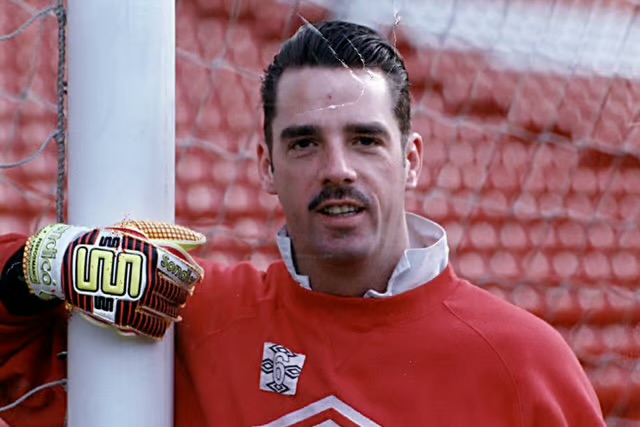
Already at the club were Simon Tracey – the previous season’s player of the year – and Mel Rees, who’d had a fabulous end to the 1991/92 campaign after coming in for the injured Tracey with eight games of the season remaining. At Goodison Park in April 1992, Rees was in outstanding form – keeping a clean sheet in a 2-0 victory for the Blades. Having performed so brilliantly, he had been tipped to join Southall in the Wales international squads for the foreseeable future. Tragically, though, the former Watford man was diagnosed with bowel cancer that summer and passed away less than 12 months later.
The 1992/93 campaign was the first season in England in which top-flight clubs could name substitute goalkeepers on the bench, in addition to two outfielders. After Tracey received his marching orders late on at Tottenham Hotspur in Sheffield United’s fifth league game, Kelly came on to make his debut. Three weeks later, he made his first start for the club, performing brilliantly in a 1-1 draw with Arsenal. From that point on, Kelly became the Blades’ first-choice keeper for the next half decade and one of the most consistent last lines of defence in the country. A game which really brought him to my attention (a 13-year-old goalkeeping obsessive at the time, who wanted to take the best bits from all the keepers I studied and incorporate them into my own game) was the ‘Steel City’ FA Cup semi-final clash at Wembley in April 1993. Despite being on the losing side, Kelly was in majestic form that day – making a series of fine saves from David Hirst, Chris Waddle and John Harkes, amongst others, to keep his side in the contest. Poignantly, Mel Rees led the United side out that day and received a standing ovation from both sets of supporters. Just weeks later, he lost his battle with the awful disease.
Kelly told the Star, ‘When I signed for United, I didn’t know that Mel was ill. I met him on our return from a pre-season tour; he held out his hand and said, “Don’t worry, it’s not contagious!” He was an amazing man, who was sadly taken from us too soon. I will never forget walking off the Wembley pitch after that semi-final defeat to Wednesday, together with Mel. That was the only moment in my life which made me realise there were more important things in life than football.’
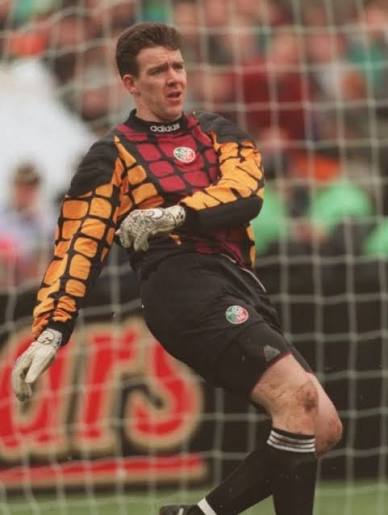
A couple of months earlier, Kelly had made his international debut against Wales at Tolka Park – the stadium in which his father had played for Drumcondra over thirty years previously. Coming on for Pat Bonner at half time, and with adrenaline having well and truly kicked in, he smashed a ball that had been played back to him by Roy Keane all the way to the opposing goalkeeper, somewhat fittingly Neville Southall, who took it down on his chest before giving Kelly a clap of acknowledgement from the other end of the pitch. The back-pass rule had only come in that season. At Goodison Park, in Everton’s final home game, the Sheffield United stopper dealt expertly with a ball played back to him. With Peter Beardsley closing Kelly down, the Eire international coolly slotted the ball through the legs of the Everton forward, who had aimed to force the goalkeeper into a distribution error through hustling and harrying him.
At the end of the 1993/94 season, Everton preserved their top-flight status in dramatic fashion – coming from two goals down against Wimbledon on a fraught final day in the Goodison sunshine. The Blues stayed up at the expense of Sheffield United, who dropped into the relegation zone after losing late on to Chelsea at Stamford Bridge. Despite being widely recognised as one of the Premier League’s finest keepers, Kelly remained loyal to the Blades following their relegation. His outstanding performances over the next couple of years, resulted in him being named in the PFA First Division Team of the Season at the end of both the 1995/96 and 1996/97 campaigns. Interestingly, his manager during that period was none other than Howard Kendall – his father’s former teammate at Preston North End and the man who brought Kelly Senior to Everton as goalkeeping coach in 1985.
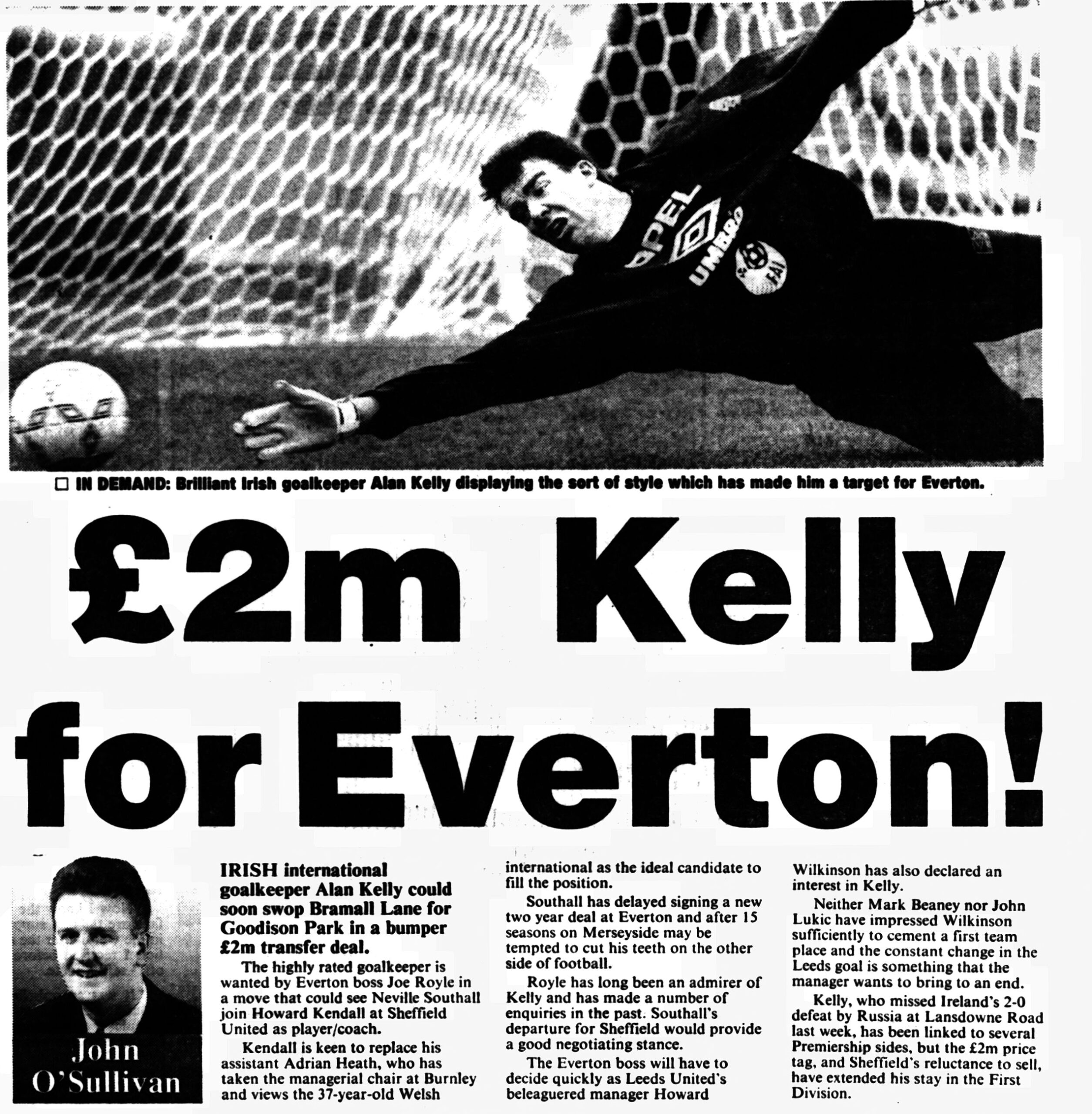
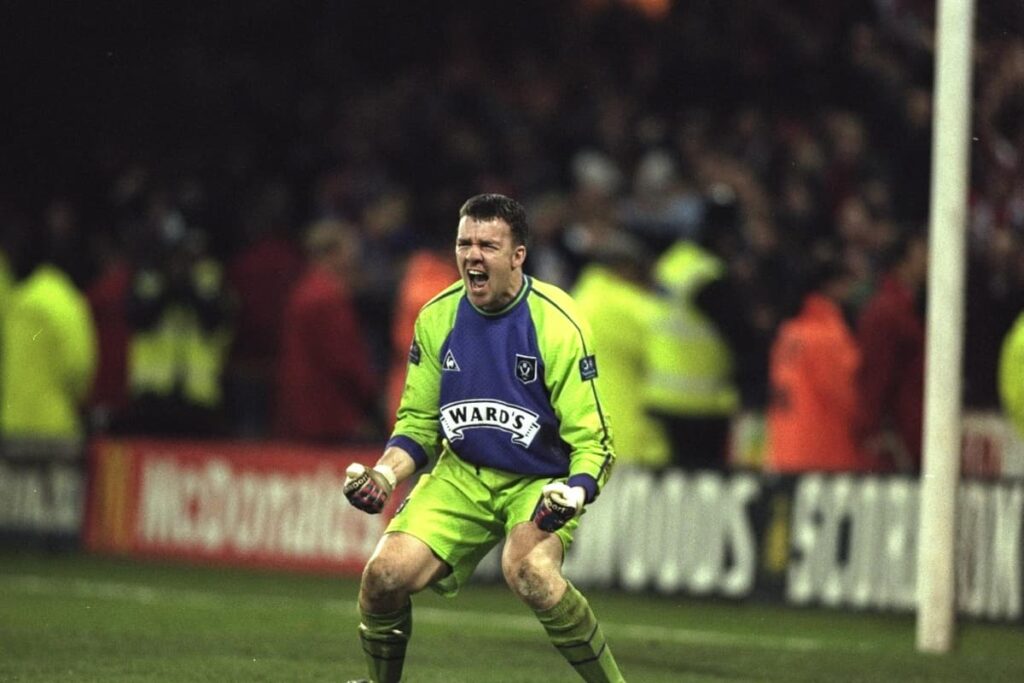
As the great Neville Southall’s magnificent playing career entered its final knockings, and the Everton man’s relationship with manager Joe Royle became increasingly strained, Kelly’s heroics in the second tier of English football resulted in his name being constantly linked with a transfer to Goodison Park. In 1996, it seemed nailed on that either he or Nigel Martyn would end up filling the sizeable void left by Southall. Unquestionably, the signing of either keeper would have saved the Blues a near-decade of heartbreak caused by the various stoppers who did come to the club during the late 90s and early 2000s. However, a move to Merseyside never materialised for Kelly, and at no point in the rest of his career did he return to the Premier League as a first-team regular. Nevertheless, there were still some very special moments for the Blades’ keeper to savour. On St Patrick’s Day in 1998, Kelly had a night to remember, saving spot kicks from Dion Dublin, Simon Haworth and David Burrows in an FA Cup quarter-final penalty shoot-out against Coventry City. Furthermore, on the international front, the following year, he was named the FAI’s international player of the year following some sterling performances between the posts for his country. It was the first time a goalkeeper had ever won the award. Somewhat ironically, then, considering the form he was in and the year he was having, Kelly left Sheffield United in July 1999.
Career end
It was during Adrian Heath’s very brief time in charge at Bramall Lane, that Kelly’s time in South Yorkshire came to an end. Speaking to A United View about how his move to Blackburn Rovers came about, the goalkeeper explained: ‘Aberdeen made a bid of £750,000 and it was accepted. I didn’t want to leave and I had a year left on my contract, but I was told I wasn’t going to get another. I spoke to the Aberdeen chairman and told him I wouldn’t be moving to Scotland. Then Blackburn made a bid, which was also accepted, and it was made very clear to me that I had no future at Sheffield United. I think Adrian Heath just wanted it all done and dusted and I was the least of his worries because Trace [Simon Tracey] was staying. I can understand the situation because Simon was a top class goalkeeper, but it was a shame the way I was told because I was given very little time to say my goodbyes. However, I did get to play in the pre-season friendly against Chelsea, and it was great to play one last time in front of the Sheffield United faithful.’
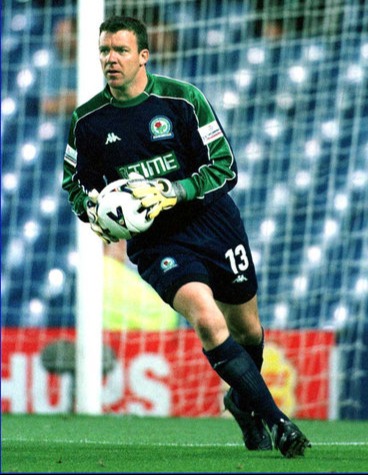
In almost five years at Ewood Park, Kelly made just fifty appearances for the club – with the goalkeeper citing the arrival of the outstanding Brad Friedel as the major reason for his lack of game time. Injuries also started to have an impact, though, and, in 2004, following a freak training-ground injury, Kelly, who took in brief loan spells at both Birmingham City and Stockport County while at Blackburn, called time on his playing career. He told A United View: ‘Injury ended my career when I was teaching the young goalkeepers how to turn and react to save a shot. The young lad hit the ball a bit early, and you can call it instinct, I just reacted. I threw out a hand and made the save, but my fingers dug into the turf and my body weight landed on top of them! My ring finger on my right hand was a mess and was hanging down the wrong side of my hand. I had surgery, but I couldn’t get the movement back and I nicknamed it the claw!’
Kelly retired from playing at the age of thirty-five. His final appearance for the Republic of Ireland came against Croatia in August 2001, at Lansdowne Road, Dublin, though he was part of their World Cup squad in South Korea and Japan the following year (as, indeed, he had been in 1994, when part of Jack Charlton’s World Cup squad in the USA – where he acted as back-up to Celtic veteran Pat Bonner). In total, the goalkeeper made thirty-four appearances for his country and enjoyed a truly wonderful playing career that took in spells in all four divisions of the Football League.
Coach Kelly
His coaching CV would read just as impressively. After a spell coaching keepers on soccer camps in various parts of the United States (something his father had also done after leaving Everton in 1986), Kelly commenced an impressive fifteen-year coaching stint with the Republic of Ireland national side. Between 2006 and 2011, he worked under managers Steve Staunton, Giovanni Trapattoni, Martin O’Neill, Mick McCarthy and Stephen Kenny – putting the likes of Shay Given, Nick Colgan, David Forde, Keiren Westwood and Darren Randolph through their paces while they were away on international duty.
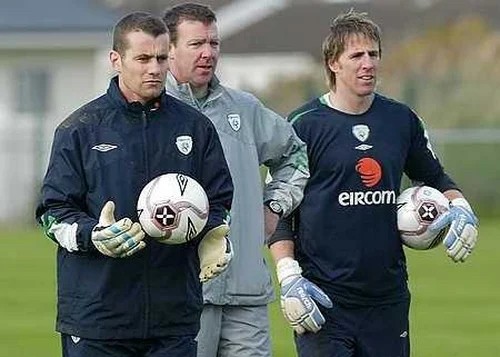
On the domestic front, in 2011, he became the first-team goalkeeping coach at Deepdale, where he initially worked under ex-Blue David Unsworth – who had taken on the manager’s job following the sacking of Phil Brown. It was a role that Kelly would hold for six years. One of the many keepers he worked with during that period was Jordan Pickford, who Kelly knew was destined for great things after seeing him play as a raw 20-year-old on loan at Carlisle United, despite Pickford conceding six goals against Preston North End that day. Kelly explained: ‘After the game, I walked over to my manager Simon Grayson and said, “That’s the one for me. That’s who we need going forward.” Simon looked at me as though I was daft, as Jordan had just let six in but I told him, “That’s definitely the one we want.”
‘After a year on loan at Bradford City, Jordan came to us on loan about a week before the start of the 2015/16 season. Straight away, he was fantastic. You talk to any Preston North End fan from that era and they will tell you that they would struggle to think of a better goalkeeper. At one point he kept seven clean sheets on the bounce. We went to Burnley, who were flying at the time, and won 2-0 and he made two outstanding saves in that game. He was an unbelievable shot stopper; he was coming for crosses, he was totally dominating his area and his distribution was at a level that nobody had ever seen before. Karl Robinson, who was managing MK Dons, couldn’t believe it when Jordan kept coming for crosses against his team. Their plan had been to isolate our young keeper and put him under pressure, but Jordan caught twelve and punched three of the total crosses in that game and I remember Karl turning round and saying to me, “Who gave me that dud information about your keeper?!” Jordan also made his England U21s debut that season against the USA at Deepdale. Undoubtedly, he saw his time at Preston as his audition for the Premier League and not long after returning to Sunderland forced his way into the first team. He hasn’t looked back since. I knew even back then that he would end up playing for England.’
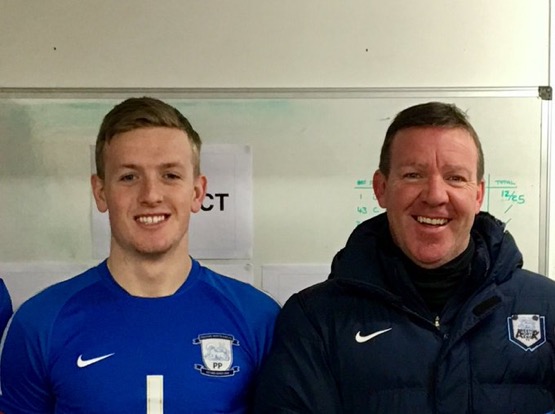
The pair would be reunited two seasons later – when Unsworth, acting as caretaker manager at Goodison Park – brought Kelly to the club following the sacking of Ronald Koeman and his backroom staff, just five months into Pickford’s Everton career. For fifteen matches towards the end of 2017, Kelly worked with the first-team keepers before being replaced by Martyn Margetson, who new manager Sam Allardyce brought in at the turn of the year.
Kelly recalled some of Pickford’s performances during that period: ‘Jordan was on fire. Up at St James’ Park, he made a series of brilliant saves in a 1-0 win over Newcastle, as he did at Goodison in the 0-0 draw with Chelsea two days before Christmas. In my last game of that particular spell, at the Hawthorns on Boxing Day, he somehow managed to switch hands mid-air and turn a wickedly dipping shot around the far post in another goalless draw. It was great to be working with him again, eighteen months or so after last doing so at Preston. I also really enjoyed working with Joel Robles and Maarten Stekelenburg, the latter of whom went on to star for the Netherlands in Euro 2020. They were both great professionals and fantastic goalkeepers to work with on the training ground.’
Between April 2018 and November 2019, Kelly worked with the under-23 goalkeepers at Everton and is very proud of the work he carried out in his role away from the first-team squad. He told me: ‘It was a really enjoyable time, and I felt as though I was giving a lot back – passing on my goalkeeping experience of playing professional and international football for twenty years and coaching at the highest level for ten years, to goalkeepers at the start of their careers. During that period, we handed the highly rated Joe Hilton his debut in the under-23s and also had the likes of Chris Renshaw, Nicholas Hansen and Mateusz Hewelt in and around that squad. Joao Virginia joined us from Arsenal at the start of the 2018/19 season too – a season in which we won the Premier League Two title and the Premier League Cup. It was a great group to be involved with. And though Hilton, Renshaw, Hansen and Hewelt had to move away from Everton to further their careers and continue their goalkeeping development – either in league football or slightly further down the pyramid, they can be very proud of their achievements at the club.’
It was during that period that Kelly also worked with Kirstie Levell, Everton Ladies’ first-team keeper at the time, whose bravery astounded the goalkeeping coach during their session at Finch Farm, Speaking on the Everton Heritage Show, Kelly recalled, ‘The bravery was incredible. When you asked her to go into the boots, she was the first in and last out. As a goalkeeper, when the decision’s made, there’s not a second thought. It’s bang: the ball – that’s all I see and that’s all I am going to get. When we had Kirstie in that week, we filmed everything, went back and analysed it all. Her standard of performance was right up there, which was absolutely brilliant to see.’
Following the sacking of Marco Silva in late 2019, Duncan Ferguson was put in temporary charge and immediately brought Kelly back into the first-team coaching frame. Over the next five years, a traumatic and tumultuous period in the club’s history, Kelly worked under five different managers: Ferguson, Carlo Ancelloti, Rafa Benitez, Frank Lampard and Sean Dyche. He would prove to be invaluable to Jordan Pickford – helping the ex-Sunderland man to navigate some difficult waters in the early months of their reunion and then helping to push his game on to new levels, levels which would see the Everton keeper pull off innumerable match-winning saves and produce countless top-drawer performances in the relegation dogfights that dominated Goodison Park’s final years as the home of the men’s first team.
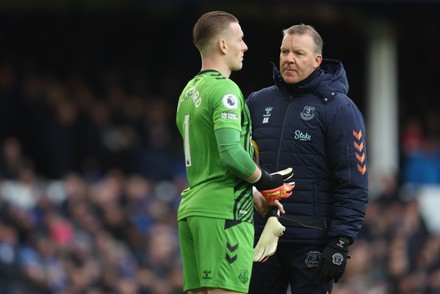
When asked about Pickford’s mindset before big games, Kelly stated: ‘He is really relaxed, really chilled. Jordan knows that all the preparation has been done, which obviously results in you feeling settled, calm and ready to perform. Forewarned is forearmed, which brings a clarity to what is required at any moment in the game. As we all saw late on in the Bournemouth game [when Pickford made a flying save to his left in injury time to preserve Everton’s top-flight status], he is ready in the moment to do whatever needs to be done.’ It would be difficult not to come to the conclusion that the calm and composed Kelly has been a massively positive influence on that front.
Notwithstanding, in the 2024 close season, Alan Kelly’s time at Goodison Park was brought to an end, after seven hugely influential years on Merseyside. After undergoing a knee-replacement operation at the start of the 2023/24 season, and being replaced by Billy Mercer – his one-time understudy at Bramall Lane in the mid-90s – as first-team goalkeeping coach, Kelly returned to coaching duties at the beginning of January 2024, reprising his 2018 role of working with the club’s academy goalkeepers for the remainder of that campaign. During that period, he took great pride in overseeing the rapid development of another Pickford – under-18 starlet George Pickford – and the club’s highly rated under-16 stopper Dougie Lukjanciks.
In a statement released by the club following Kelly’s departure that summer, Kevin Thelwell, Director of Football, said: ‘We would like to place on record our sincere thanks and appreciation to Alan for his significant contribution to Everton. Alan is a much liked and trusted member of the Everton family and he departs with our very best wishes, safe in the knowledge that he will always be welcome back at the Club.’
Upon his departure, Kelly stated: ‘I am proud to have served Everton as a goalkeeping coach since 2017. I’ve had the pleasure of working with many talented goalkeepers from the academy to the first team and I sincerely thank them all for their attitude, hard work and trust. I loved every minute out on the training pitch with you and that bond will be there for a lifetime.’
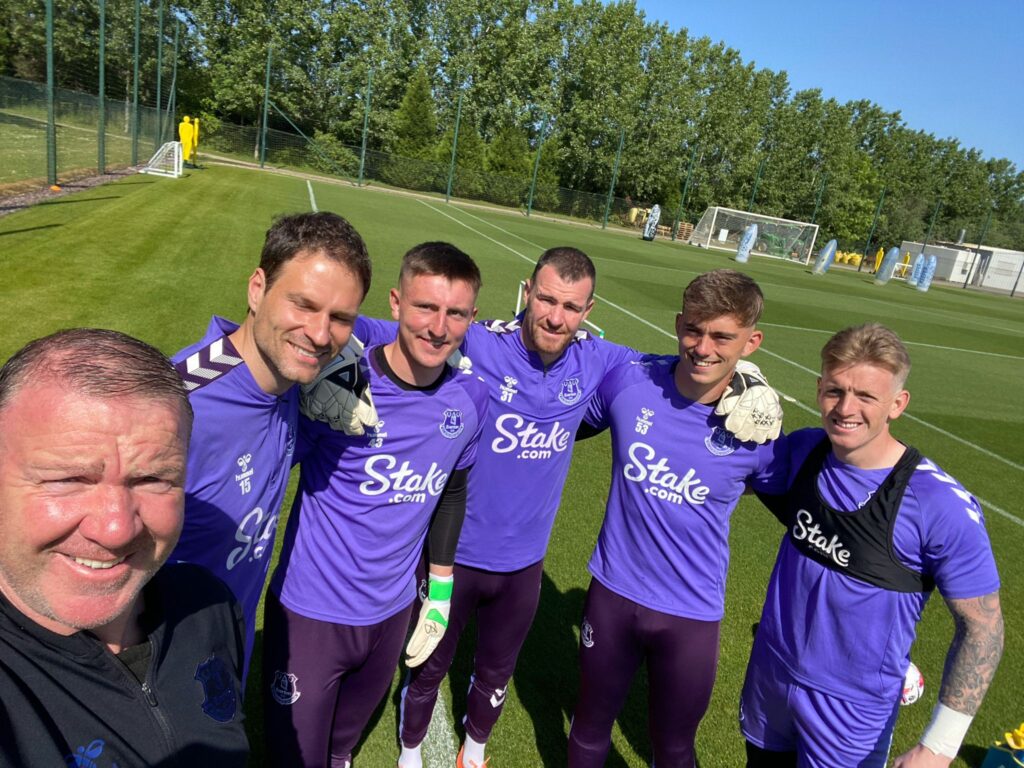
Foreword and friend
Over the last couple of years, through the writing of The Glovesmen of Goodison: A History of Everton’s Goalkeepers, I have been lucky enough to get to know Alan on a personal level. He was extremely generous with his time and the sharing of stories when being quizzed about his father’s time working with Neville Southall at Bellefield, and his own relationship with Jordan Pickford and the rest of the Everton goalkeeping department – even allowing me to set up an extra Teams meeting when our initial meeting time had elapsed and I still had a million and one things I wanted to ask him. Through those conversations, it became clearly evident that he cared greatly about the goalkeepers he coached – not just the famous names holding down the first-team positions but all the keepers who made up what he called ‘the unseen Everton goalkeeping engine room’. It was this passion and care for all members of the goalkeepers’ union that made him my number-one choice to write the book’s foreword.
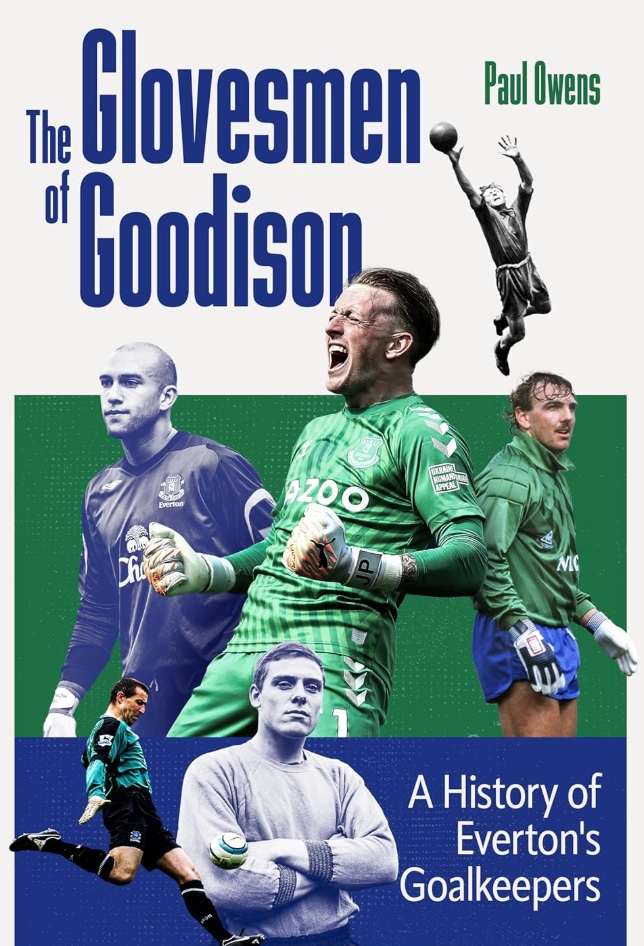
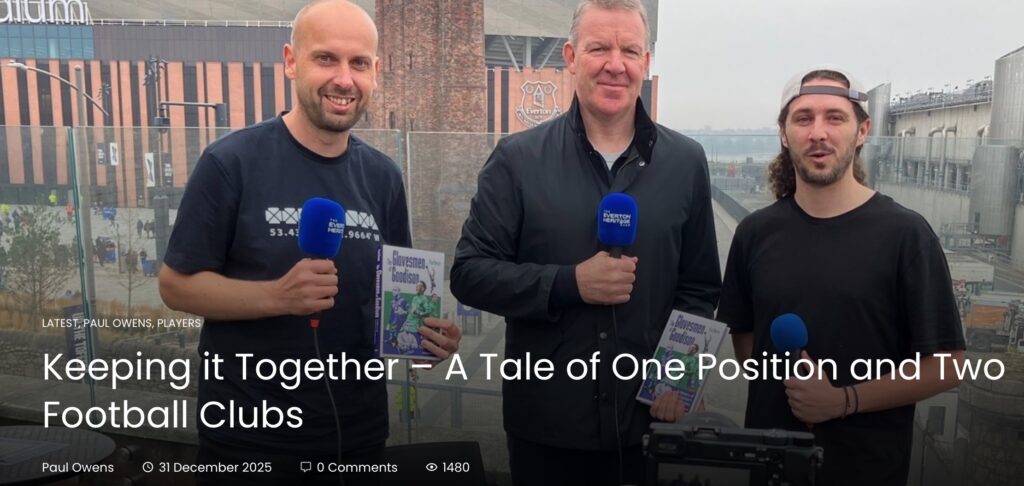
Undoubtedly, the aforementioned foreword is one of the greatest pieces of discourse I have ever read – with Kelly’s knowledge, humour and kindness jumping off the pages containing the most fabulous of anecdotes. Moreover, last October, he came on The Everton Heritage Show with me to discuss the club’s rich goalkeeping history, having made a special visit to the city that Sunday morning to do so. He has also shown real support for the various goalkeeping projects I run close to my home in East Yorkshire – a goalkeeping school for the girl keepers of Hull and East Riding, and Goalie Wars competitions for both boys and girls in the region – and shown genuine interest in my own daughter Katie’s fledgling football career, which has been massively appreciated not only by me, but also by my wife and Katie herself.
I very much doubt that any of this will surprise those who have come into contact with Alan Kelly, a man who has often thrown his weight behind far more important community-driven causes than the ones outlined above – for example, Keith McIntosh’s Drumming 4 Dementia group (for whom Kelly is an ambassador and smashed out AC/DC’s ‘Highway to Hell’ in St Andrew’s Parish Church in Leyland last year!) and Heartbeat (a Preston-based charity which played a vital role in former Everton kit man Jimmy Martin’s recovery after a heart attack) to name just two of the fabulous charities Kelly works closely with.
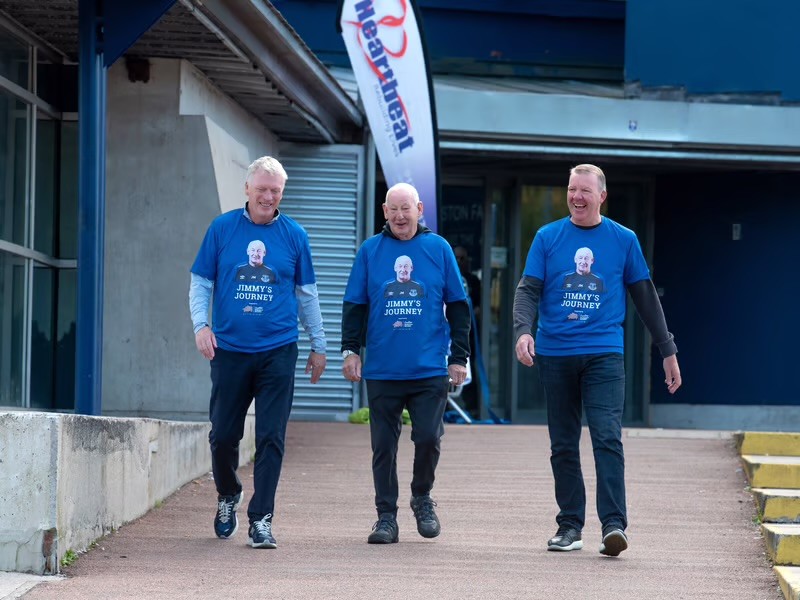
In 2026, I hope it is not too presumptuous of me to call the Sheffield United goalkeeper of the early-to-mid-90s, whom I once admired from afar, a friend.
A fabulous goalkeeper. An outstanding goalkeeping coach. And an even better person, who deserves a huge amount of recognition from Evertonians and Preston North End fans alike.
I just hope that the hybrid pitch they are in the process of putting down at Deepdale is a bit kinder to the hips and knees of Preston’s current keepers than that plastic one they had in the 80s and early 90s was to poor Al’s back then!
Acknowledgements
A massive thank you to Everton FC Heritage Society vice-chairman Mike Royden for proofreading and web layout. Thanks also to Jamie Yates and Rob Sawyer for their encouragement and support.
References and further reading and watching
Owens, P., The Glovesmen of Goodison: A History of Everton’s Goalkeepers, Pitch Publishing, (2025)
Owens, P., ‘Keeping it Together – A Tale of One Position and Two Football Clubs’, Everton FC Heritage Society website, (2026)
(Staff writer), ‘Everton Bid Farewell to Kelly’ (Everton’s official club website August 2024)
Royden, Lewis, The Everton Heritage Show; Episode four, with guests Paul Owens and Alan Kelly (2025)
Daily Express
Evening Herald (Dublin)
Lancashire Evening Post
Liverpool Echo
The Star (Sheffield)
PNE Pod: The Official Preston North End Podcast
A United View – A Sheffield United Blogspot